Uttarakhand's rich biodiversity, medicinal plants and cultural traditions took centre stage at Herbal Kumbh 2026, organised at Herbal World Himalaya–Shri Dhanvantari Dham. Bringing together the Herbal Agriculture Fair and Dhanvantari Mahotsav, the initiative aimed to connect traditional herbal knowledge with farmers, local communities and visitors while giving India's Ayurveda heritage a wider platform.
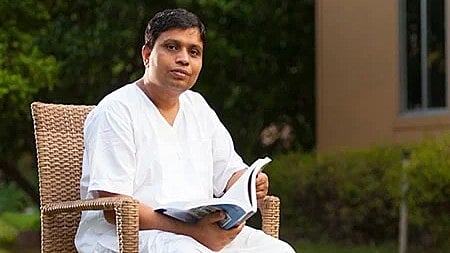
In a conversation with The Free Press Journal, Acharya Balkrishna, Managing Director of Patanjali Ayurved, Ayurveda researcher and author, spoke about the vision behind the event, the importance of preserving traditional knowledge, the role of local communities and his plans to make Herbal World accessible to students and visitors.
Bringing Uttarakhand's herbal wealth into the spotlight
For Balkrishna, the idea behind Herbal Kumbh begins with Uttarakhand's identity as a land of nature, medicinal plants and culture. He explained that Herbal World and Dhanvantari Dham were established to take this heritage beyond the region and introduce it to people across the world.
"Uttarakhand is Devbhoomi, the land of the gods. It is also a land rich in medicinal herbs, nature and culture. To take this natural and cultural heritage to the world, we have established this place as Herbal World and Dhanvantari Dham. To share its divinity and grandeur with people across the globe, we conceptualised and organised the Herbal Kumbh," he said.
The initiative also aimed to create opportunities for people whose livelihoods are connected to agriculture and herbal produce. Farmers, medicinal plant growers and women's self-help groups have been brought together to showcase their work and share their knowledge.
"The idea behind this initiative is to connect agriculture and medicinal herbs with farmers and local communities, so that they too can experience prosperity and happiness. We believe that this prosperity can, in turn, help people achieve better health," he explained.
He added that visitors are encouraged to learn about the medicinal plants found in the mountains and the traditional knowledge associated with them. "Our effort is to bring people closer to plants and plants closer to people. Through mutual cooperation and collective efforts, we want to take this forward and give India's traditional knowledge and practices a global platform," he said.

'We were a Vishwaguru because of our knowledge'
Balkrishna believes Ayurveda and yoga remain important parts of India's identity on the global stage. He stressed the need to strengthen traditional knowledge systems and create greater awareness about their contributions.
"Ayurveda is our rich and valuable tradition. When people across the world recognise India, yoga and Ayurveda are among the most important aspects they associate with the country," he said.
Reflecting on India's historical position as a knowledge centre, he added, "We were once regarded as a Vishwaguru (global knowledge leader) not because of military power or wars, but because of our knowledge and wisdom. If we aspire to regain that position, we must develop and strengthen our traditional values and knowledge systems."
The Herbal Kumbh also recognises contributors to herbal medicine from different parts of the world. The venue features statues of these personalities and miniatures representing their respective countries. "Along with Indian scholars and great personalities, we have also recognised eminent figures and teachers from across the world who contributed to herbal medicine," Balkrishna said, explaining that the aim is to honour the global pioneers of herbal medicine while taking Ayurveda forward.
Making Herbal World accessible to students and visitors
Beyond the fair, Balkrishna hopes Herbal World will become a destination where people can explore medicinal plants and learn about traditional herbal knowledge. He said the space is intended to open to the public after the event.
"In that sense, the Herbal Kumbh truly represents Herbal World. It is a world of medicinal plants and a universe of herbal knowledge. I would like to invite people from across the country to visit. After the fair, we intend to open this place to the public as well," he said.
He also wants universities and colleges to bring students to the venue for educational visits. While accommodation within the premises is limited, arrangements have been made with nearby resorts and hotels, including smaller establishments run by local people.
"We have tried to make the visit affordable. A student's overall expense, including accommodation, food, refreshments and sightseeing, can be managed for approximately Rs 2,000 to Rs 2,500. Our aim is to keep the experience accessible at the lowest possible cost," he said.
Emphasising that the experience should be open to people across economic backgrounds, he added, "Even those from lower-middle-income backgrounds should be able to come here, stay, explore and experience Herbal World at an affordable cost."
For Balkrishna, the larger ambition is to encourage people across the world to engage with India's herbal heritage and traditional knowledge. "Our larger vision is to encourage people across the world to become part of this important initiative, make life better, improve health and move towards a healthier, disease-free way of living," he concluded.
Level up your brain the fun way. Play daily games and quizzes on FPJ Smart!

