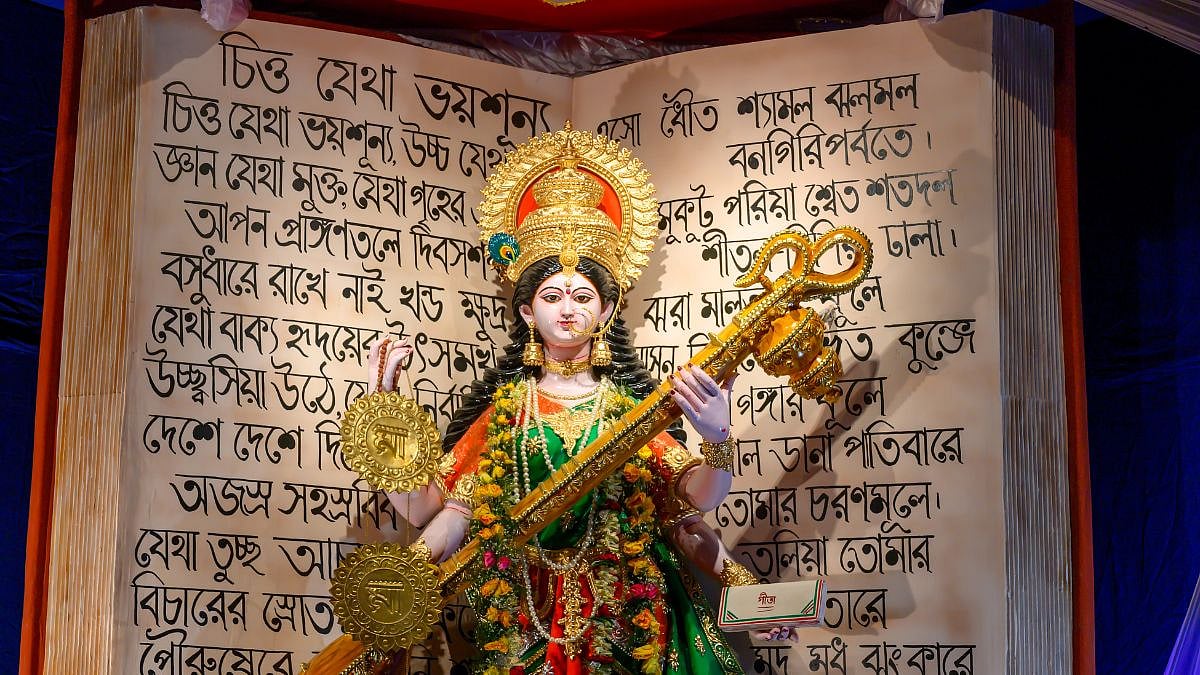
Vasant Panchami, also known as Basant Panchami and Vasanta Panchami, is dedicated to the Goddess of Knowledge, Saraswati. Vasant Panchami is one of the most vibrant festivals in India, which is celebrated on the first day of the month of Magha that usually falls on the fifth day of the month of Magha. In 2026, Vasant Panchami will be observed on January 23, marking the arrival of the spring season.
Why is Vasant Panchami is dedicated to Goddess Saraswati?
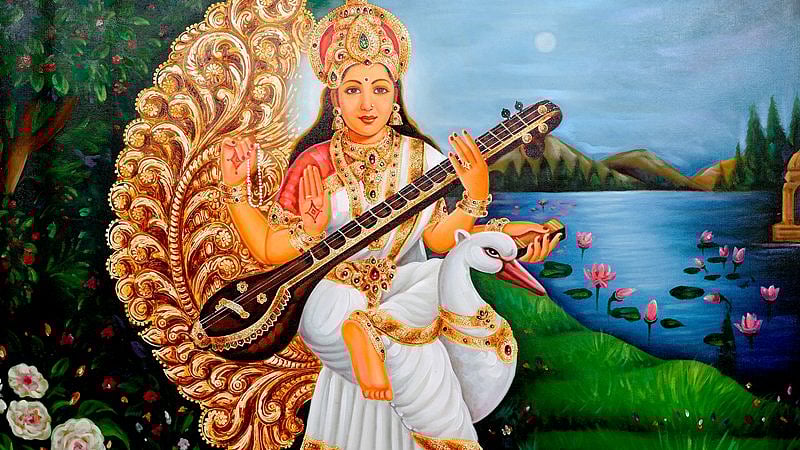
Vasant Panchami is dedicated to Goddess Saraswati because the festival marks the birth of Goddess Saraswati. In the Rigveda (one of the four Hindu Vedas), Goddess Saraswati is described as the embodiment of wisdom and knowledge. She holds the Veena (a musical instrument), a book, and a lotus flower in her hand. It is believed that when the Goddess of wisdom and music plays the veena, human beings receive the ability to speak.
Vasant Panchami 2026: Date and muhurat
According to Drik Panchang, the festival will be observed on Friday, January 23, 2026.
Vasant Panchami Muhurat - 06:36 AM to 12:21 PM
Duration - 05 Hours 45 Mins
Vasant Panchami Madhyahna Moment - 12:21 PM
Panchami Tithi Begins - 02:28 AM on Jan 23, 2026
Panchami Tithi Ends - 01:46 AM on Jan 24, 2026
Significance of Basant Panchami
The festival, which is celebrated on the fifth day of Shukla Paksha of Magha month, represents the onset of spring, the season of harvest, and reverence for Goddess Saraswati. It carries particular importance for students, artists, and academics, who seek her favour for intellect and creativity. Main reasons for observing Basant Panchami involve honouring Goddess Saraswati for knowledge, embracing the delightful climate, celebrating agricultural yields, and signaling fortunate starts for different life occasions.
Holy chants
Saraswati Ya Kundendu is the most famous Stuti dedicated to Goddess Saraswati and part of the famous Saraswati Stotram. It is recited during Saraswati Puja on the eve of Vasant Panchami.
Vasant Panchami: Celebration
Vasant Panchami is celebrated not only in India but also in various other countries, including Indonesia, Nepal, and Pakistan. Talking about celebration across India, in Rajasthan, people celebrate the auspicious festival by wearing yellow clothes, displaying yellow flowers in homes and wearing jasmine garlands. In Punjab, people wear a yellow turban or headdress and fly kites. In Maharashtra, newly married couples visit temples and seek blessings.

