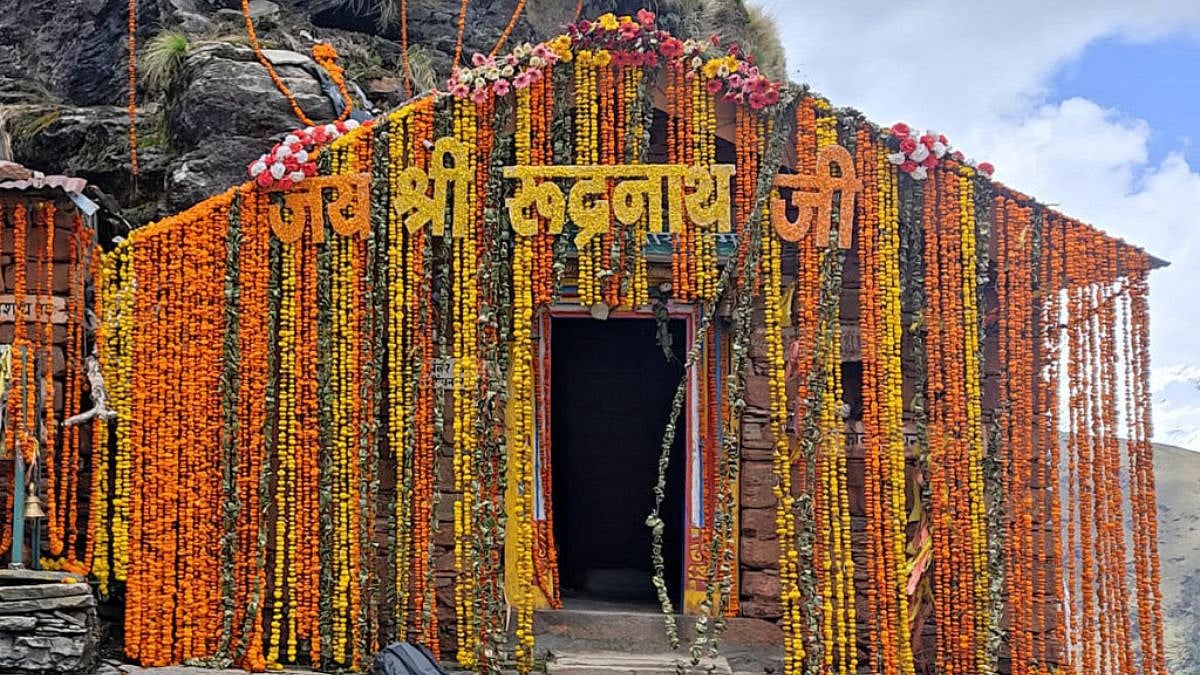
Uttarakhand’s sacred Rudranath Temple, one of the revered shrines in the Panch Kedar circuit, is set to reopen for devotees on May 18 after its annual winter closure. Located in the Chamoli district at an altitude of over 3,500 metres, the temple remains buried under heavy snowfall during winter, making it inaccessible for several months each year. Rudranath is the fourth Kedar among the Panch Kedar. The date of the gate opening was announced on Basant Panchami at the winter abode of Lord Rudranath, the Gopinath Temple.
About the Rudranath Temple
Rudranath Temple holds immense religious significance as it is dedicated to Lord Shiva and is believed to be the place where his face appeared, according to Hindu mythology. It is the fourth temple in the Panch Kedar pilgrimage route, which also includes Kedarnath, Tungnath, Madhyamaheshwar, and Kalpeshwar. The opening of Rudranath marks an important phase in the Char Dham and Himalayan pilgrimage season in Uttarakhand. The sacred idol of Lord Rudranath will start its journey from Gopeshwar (Gopinath Temple) to the main sanctum in the Himalayas on May 16, 2026, leading to the reopening ceremony on May 18.
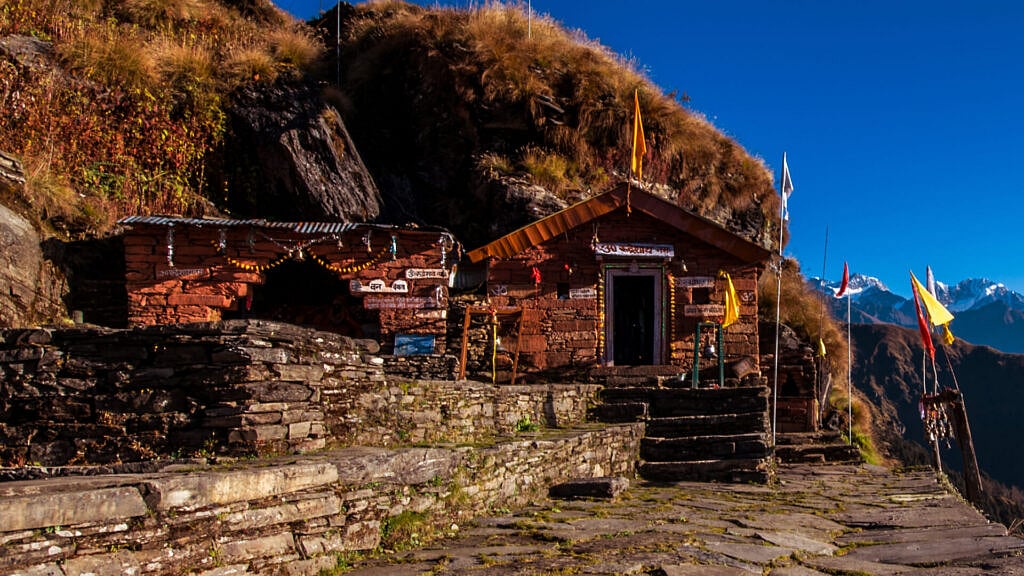
Rudranath | Char Dham Tourism
Temple opens with traditional rituals
Every year, the temple is reopened with traditional rituals and prayers performed by priests and local sevadars, accompanied by chants and religious ceremonies. Devotees from across the country undertake a challenging trek through dense forests, alpine meadows, and steep mountain trails to reach the shrine, making it one of the most spiritually rewarding journeys in the region.
Why the temple is closed in winter?
The Rudranath temple is closed during winter due to extreme snowfall and sub-zero temperatures. During that time, the deity is moved to a warmer, accessible location at the Gopinath Temple in Gopeshwar, where prayers continue through winter months. The ceremonial Doli (palanquin) procession leaves Gopeshwar on May 17, 2026, and the shrine doors open for devotees at 1:00 PM on May 18, after the deity’s idol is placed inside the temple premises. The Doli journey takes roughly two days.
Mythological link of Rudranath Temple
The Rudranath Temple is believed to be established by the Pandavas of the Hindu epic Mahabharata. According to legends, after the Pandavas had defeated and killed their cousins- the Kauravas in the Kurukshetra war- they wished to atone for the sins of committing fratricide and Brahmahatya during the war. The Pandavas left their kingdom in search of Lord Shiva to seek his blessing. First, they went to Kashi Vishwanath Temple, but Lord Shiva wanted to avoid them as he was deeply incensed by the death in the Kurukshetra war, and therefore he assumed the form of a bull and hid in the Garhwal region.
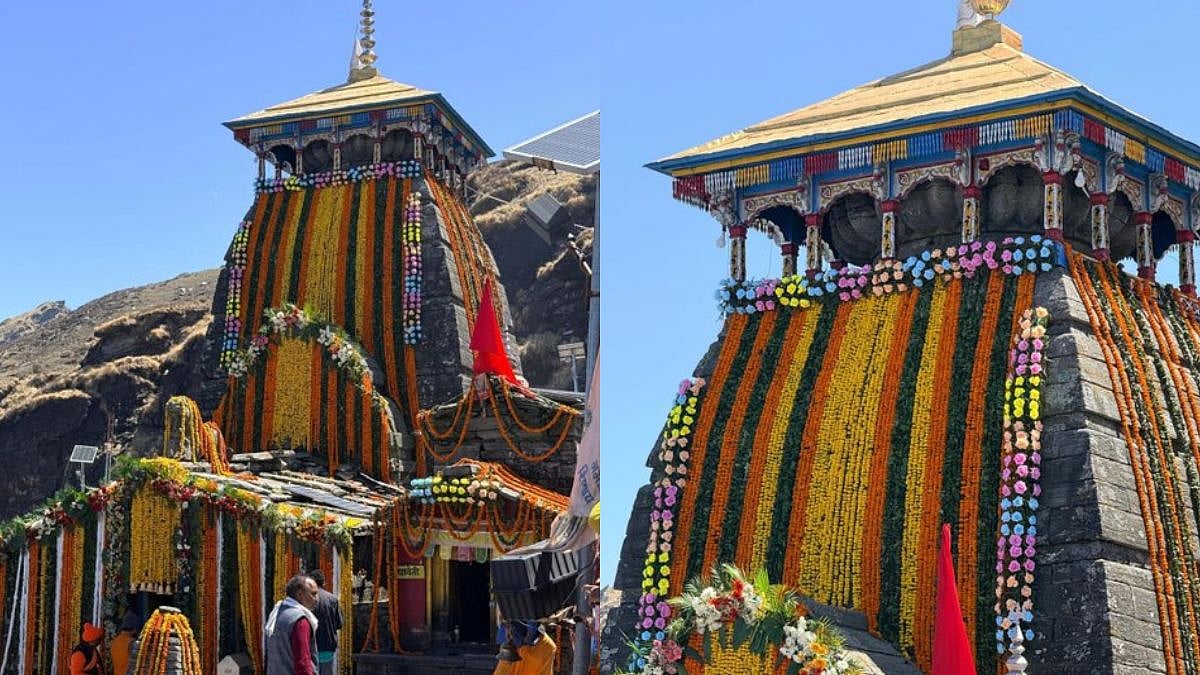
Not finding Lord Shiva in Varanasi, the Pandavas went to Garhwal, Himalayas. Bhima saw a bull grazing near Guptakashi. He immediately recognised the bull to be Lord Shiva and he caught hold of the bull by its tail. But the bull disappeared into the ground and later reappeared in parts. The hump appeared in Kedarnath, the arms appeared in Tungnath, the face appeared at Rudranath, the navel and stomach appeared in Madhyamaheshwar, and the hair appearing in Kalpeshwar. Seeing this divine event, they built five temples at the five places for venerating and worshipped Lord Shiva, which led to them being freed from their sins.

