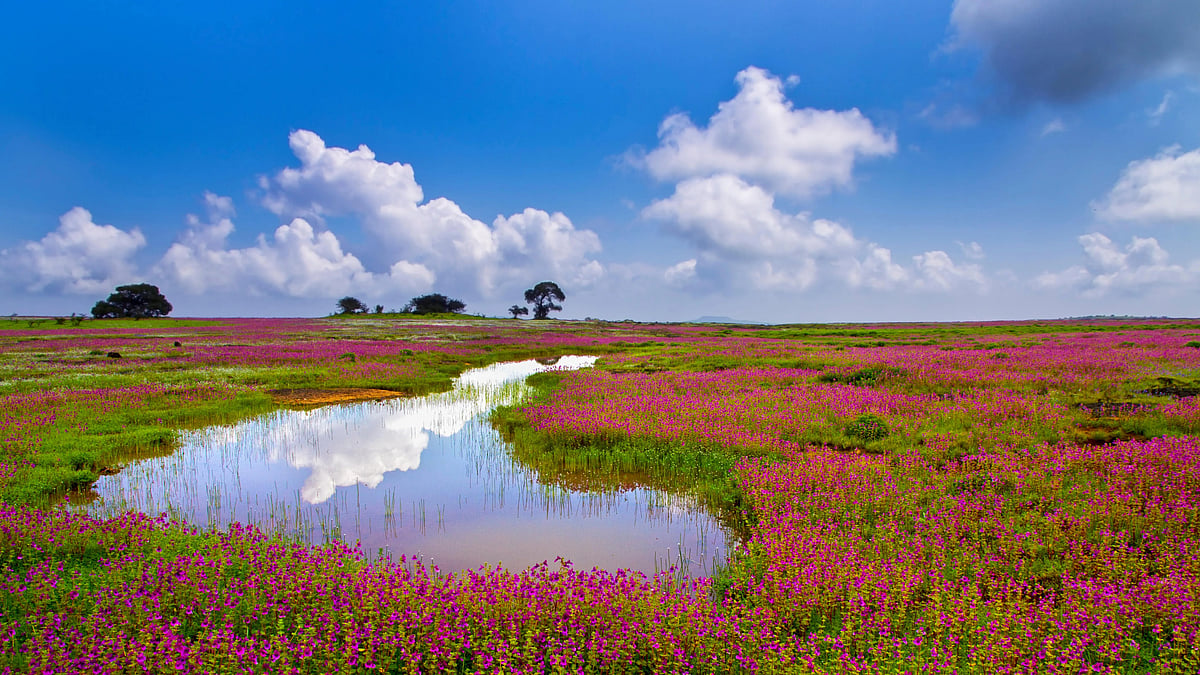
Nestled in the Satara district of Maharashtra, Kaas Plateau, often called the Valley of Flowers of Maharashtra, is one of India's most spectacular natural wonders. Recognised as a UNESCO World Natural Heritage Site in 2012 as part of the Western Ghats, the plateau is famed for its breathtaking seasonal bloom of wildflowers. Kaas Plateau Reserved Forest, also known as Kaas Pathar, is located 25 kilometres west of Satara city in Maharashtra. It falls under the Sahyadri Sub Cluster of the Western Ghats and became part of the UNESCO World Natural Heritage Site in 2012.
Situated at an altitude of around 1,200 metres above sea level, Kaas Plateau spans nearly 1,000 hectares. During the monsoon and post-monsoon months, particularly from August to October, the landscape transforms into a colourful carpet of flowers. Hundreds of species of wildflowers bloom simultaneously, creating a stunning visual spectacle that attracts nature lovers, photographers, botanists, and tourists from across the country.
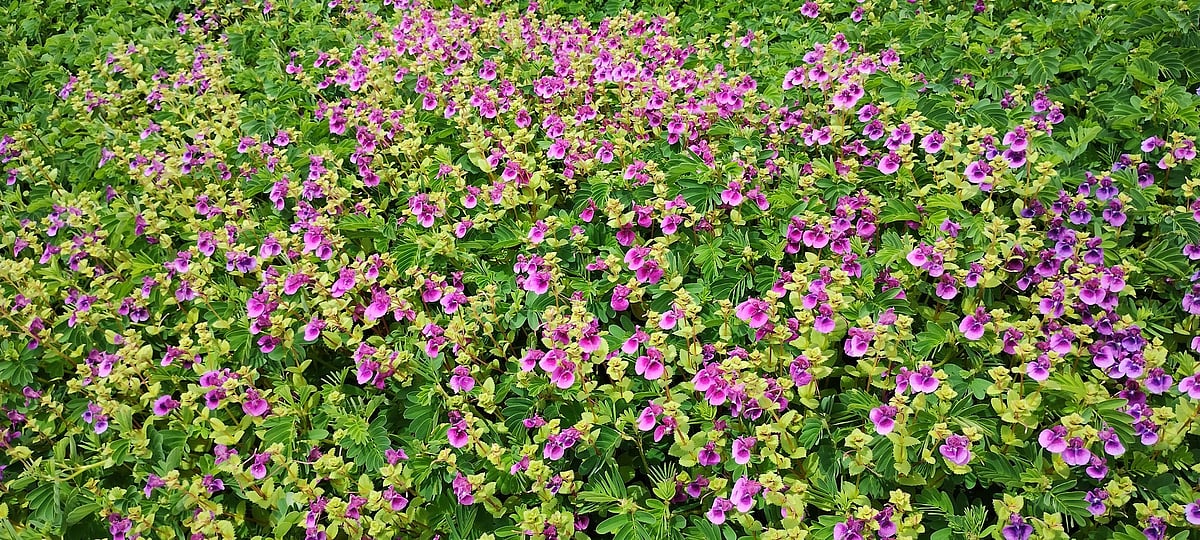
The plateau is home to more than 850 species of flowering plants, many of which are rare, endemic, or found only in the Western Ghats. Flowers such as Smithia, Utricularia, Impatiens, and Topli Karvi paint the plateau in vibrant shades of yellow, pink, purple, and white.
Apart from flowers, Kaas is also home to a variety of insects, butterflies, birds, and amphibians, making it an important ecological hotspot. The plateau's unique laterite soil and seasonal water bodies create ideal conditions for diverse plant life to thrive. Of the total flowering species, 39 are extremely rare and found nowhere else on Earth.
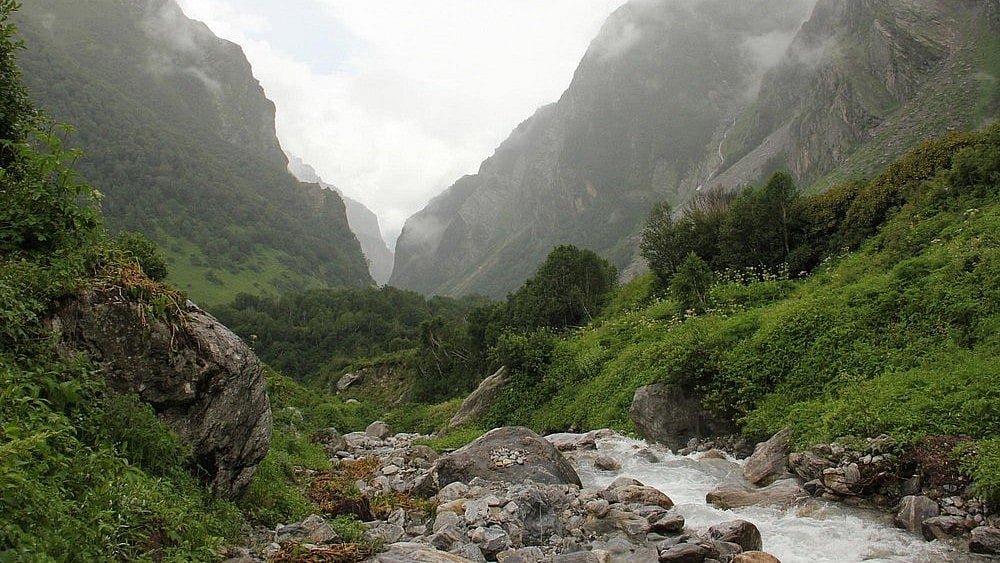
Kaas Pathar is formed from volcanic rocks in the Satara district. The high hill and grasslands transform into a valley of flowers during the monsoon season, particularly from August to October. This majestic place offers panoramic views of colourful flowers, mountains, and lush greenery during the monsoon. Nature lovers should include it in their monsoon travel plans.
Nearby sites include Kaas Lake, dense forests, and Bhambavli Vajrai Waterfall, located on the tributary of the Krishna River, the Urmodi River.
