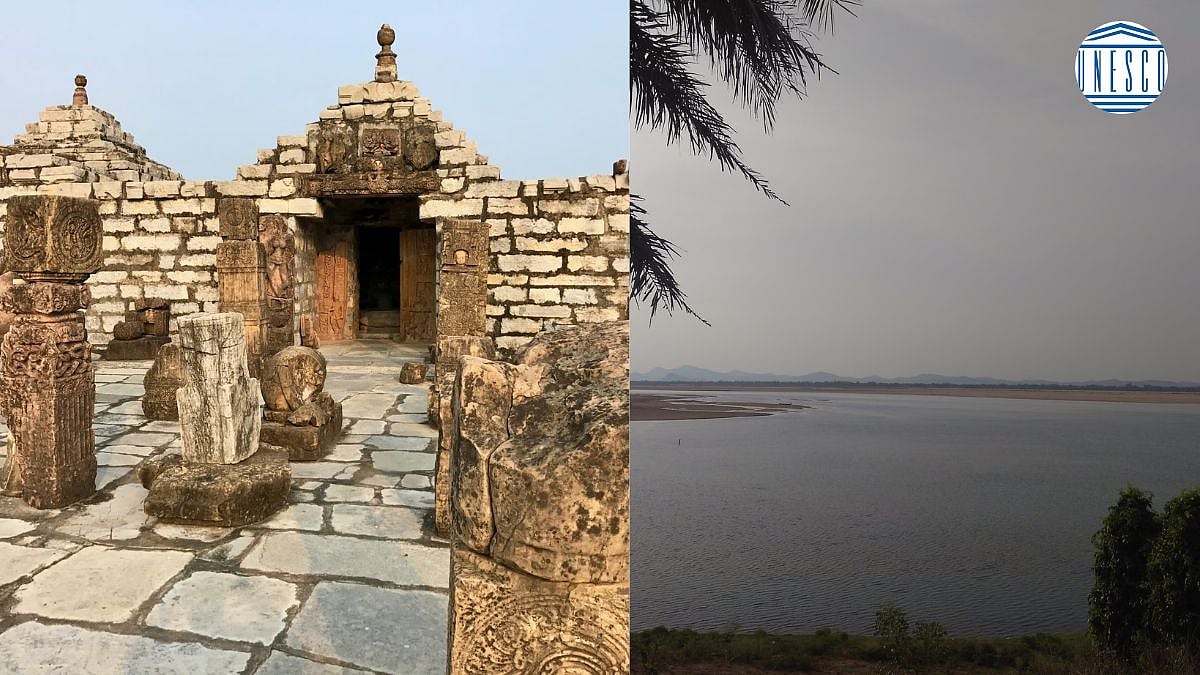
Three new sites have been added to India's Tentative List by UNESCO's World Heritage Site Centre, marking an essential step toward formal nomination for World Heritage status. Permanent Delegation of India to UNESCO has issued the press release, the newly sites included the Karst-mud-volcano Complex of Baratang and Andaman Subduction Volcanoes in Andaman & Nicobar Islands and the Sirpur Cultural and Archaeological Landscape in Chhattisgarh. But, what's so special about these place; let's figure out.
Three new sites added to India's Tentative List
Three new sites have been added to India's Tentative List by UNESCO World Heritage Centre, making a significant step towards formal nomination for World Heritage status. The announcement for the new sites to India's Tentative List was done by Permanent Delegation of India. Sharing the press release on X, India at UNESCO captioned, "The Permanent Delegation of India to UNESCO is pleased to announce that the 03 new sites from India have been added to the Tentative List of UNESCO’s World Heritage Convention. For details, please see the Press Release below."
About Sirpur
Sirpur, an important archaeological site in Chhattisgarh which is located on the banks of the Mahanadi River in Mahasamund district. Historically known as Shripura, flourished as a significant centre of religion, culture and trade. Its archaeological remains offer insights into the region's historical connections and the development of different religious traditions over the centuries.
What Makes Sirpur Special?
One of Sirpur's most remarkable features is the presence of monuments associated with multiple religious traditions within the same landscape. Its remains include temples, monasteries and other structures that reflect the region's diverse spiritual and architectural heritage.
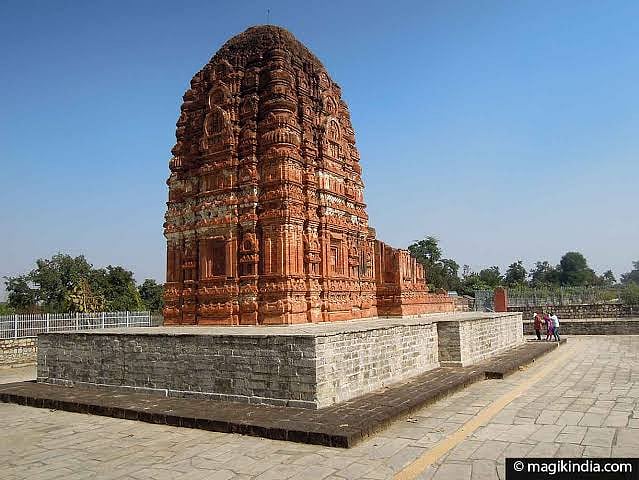
The Lakshmana Temple, which is dedicated to Lord Vishnu, is among the site's best-known monuments. Built largely of brick and dating to the 7th century CE.
Sirpur is also known for its Buddhist monastic remains, including the excavated remains of monasteries that point to the area's importance as a centre of Buddhist learning and religious activity. Jain remains further demonstrate the presence of different faiths in the ancient settlement.
Karst-mud volcano Complex of Baratang
The Karst-mud-volcano Complex of Baratang is situated in the southwestern part of Baratang Island in the Great Andaman chain within the Union Territory of the Andaman and Nicobar Islands. It is locally known as Jalki, erupting cold mixture of mud, water gases.
Andaman Subduction Volcanoes
The Andaman subduction volcanoes are located in the Andaman Sea. They sit along the inner volcanic arc of the Burma-Andaman-Java subduction complex, roughly 135–270 kilometers east-northeast of Port Blair

