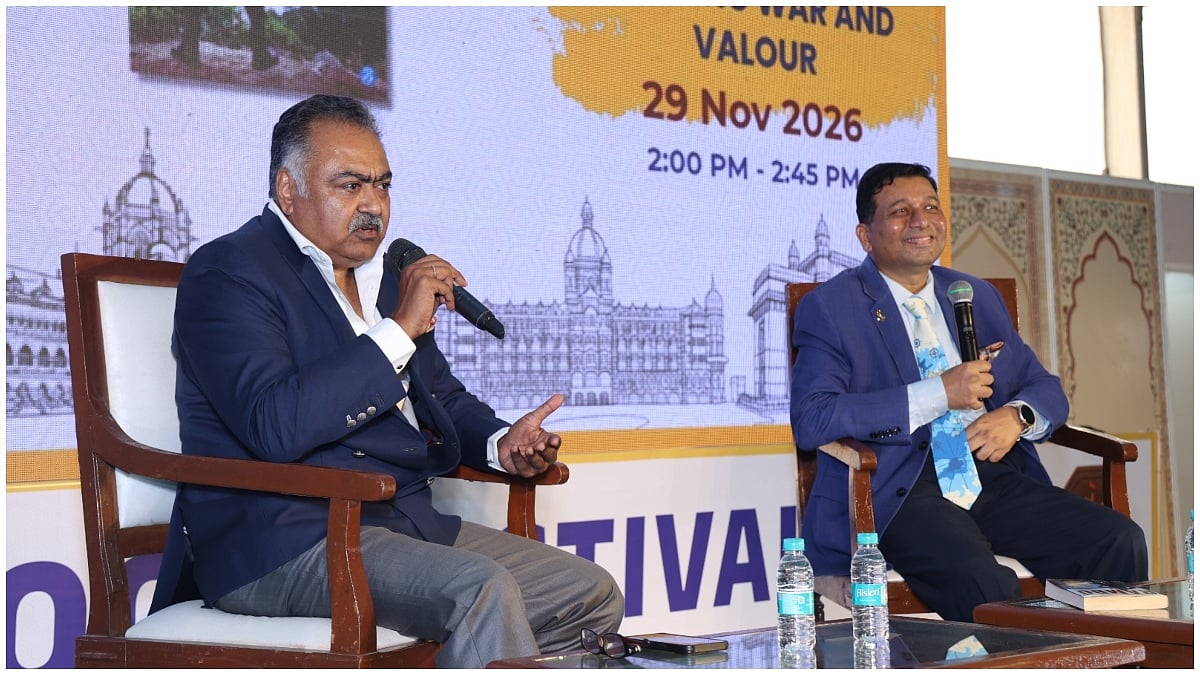
Col Ashutosh Kale grew emotional as he recalled a visit to Major Sudhir Walia’s family home in Palampur, Himachal Pradesh. A diya burned beside a photograph of the officer. Next to it lay a sealed letter. Walia’s sister told Kale that her brother had written it to their mother shortly before he died. She had never found the courage to open it.
Kale shared the memory on Sunday during ‘Writing War and Valour’, a conversation with Commodore Srikant Kesnur at the Mumbai Book Festival on the University of Mumbai’s Kalina campus. His biography of Walia takes its title from what the officer’s soldiers called him: ‘Rambo Sahib’.
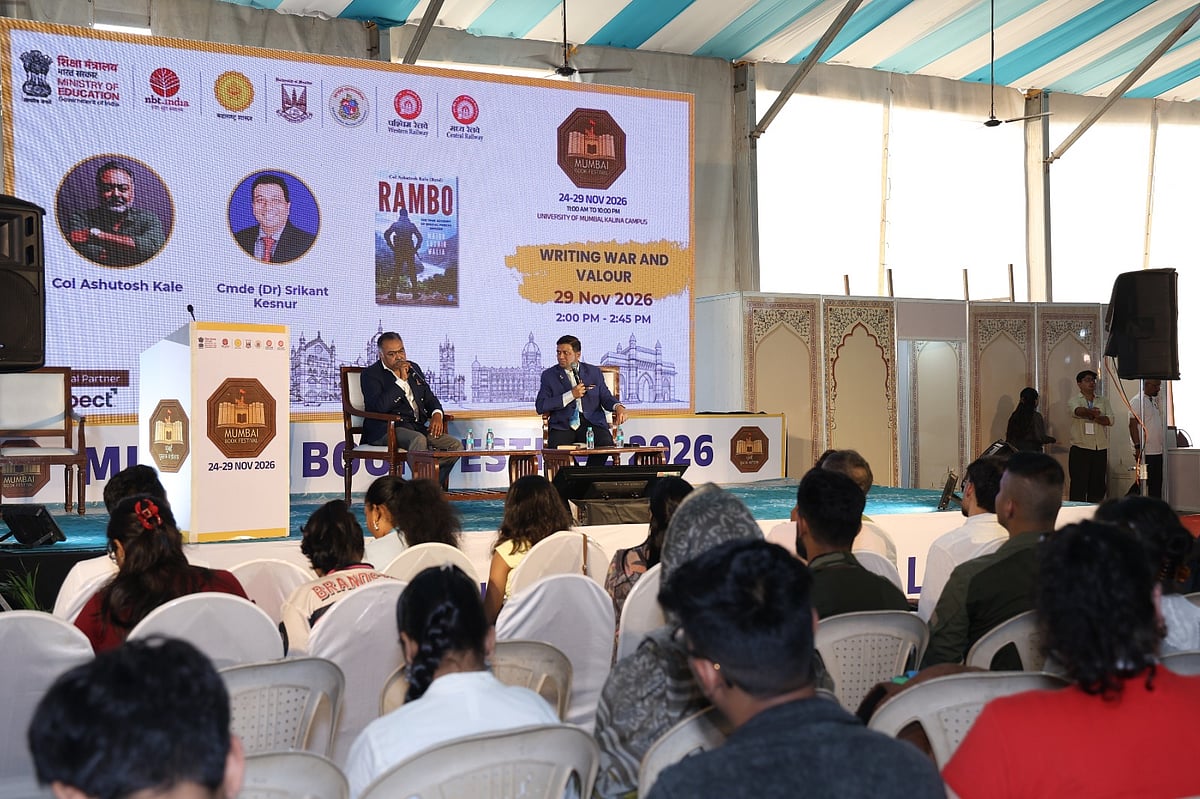
The audience listens as Col Ashutosh Kale recounts stories of love, war and courage from Major Sudhir Walia’s life at Mumbai Book Festival 2026. | Mumbai Book Festival
A surrender in a narrow cave
Recalling an operation in Kupwara, Kale said Walia pursued an armed man into a cave so narrow that there was barely room to stand. In the dark, he found the man pointing a weapon at him. Walia ordered him to put it down. When he repeated the command, the man lowered his weapon. Kale recalled the force in Walia’s voice as he described how the officer brought the man out and handed him over to his soldiers.
Walia was serving as aide-de-camp to then Army chief General V.P. Malik when the Kargil War broke out. With his unit, 9 Para (Special Forces), deployed in Kargil, he asked to be released from his duties so he could rejoin his men, Kale said. He went on to lead the operation at Zulu Top.
About a month after the war, Walia was fatally wounded during an operation in Kashmir. Kale said the officer refused to be evacuated while the operation was still underway. He died during the evacuation and was posthumously awarded the Ashok Chakra.
A message after the book came out
Days before the festival, a woman contacted Kale on Instagram and asked to speak to him about Walia. When he called her, she told him she was the friend he had written about in Rambo.
Kale said he had learnt from Walia’s friends that the officer had been close to a flight attendant, though they did not know her name. Malik had told him that a flight attendant approached him on a flight from Mumbai to Delhi after Walia’s death and said she and Walia had been close.
Kale had imagined the dialogue between them. The woman told him that the words and tone felt so familiar it was as though Walia were sitting in front of her again. She also asked how Kale knew that Walia had called her from Kargil. He said he had imagined that Walia would want to share the news with someone close to him. She told him the call had happened.
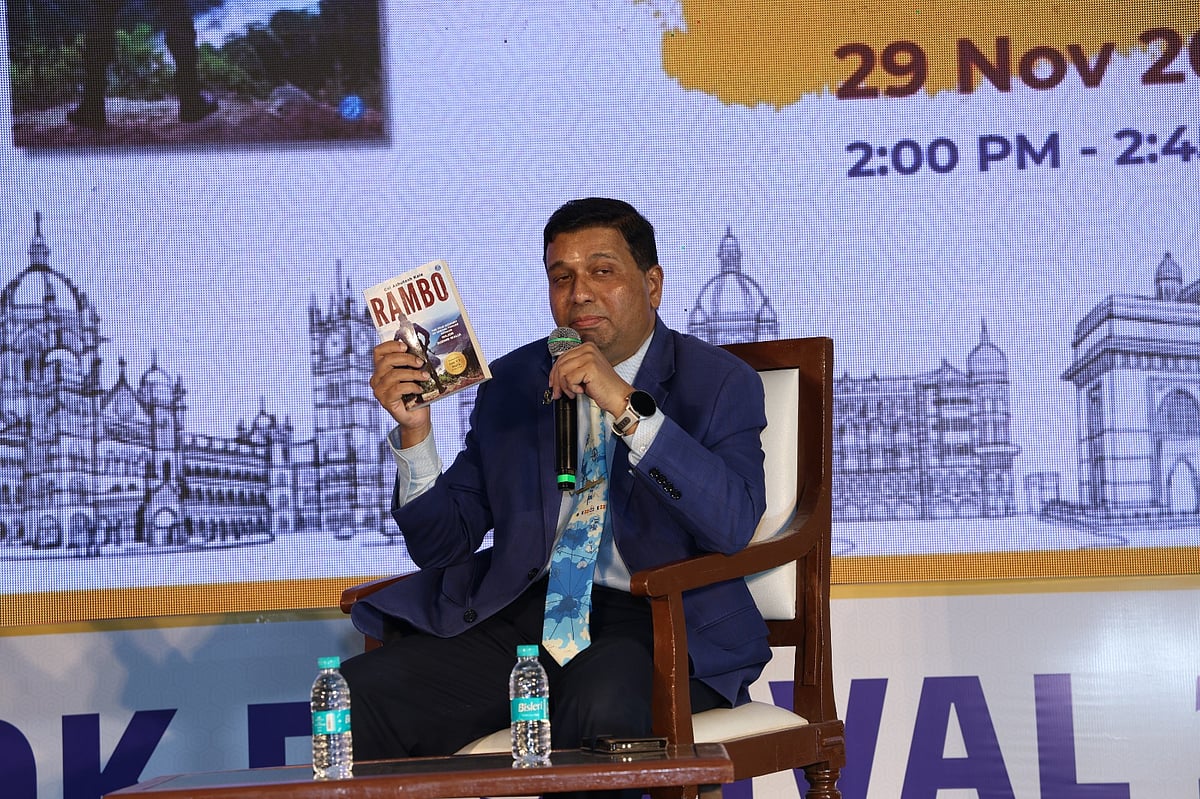
Commodore (Retd) Dr Srikant Kesnur holds a copy of Rambo, Col Ashutosh Kale’s biography of Major Sudhir Walia, at the ‘Writing War and Valour’ session he moderated at Mumbai Book Festival 2026. | Mumbai Book Festival
The battle Kale is writing about next
Kale also spoke about his next book, on the Battle of Basantar during the 1971 India-Pakistan war. He later commanded 3 Grenadiers, the battalion in which Major Hoshiar Singh served during the battle. Singh and Second Lieutenant Arun Khetarpal both received the Param Vir Chakra for their actions at Basantar.
Kale singled out an account of courage recognised across enemy lines. He said the Indian officer commanding 3 Grenadiers wrote a citation for Pakistani Lt Col Muhammad Akram Raja, who was killed in the battle and posthumously awarded Pakistan’s Nishan-e-Haider.
Level up your brain the fun way. Play daily games and quizzes on FPJ Smart!

