
August’s full Moon is bringing a little extra drama to the night sky. Known traditionally as the Sturgeon Moon, this month’s lunar spectacle will reach peak illumination on Friday, August 28, 2026. Here’s everything to know about its name, timing and the story behind this popular full Moon.
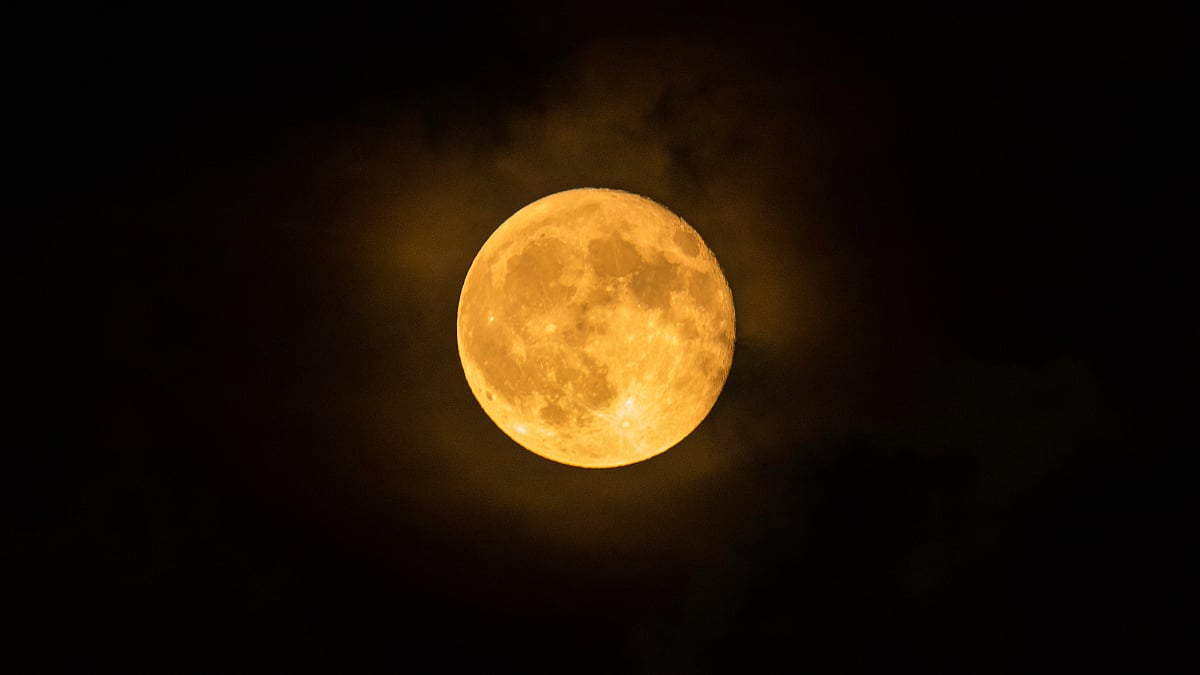
All about Sturgeon Moon 2026
The name has a fascinating connection to freshwater life. According to The Old Farmer’s Almanac, the term comes from the lake sturgeon, a large freshwater fish found in the Great Lakes and Lake Champlain.
Late summer was traditionally a particularly productive period for catching these fish. They were an important food source for Native American communities living around the region. While lake sturgeon were once plentiful, their numbers have become much lower today.
As per reports, the August full Moon will reach its brightest point at 12:18 a.m. Eastern Time on August 28.
The 2026 Sturgeon Moon also coincides with a deep partial lunar eclipse, adding another layer of interest to this month’s skywatching event. During a lunar eclipse, Earth moves between the Sun and Moon, causing Earth’s shadow to fall across the lunar surface.

Where do Full Moon names come from?
Not every Moon name has a single origin. The traditional names featured by The Old Farmer’s Almanac draw from a mixture of Native American, Colonial American and European traditions.
Interestingly, these names were historically associated with the entire lunar month, rather than referring only to the night when the Moon became full.

