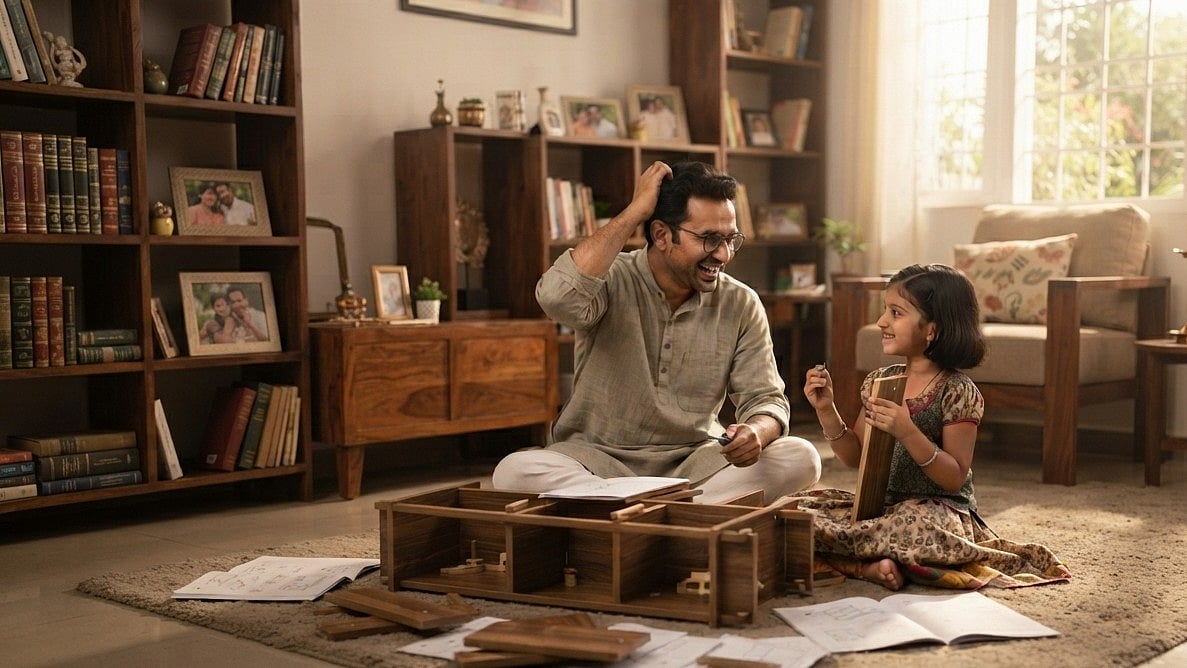
As parents, it's natural to want our children to see us at our best. We try to solve every problem, hide our worries and avoid making mistakes in front of them. But in doing so, we may unintentionally create the impression that successful people never fail.
The truth is that children don't need perfect parents. They need authentic ones. Parents who are human, just like them.
Mistakes are powerful lessons
Whether you burn dinner, make a wrong decision at work, lose your temper and apologise, or struggle to assemble a piece of furniture, these everyday moments can become valuable life lessons.
When children see you acknowledge a mistake instead of pretending it never happened, they learn that failure isn't something to fear. More importantly, they discover that mistakes are opportunities to learn, adapt and improve.
And when they see you apologise, they know that apologising is the most natural thing in a relationship after a mistake.
Bouncing back
Success is inspiring, but resilience is learned through setbacks. When your child watches you stay calm after a disappointment, look for solutions and keep trying, they're learning emotional strength without you ever giving a lecture about it.
The message is simple: it's okay to fail, as long as you don't give up.
Courage to say, ‘I was wrong’
Many parents believe admitting mistakes weakens their authority. In reality, the opposite is true. Saying, "I was wrong," "I'm sorry," or "I don't know the answer," teaches humility, honesty and accountability.

Children who grow up seeing these behaviours are more likely to own their mistakes instead of hiding them.
Raising confident, not perfect
Your child will face failures—at school, in friendships and later in life. They won't remember whether you always had the right answers. They'll remember how you handled life's imperfect moments.
By allowing them to see you stumble, recover and move forward, you're giving them something far more valuable than the image of perfection. You're showing them that courage isn't about never falling—it's about having the confidence to get back up every single time.

