
An NSD alumnus, Rasika Agashe has gone on record to say that while she is proud of the fact that she studied at the National School of Drama, that tag doesn’t help in the practical world.
It was sheer need for survival that brought this Sanskrit graduate and theater aficionado to Mumbai along with her husband, Zeeshan Ayub. When she realised that she didn’t find takers for the kind of plays she wanted to do, she founded the theatre group, Being Association, along with Zeeshan.
As an actress, she continued to do plays, television and films ‘to keep the fires burning’, as she once said in an interview. Her histrionic talent has earned her many roles and accolades.
Rasika’s passion for theater and being innovative is what drove her to create a live theater production of the eternal Kishore Kumar and Madhubala comedy — Chalti Ka Naam Gaadi — a film that has been close to her heart for varied reasons.
She gives the concept a grand setting and makes a few changes for the contemporary generation to relate to it.
Excerpts from the Interview:
What exactly attracted you to Chalti Ka Naam Gaadi after so many years?
Chalti Ka Naam Gaadi has a certain joy and spontaneity that makes it timeless. The humour, the romance, the mistaken identities and, of course, the music are all part of what makes the film so memorable. What drew me to it was the opportunity to revisit that world through theatre while retaining the soul of the original.
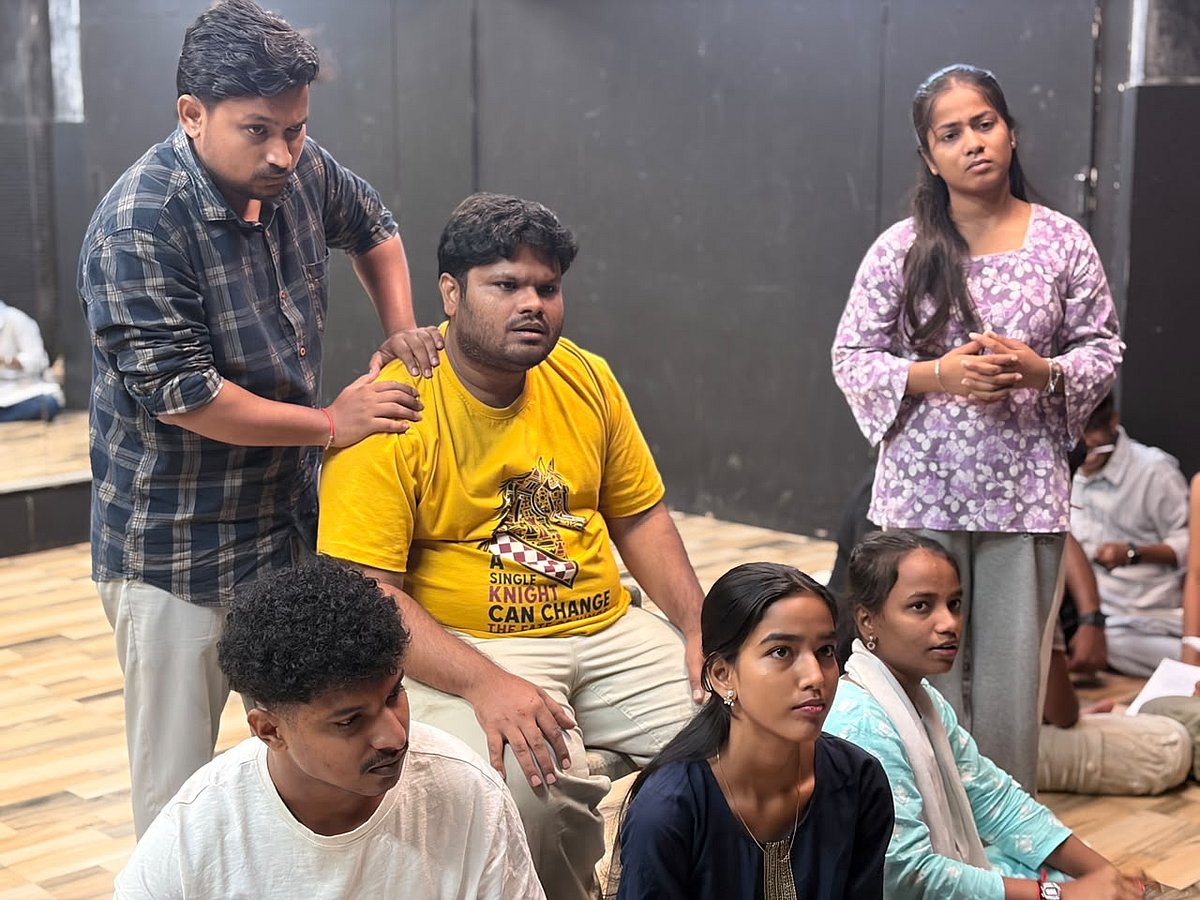
I was also interested in exploring how this story would translate to the sensibilities of today's generation. We are working with Gen Z performers, so their energy, perspectives and experiences naturally find their way into the production. The idea was to bring together the charm of old Bombay, its iconic city life, taxis and its distinctive character with the energy of today's Mumbai. I wanted to create something that audiences would recognise and feel nostalgic about, but also experience in a new way.
Do you think your casting can match Madhubala and Kishore Kumar?
I don't think the intention should be to match or imitate Kishore Kumar and Madhubala. They created something truly iconic, and their performances have a place of their own in the history of Hindi cinema. Trying to recreate that would take away from what we are attempting to do.
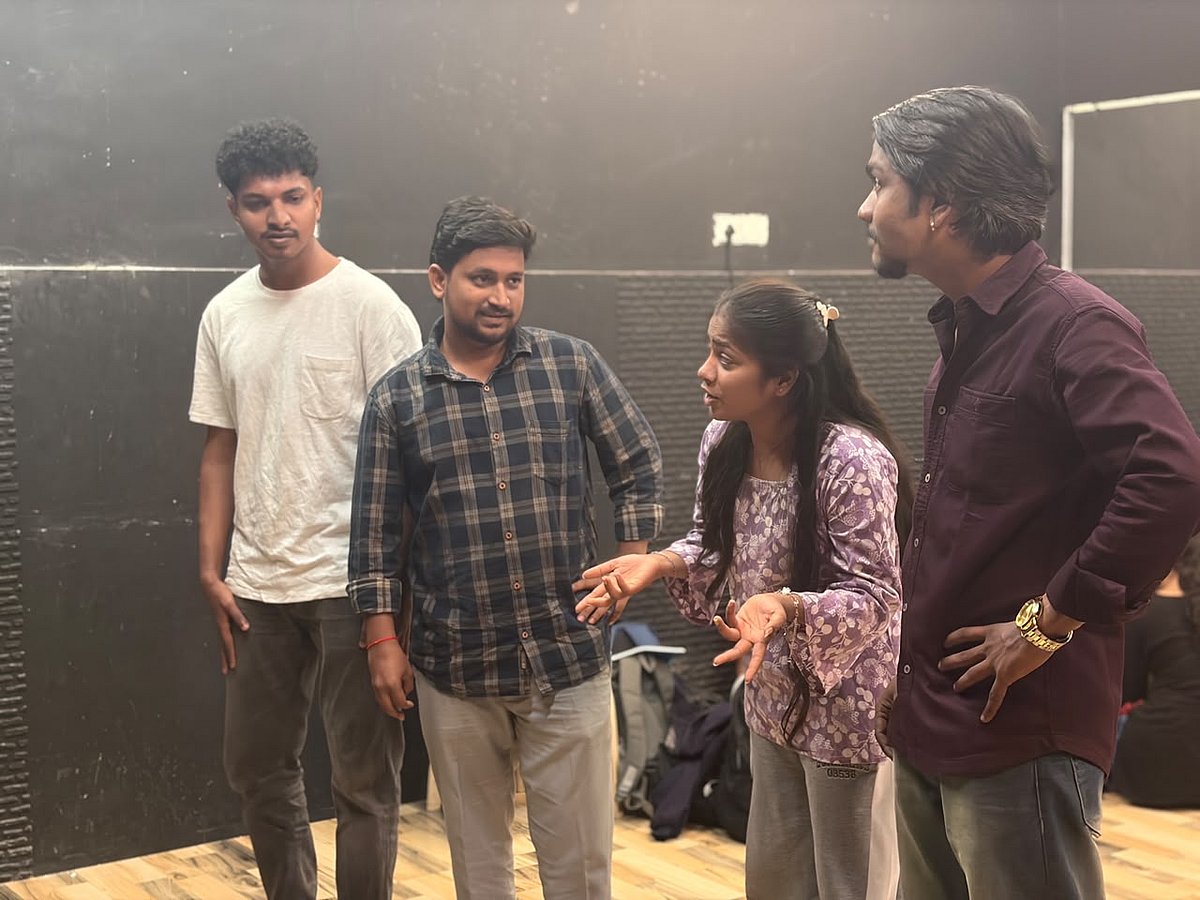
Our approach has been to relive the moments rather than replicate the performances. I have encouraged the cast to watch the original film, understand the characters and then interpret them in their own way. We have some wonderful young performers who are bringing their own personalities and energy to these roles. In fact, I often find myself thinking about how these characters would behave if the film were being made today. For instance, Madhubala's character can be viewed through a contemporary lens, where beauty is as much about intelligence, individuality and agency as it is about appearance. That is the space we are exploring.
Do you think transcribing a classic Hindi film into a play can help bring back the audience of the film, especially Gen Z?
I think adapting a film like Chalti Ka Naam Gaadi for the stage creates an interesting opportunity to bring different generations together. Those who have grown up watching the original will connect with its nostalgia, music, humour and characters, while younger audiences will get to discover the story through a completely different medium.
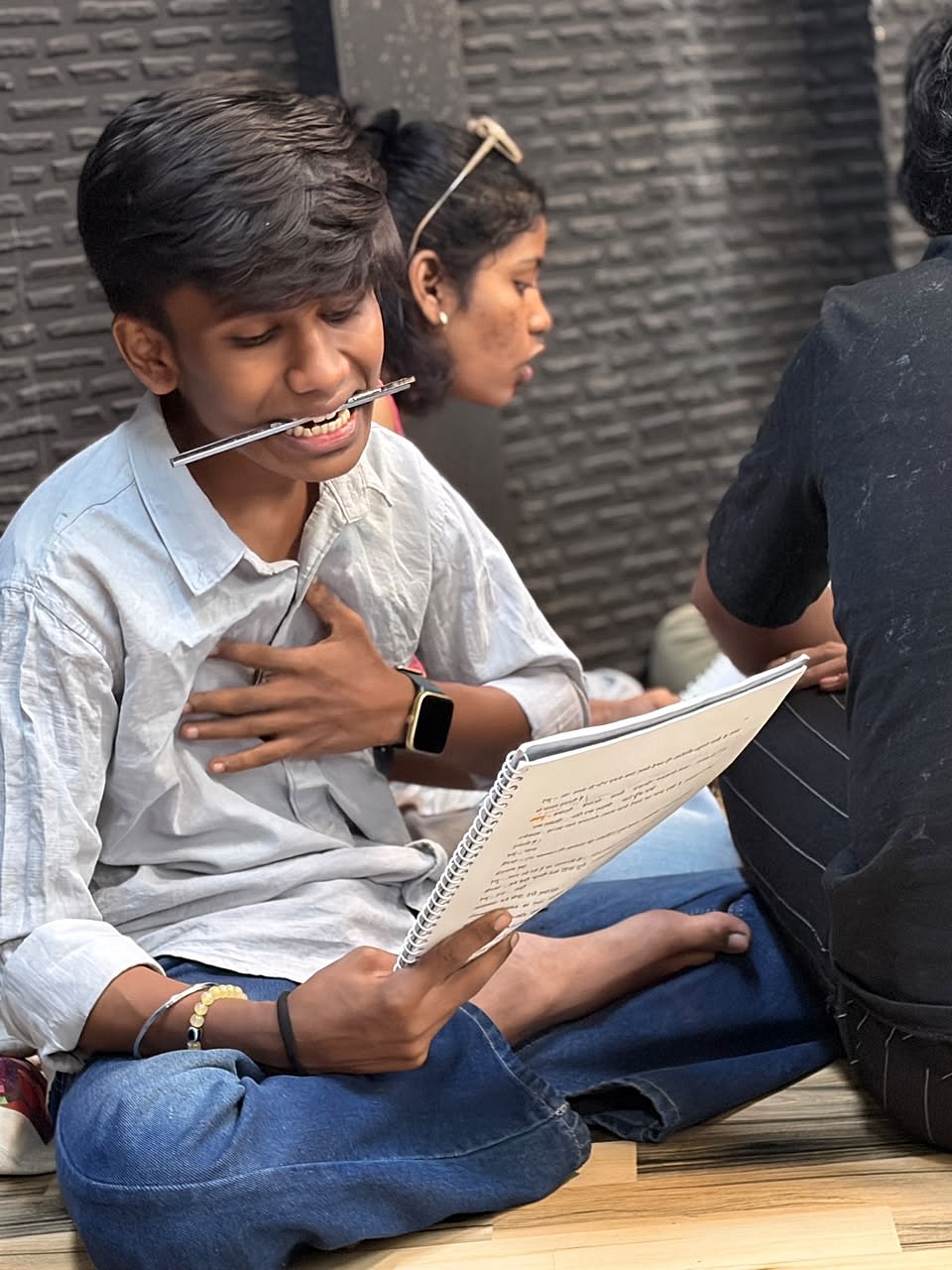
For me, contemporising a classic is not simply about introducing modern gadgets or changing the setting. It is about understanding how people think, communicate and relate to each other today. The performers are from Gen Z, and their energy and perspectives naturally influence the way the characters come alive. Even something as simple as romance becomes interesting when you see young performers interpret relationships from a very different generational perspective.
I also feel theatre offers something cinema cannot always replicate: the audience becomes part of the experience. They are not just watching a familiar story unfold on a screen; they are experiencing its energy, laughter and music live. That connection is what I hope will draw younger audiences to the production.
Will your actors be singing the songs on stage or are you using original tracks?
The songs have been recreated by Shaan and Neeti Mohan, bringing a fresh musical dimension to the production while retaining the charm of the original compositions. Their vocals, combined with the choreography by Terence Lewis Contemporary Dance Company and the playful energy of the young cast, bring these much-loved songs to life on stage. Music is such an integral part of Chalti Ka Naam Gaadi, and we wanted to ensure that it remains central to the storytelling rather than simply being an element of nostalgia. The idea is to let the audience reconnect with these familiar melodies while experiencing them through the energy, movement and performances of a new generation.
What was the biggest challenge while directing this?
One of the most interesting challenges was finding the right balance between preserving the original film's identity and giving it a contemporary theatrical interpretation. Chalti Ka Naam Gaadi has a very distinct world, and I was keen to retain its humour, romance, music and the charm of old Bombay without making the production feel like a recreation of the film.
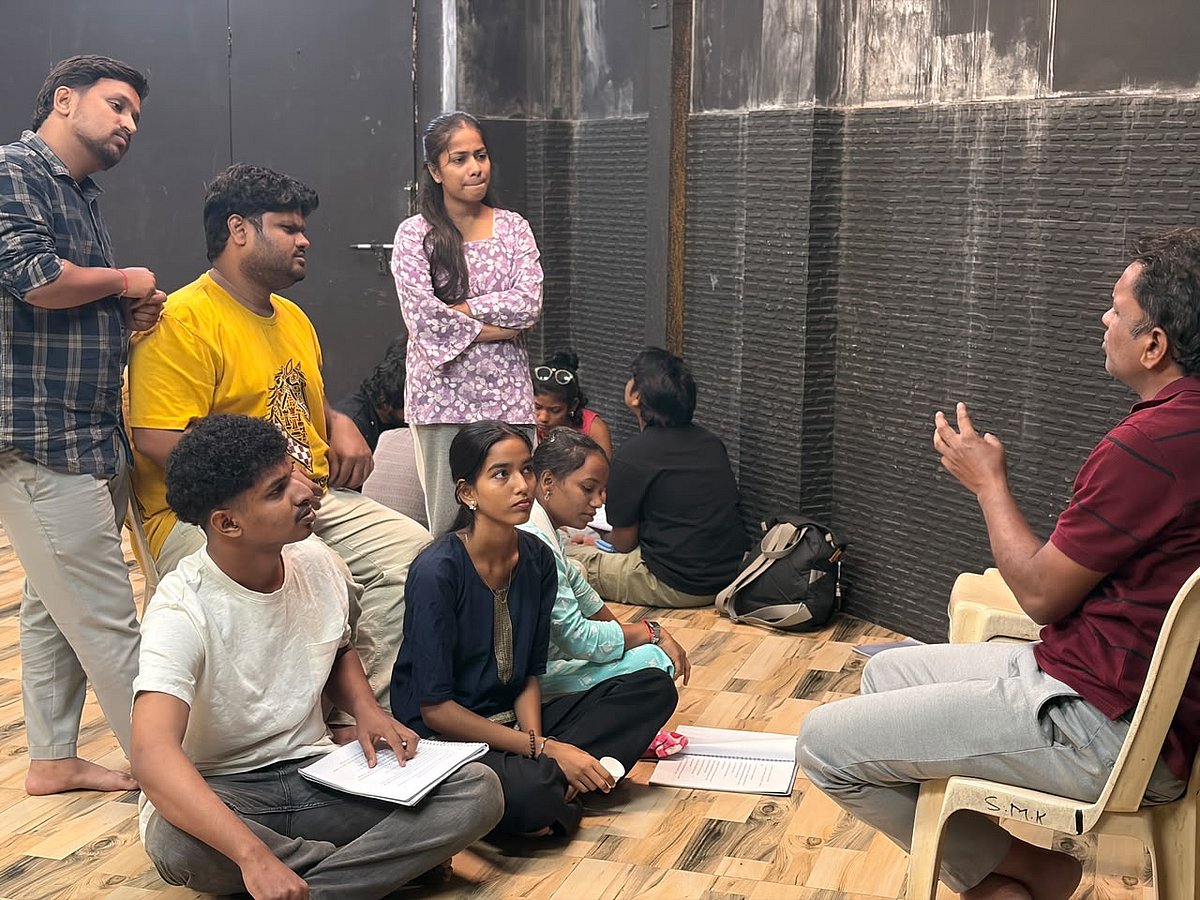
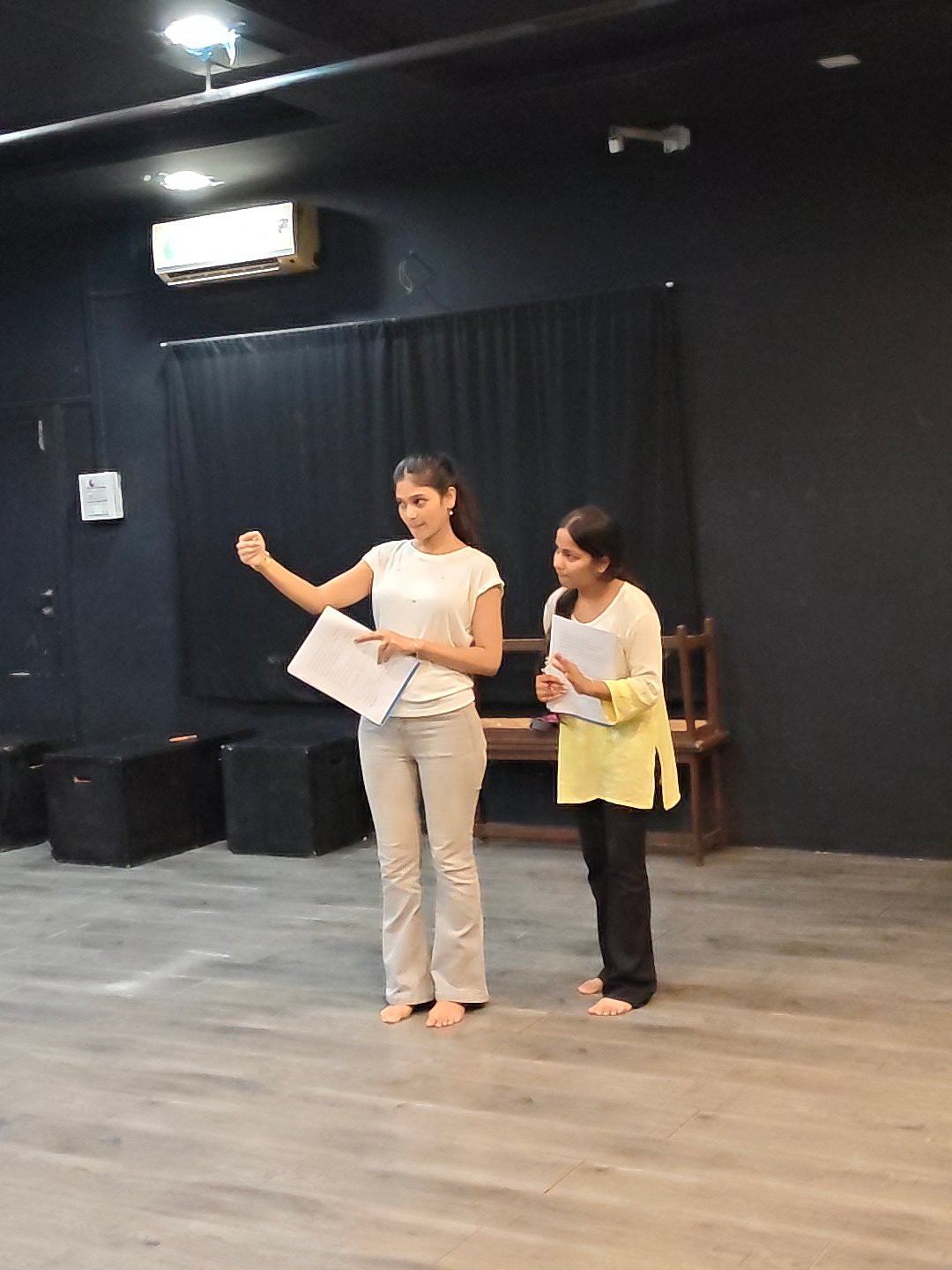
Working with a young cast also brings its own creative dynamics. We have performers between the ages of 16 and 28, each bringing a different personality and perspective to the process. The challenge was to bring all these individual energies together while ensuring that the production works as one cohesive theatrical experience.
What made the process easier was how receptive and committed the students were. They grasped the characters and direction quickly, and it was wonderful to see them experiment and bring their own interpretations to the roles. We have worked towards creating a production that holds its own professionally while allowing the cast to make the story their own.
How do you plan to get 'Champion' on stage?
Champion has been reimagined as the iconic Mumbai Kaali Peeli taxi, which becomes much more than just a vehicle in our story. It represents the spirit of the city's local taxi drivers and their struggle to hold their ground against the growing dominance of commercial, corporate fleets like Super Taxi.
Mannu, with his ingenuity and love for technology, transforms this humble Kaali Peeli into an F1-inspired machine. We plan to recreate the cars as physical elements of the set, making them an integral part of the storytelling rather than just props. Through creative set design, movement and choreography, we will bring the garages, the cars and, of course, the big race alive on stage. The race sequence, in particular, will use theatrical movement and visual effects to create the thrill of a high-speed contest.
Which is your favourite moment from the film?
For me, it is difficult to pick just one moment because the film has so much charm and spontaneity. The garage sequences, the exchanges between the brothers and the romance that unfolds through the story are all memorable. The songs, particularly Ek Ladki Bheegi Bhaagi Si, are also an integral part of what makes the film so special.
What I love most is the film's ability to make people laugh without trying too hard. There is an innocence and a sense of fun to its storytelling that I think audiences continue to connect with even today. That is the spirit I wanted to carry into our stage adaptation.

