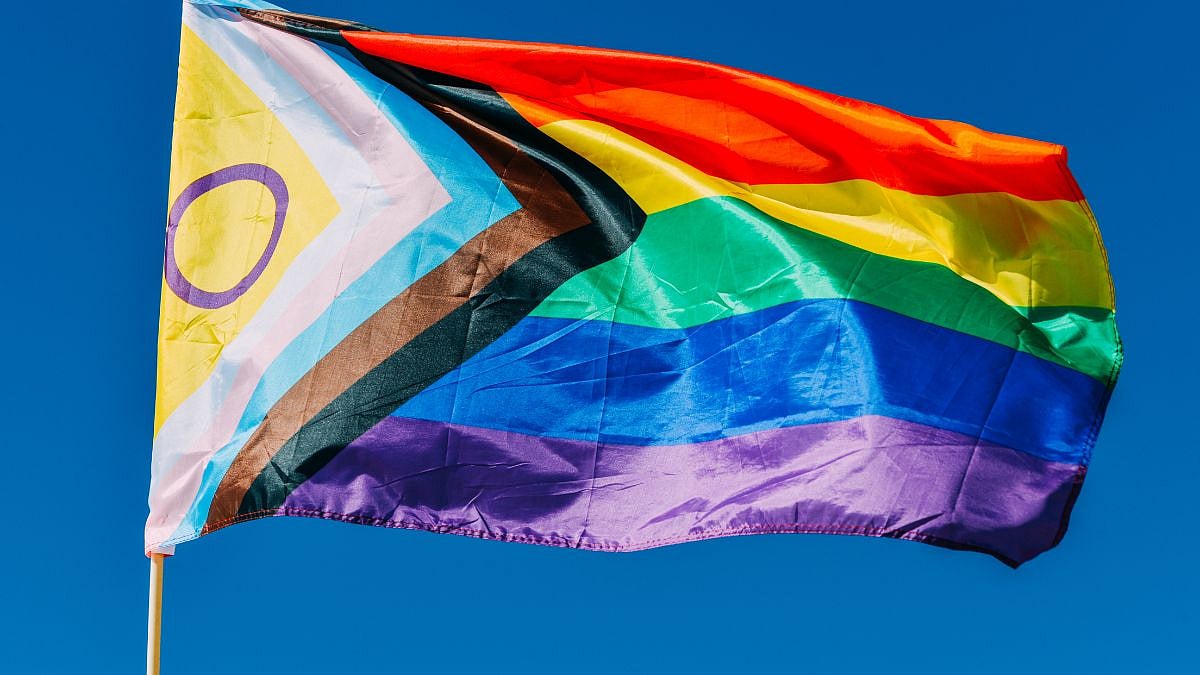
Every year, Pride Month is celebrated in June to honour the LGBTQ+ community, promote equality, and raise awareness about the ongoing fight for inclusion and human rights. One of the most recognisable symbols of the movement is the rainbow flag, which represents diversity, unity, and pride. The LGBTQ flag represents diversity, pride, and solidarity within the lesbian, gay, bisexual, transgender, and queer community. But have you ever thought about why the community has this unique flag and what the rainbow flag represents? Well, we have got answers for that. Keep on reading to know more.
What does the rainbow flag represent?
The original rainbow flag was designed in 1978 by American artist and LGBTQ+ activist Gilbert Baker. He created the flag as a symbol of hope and liberation for the LGBTQ+ community. While the earliest version featured eight colours, the modern rainbow flag is commonly seen with six stripes. Each strip of the flag represents a core value of the community. Like the, Red colour represents life, Orange represents healing, yellow represents sunlight, green means naute, blue symbolises harmony and peace, and violet represents spirit.
Progress Pride Flag: Meaning behind it
The Progress Pride flag is a modern adaptation of the traditional rainbow flag, which was designed by American artist and graphic designer Daniel Quasar in 2018 to emphasise inclusion and continuous progression within the LGBTQ+ community. The modernised form of popular pride flags features an arrow that consists of the colours white, pink, and light blue of the Trans Flag and the black and brown, which represent LGBTQ+ people of colour. In addition, the black strips also represent people living with AIDS, as well as those who have died from the disease. The arrow featured in the flag points to the right, to show the forward movement, and illustrates that progress is important.
Significance
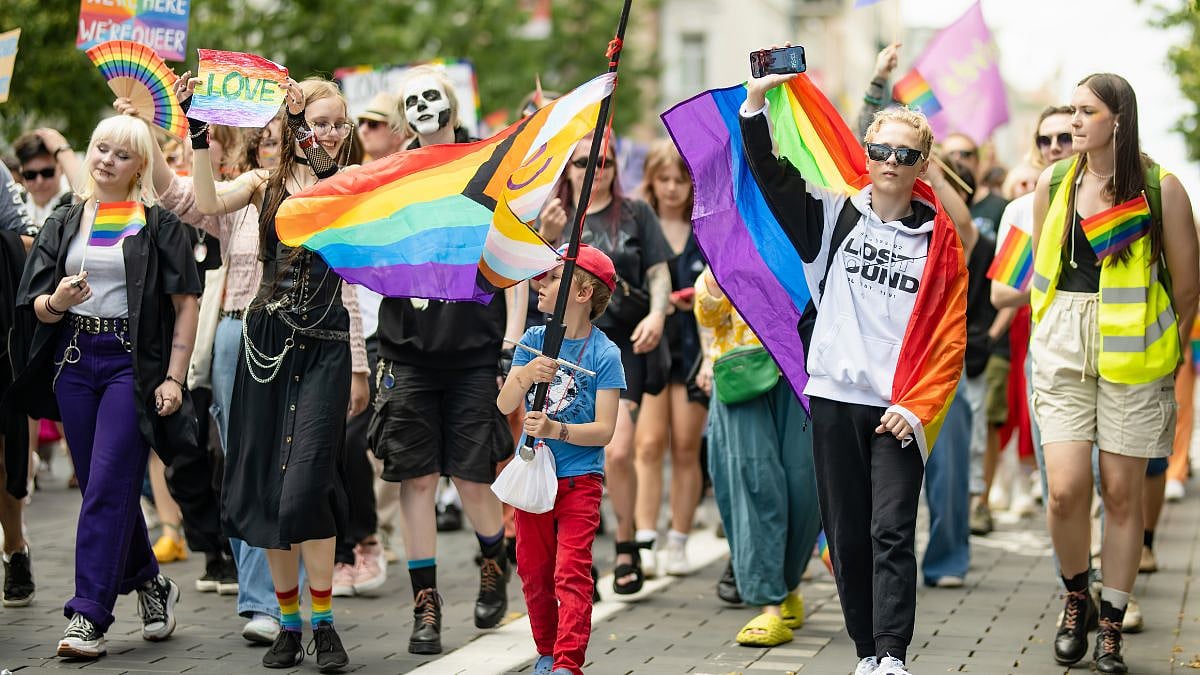
Over the years, the rainbow flag has evolved to become a global emblem of LGBTQ+ pride and acceptance. Newer versions, such as the Progress Pride Flag, include additional colours to represent transgender individuals and LGBTQ+ people of colour, highlighting the importance of inclusivity within the movement. During Pride Month, the rainbow flag is displayed at parades, public buildings, workplaces, and homes around the world.
