Paryushan Mahaparva is an annual sacred Jain festival which is dedicated to spiritual purification, self-reflection, deep introspection, and the practice of universal forgiveness. It is an annual holy festival in Jainism which falls in the month of Bhadrapada, which usually falls in August or September. In 2026, the festival has already begun from September 8 and it will run until September 15.
About Paryushan Parv
Paryushan Parv is one of the biggest festivals which is celebrated in Jainism. It is celebrated for 8 days by the Svetambara sect, and the Digambar sect celebrates the festival for ten days. The ten-day festival is also known as Das Lakshan Parva. The word itself has meaning. Paryushan is explained in different ways by scholars. The word Paryushana means abiding and coming together. The festival is important for both Shwetambar and Digambar monastics.
Why 8 days for Shwetambar and 10 days for Digambar?
Paryushan Parv is important for both monastics in Jainism. However, the Shwetambar sect observes Paryushan Parv for 8 days, ending with Samvatsari, while the Digambara sect celebrates a 10-day festival called Daśa Lakṣaṇa Parva, which begins the day the Śvetāmbara festival concludes. This difference comes from unique scriptural traditions, focal texts, and ritual schedules.
That means Shwetambar Paryushan Parv has started from September 8, and it will run until September 15, whereas Digambar Paryushan Parv is scheduled from September 15, the same day when Shwetambar Paryushan ends, to September 24.
Shwetambar and Digambar tradition of Paryushan Parv
Since the date of the Paryushana celebration is different in both monastics, let's talk about the reason and tradition followed during the festival. Shwetambar, also known as Śvetāmbara, means "white-clad," as their monks and nuns wear simple white robes.
They celebrate Paryushan for eight days, and during this time, devotees recite the sacred text Kalpa Sutra starting on the fifth day, which covers the life of Lord Mahavira and other Tirthankaras. Meanwhile, the Digambara sect, which means sky-clad (naked), observes Dasha Lakshana Parva for ten days, starting right as the Śvetāmbara festival ends. In this sect, each day is dedicated to meditating on one of the ten supreme virtues of the soul outlined in the Tattvārtha Sūtra.
Fasting rules for Paryushana
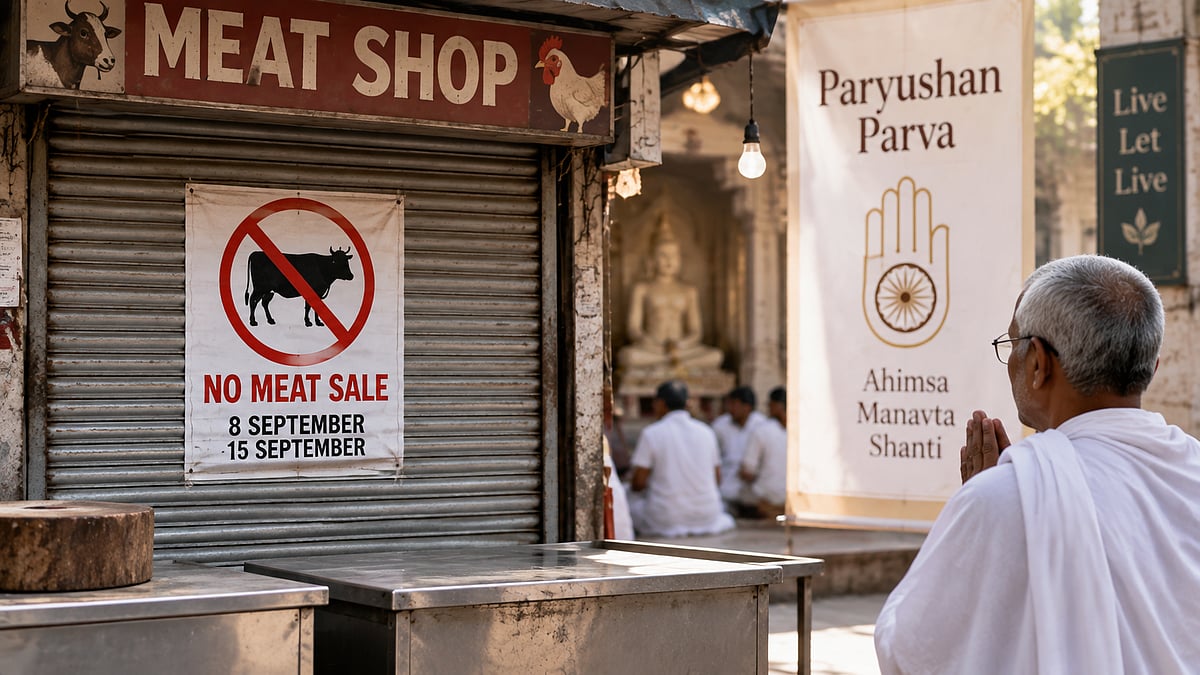
The Paryushan Parv centres on ahimsa (non-violence) and self-discipline. Many devotees observe water-only fasts (Upvas), and some observe fasts with single meals, also known as Ekashana, with strict avoidance of root vegetables, green leafy vegetables, especially after dark, and fermented items to prevent harming microscopic life.

