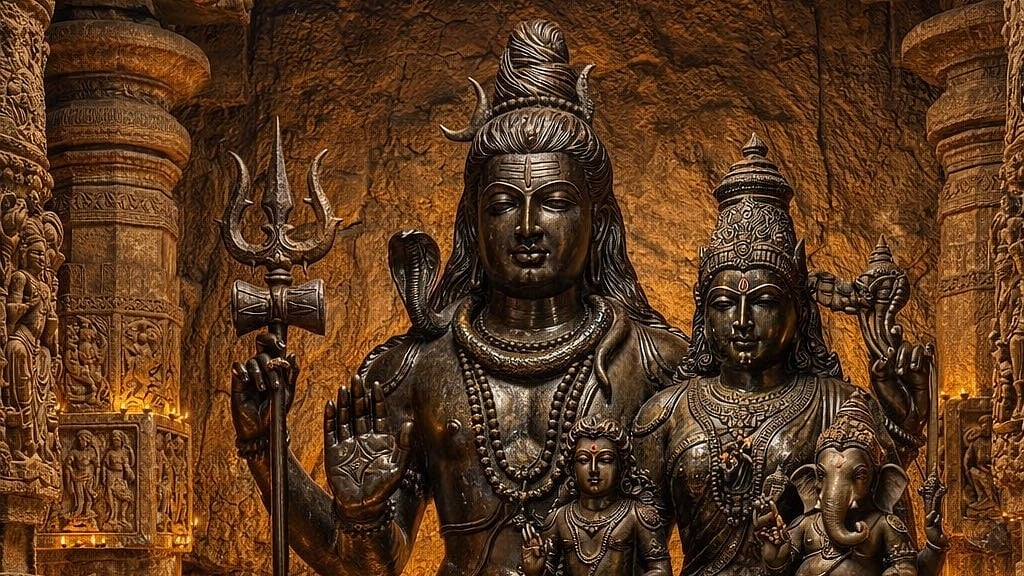
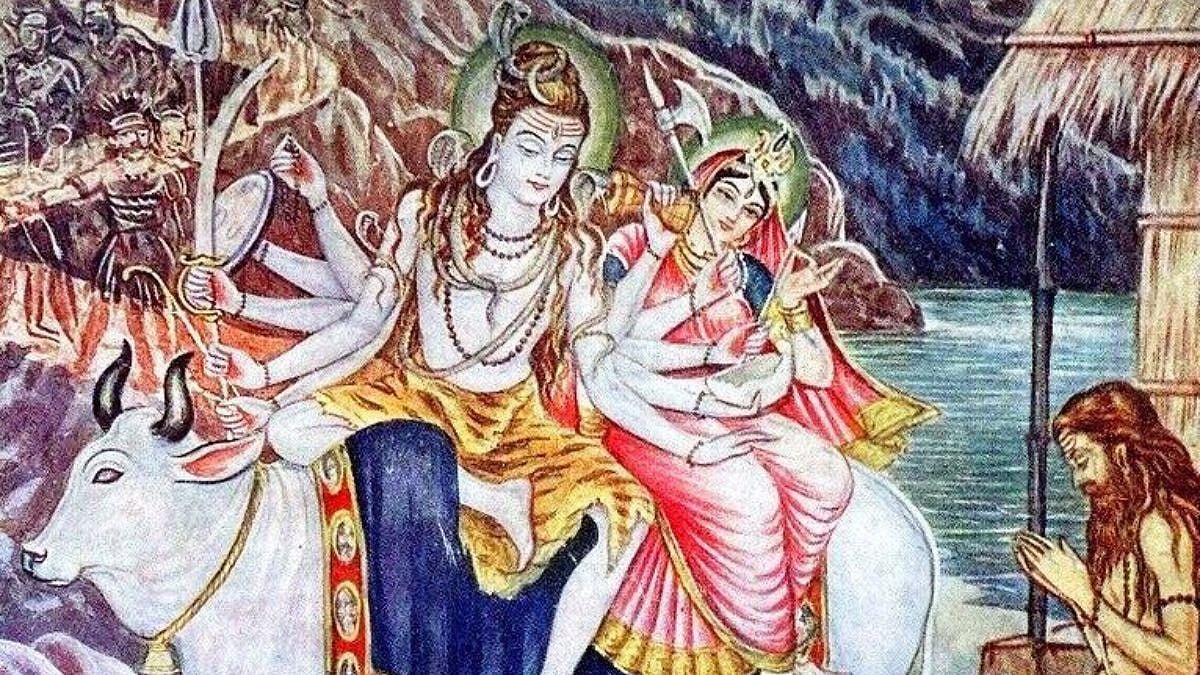
Maha Shivratri is one of the most auspicious and sacred Hindu festivals, which is dedicated to Lord Shiva and Goddess Parvati. Maha Shivratri means The Great Night of Shiva, which is celebrated every year in the month of Phalguna (February–March). The festival marks the divine union of Shiva and Parvati and symbolises spiritual awakening.
Across India, devotees observe fasting, nightlong prayers, and temple visits. Many keep a strict fast throughout the day, consuming only fruits and milk, while some observe a nirjala (without water) fast. The night is considered especially sacred, and devotees stay awake and chant “Om Namah Shivaya” during the four prahars (quarters) of the night. But, do you know why this mantra is considered so powerful and sacred? Keep on reading to know the significance and spiritual practices.
Om Namah Shivaya: The Panchakshari Mantra
Om Namah Shivaya is known as the Panchakshari Mantra, meaning the five-syllable mantra (Na-Ma-Shi-Va-Ya). Each syllable is believed to represent the five elements of nature: earth, water, fire, air, and space. It symbolises balance within the universe and within oneself. The mantra translates to “I bow to Lord Shiva” or “I honour the divine within.”
Significance
Maha Shivratri is regarded as the most spiritually charged night of the year. According to scriptures, chanting this mantra on Shivratri helps calm the mind, remove negative energies, and awaken higher consciousness. Devotees believe it purifies thoughts and aligns the soul with divine vibrations.
What is Om and why is it important?
The sound Om represents the cosmic sound of creation, while “Namah Shivaya” signifies surrender to the supreme reality. Together, the mantras encourage humility, inner strength, and spiritual growth.
Om (ॐ) is considered the most sacred sound in Hinduism and one of the most powerful spiritual symbols in the world. It is often referred to as the “primordial sound” or the sound of the universe, believed to be the vibration from which all creation emerged.

