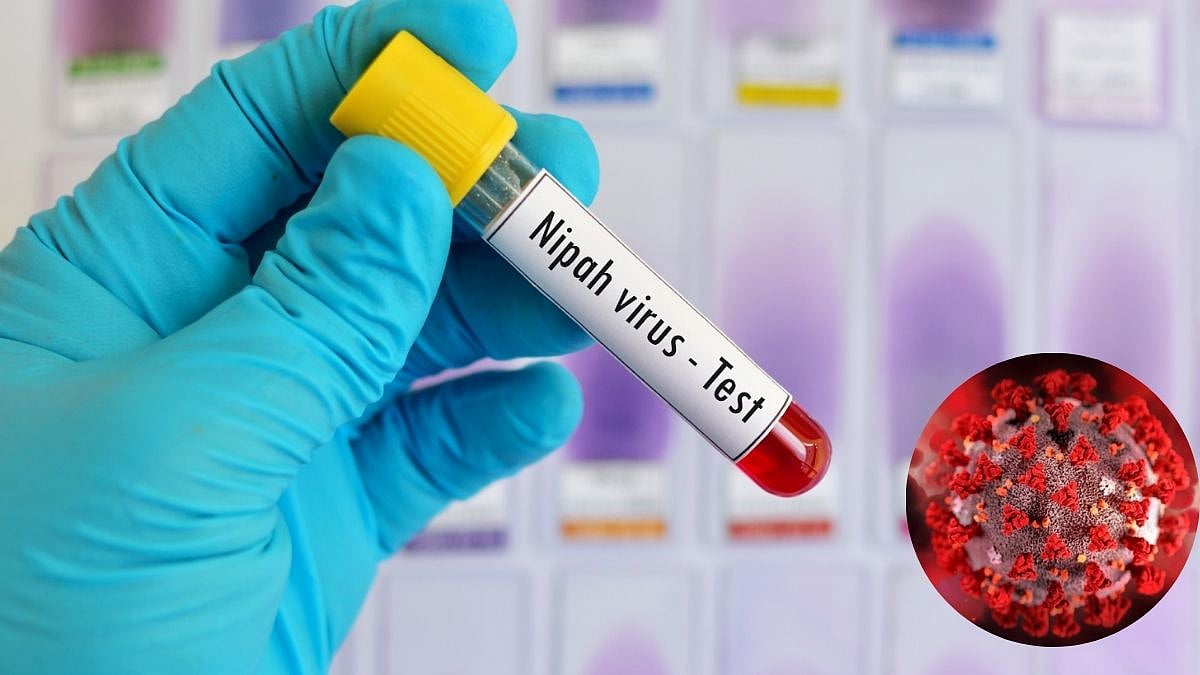
Nipah virus (NiV) is a highly contagious zoonotic disease that can spread from animals to humans and, in some cases, from person to person. It is a fatal zoonotic pathogen that spreads from animals to humans. It causes severe respiratory and neurological diseases. First identified during an outbreak in Malaysia in 1998, the virus is considered a serious public health threat due to its high fatality rate and the absence of a specific treatment or vaccine.
About the Nipah Virus
Nipah virus belongs to a family called henipaviruses and is zoonotic, meaning it can spread from animals to humans. Fruit bats are considered the natural carriers. Although outbreaks are typically limited in scale, the severity of infection makes early detection and isolation critical. Fruit bats of the Pteropus genus, commonly known as flying foxes, are the natural hosts of the Nipah virus. Humans can become infected through direct contact with infected animals, consumption of contaminated food products such as raw date palm sap, or close contact with infected individuals.
Symptoms
The symptoms of Nipah virus infection can range from mild to severe. Early signs often include fever, headache, muscle pain, sore throat and vomiting. In severe cases, the disease can rapidly progress to respiratory distress, encephalitis (inflammation of the brain), seizures and coma. The incubation period typically ranges from four to 14 days, although some cases have reported longer periods.

Outbreaks in Kerala
An outbreak of the virus has been reported in Kerala after a suspected case of Nipah virus was officially confirmed in the Kozhikode area. A 43-year-old man with encephalitis symptoms who had been undergoing treatment at the Government Medical College (MCH), Kozhikode, has now been confirmed to have Nipah virus. The health department is now tracing and isolating those who came into contact with the patient. In 2018, Kerala witnessed the deadliest outbreak of the virus, with 21 reported deaths among the 23 infected patients.

