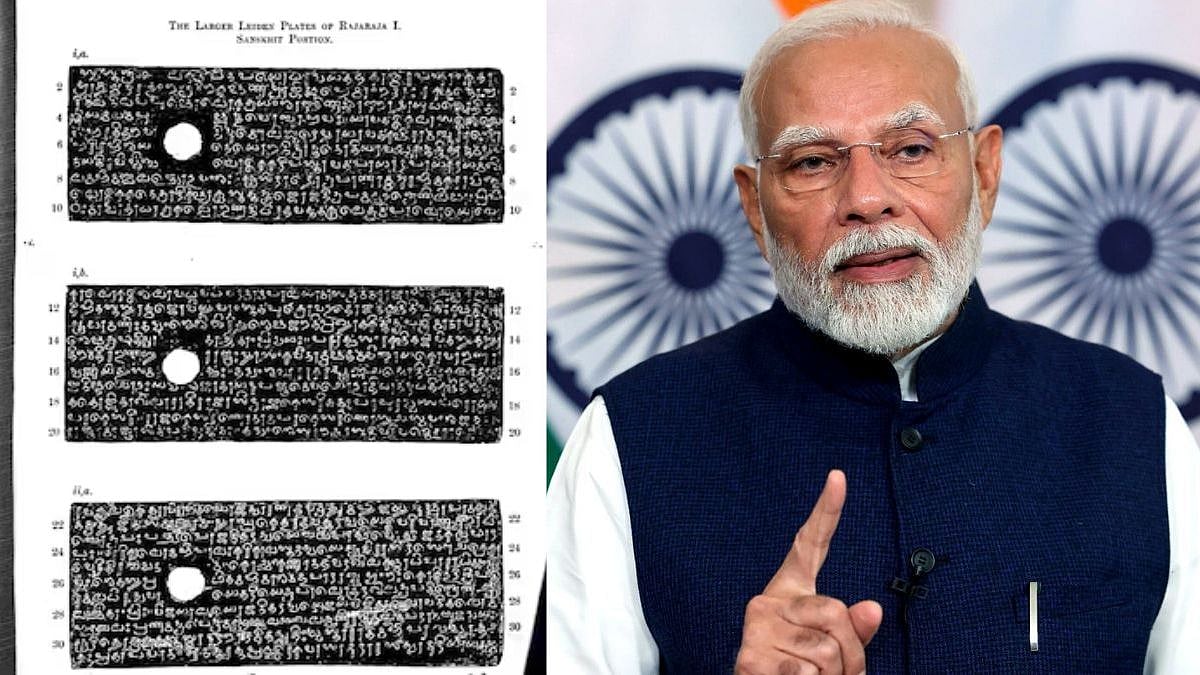
In a major cultural and diplomatic moment for India, the Netherlands has officially returned the centuries-old Anaimangalam copper plates, one of the most valuable surviving records from the mighty Chola empire. The handover took place amid Prime Minister Narendra Modi's visit to the country as part of his five-nation international tour, marking an important step in the return of colonial-era artefacts to their places of origin.
More about Chola-Era Copper Plates
Often referred to as the "Leiden Plates" in Europe, the inscriptions date back to the reign of the legendary Chola emperor Rajaraja Chola I between 985 and 1014 CE. Historians consider them among the most important Tamil inscriptions preserved outside India because they offer rare insight into the political, religious and maritime world of mediaeval South India.
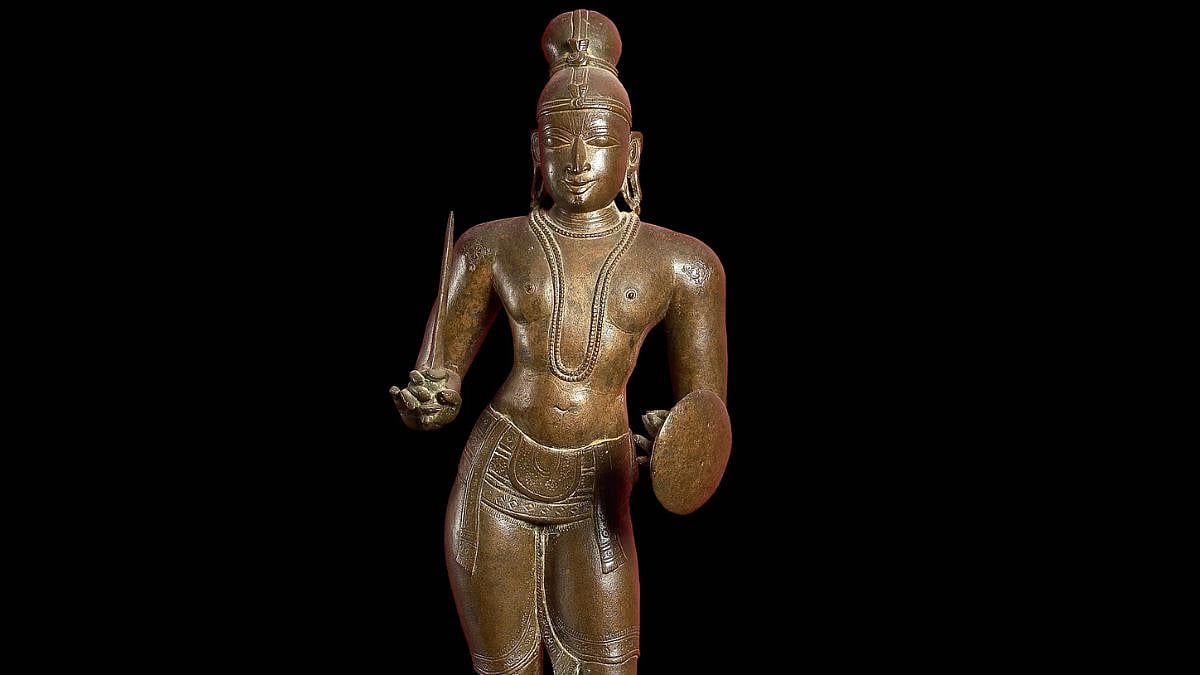
According to reports, the copper plates document royal grants linked to the Chudamani Vihara, a Buddhist monastery built in Nagapattinam by Sri Mara Vijayotunga Varman, ruler of the Srivijaya kingdom in present-day Indonesia. Scholars say the records reflect the strong trade and cultural ties that once connected South India with Southeast Asia during the height of Chola influence.
The artefacts themselves are remarkable in scale. The Anaimangalam collection consists of 21 large copper sheets and three smaller plates weighing close to 30 kilograms. They are held together by a copper ring engraved with the royal Chola seal. While Rajaraja Chola I originally issued the land grant, it was later permanently inscribed onto copper during the reign of his son, Rajendra Chola I.
The inscriptions had remained in the Netherlands for over a century after being taken during Dutch colonial rule along the Coromandel Coast. Media reports suggest that they eventually became part of Leiden University’s Asian collections in 1862.
India had been pursuing their return for years through diplomatic negotiations with the Dutch government and Leiden University. The breakthrough came after the Netherlands introduced a formal restitution policy for colonial-era artefacts in 2022. Following detailed provenance research, authorities concluded that the historic inscriptions rightfully belonged in India.

