Navroz is one of the oldest festivals in the world, which is celebrated by millions of people around the globe. The festival marks the New Year for Persians or the Iranian. It is celebrated on the first day of spring and usually falls on March 20 or 21. The holiday has been celebrated for over 3,000 years and is deeply rooted in Persian culture and traditions. Keep on reading to know more about the festival's origin, significance and much more.
About Navroz
Navroz is based on the Northern Hemisphere spring equinox, which marks the first day of a new year on the Iranian calendars. The word 'Navroz' is combined from two Persian words: 'now', which means 'new', and 'ruz', which means 'day'. The festival is not only celebrated in Iran but also in countries that were once part of Iranian empires including Iraq, Afghanistan, Türkiye, India and the Caucasus region, especially in Azerbaijan.
Navroz is deeply rooted in Zoroastrian traditions
Navroz is deeply rooted in Zoroastrianism traditions and revolves around themes of harmony, nature and family. Preparations for Navroz usually begin weeks in advance, with customs such as spring cleaning (khaneh tekani), buying new clothes, and preparing special meals.
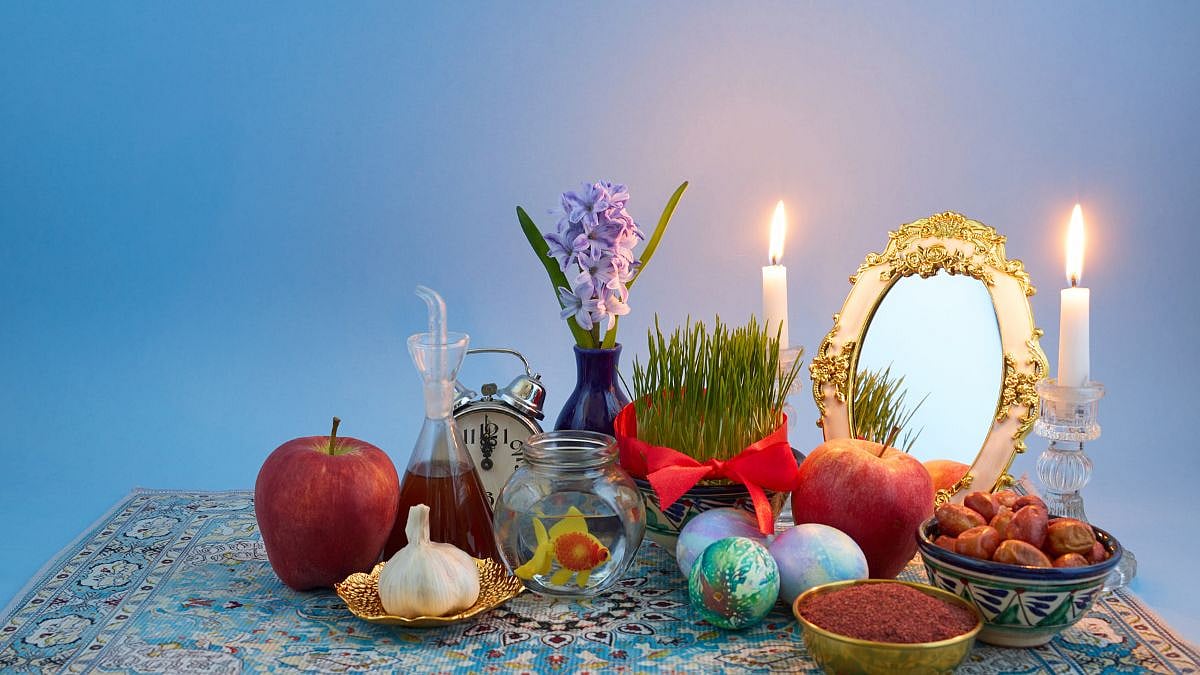
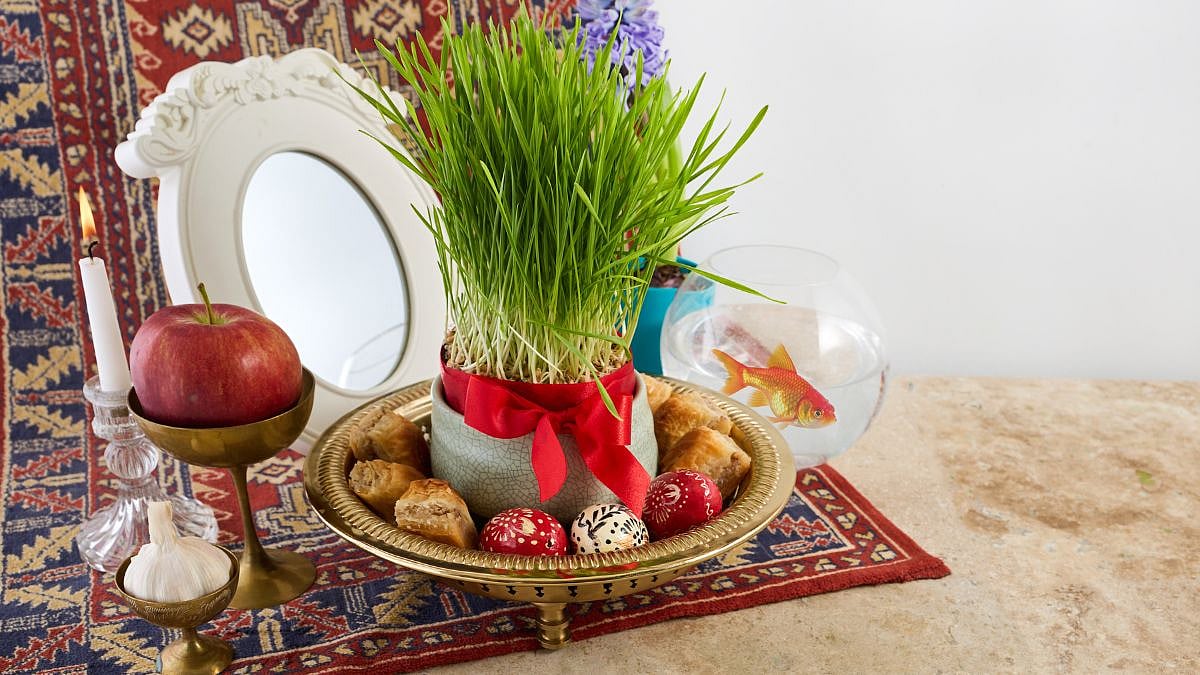
The most important tradition of Navroz is setting the Haft-Seen table, which includes seven symbolic items starting with the Persian letter 'S': Sabzeh (sprouted wheat or lentils for growth), Samanu (sweet pudding for power and strength), Senjed (dried fruit for love), Seer (garlic for health), Seeb (apple for beauty and health), Somāq (sumac for patience), and Serkeh (vinegar for wisdom).
When Navroz celebration will begin in India?
This year, the festival will be celebrated on Friday, March 20 at 8:16 PM. It coincides with Eid-al-Fitr, which is also marked across West Asia today. The festival brings people together and spreads peace between different communities.
