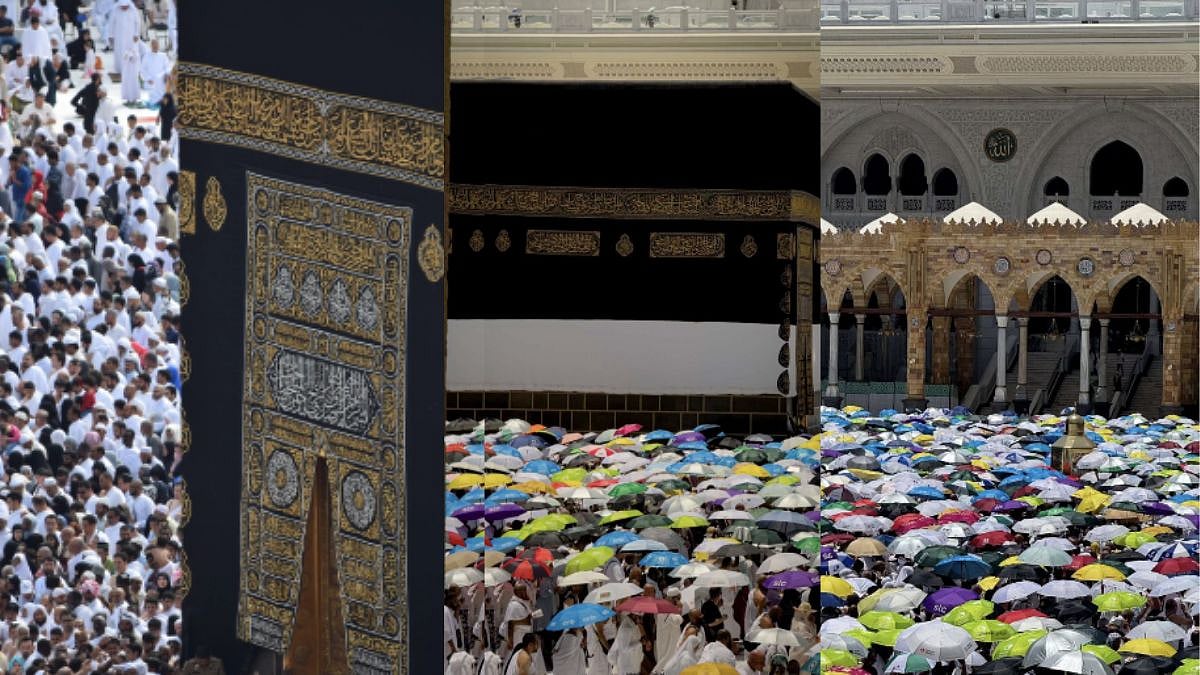
Muslim pilgrims from across the world are performing the sacred Hajj rituals in Saudi Arabia amid intense summer heat, as the auspicious festival of Bakrid, also known as Eid al-Adha, begins. The annual pilgrimage, one of the five pillars of Islam, draws millions of devotees to the holy city of Makkah, where they undertake a series of religious rites that symbolise faith, sacrifice and unity.
Worshippers performed Hajj in scorching heat
The sacred Hajj is a part of Dhul Hijjah. Dhul Hijjah is considered one of the holiest months in the Islamic calendar and holds immense spiritual significance for Muslims around the world. It is the twelfth and final month of the Islamic lunar year and is closely associated with the annual Hajj pilgrimage to Mecca, Saudi Arabia. It is also known as the month of the annual Hajj pilgrimage. This year, Dhul Hijjah began on May 18 and it ends with Eid al-Adha, the festival of Sacrifice which will be on May 28, 2026.
Despite the temperatures were soaring around 45 degrees Celsius, Muslim pilgrims performed the saced yatra and continue to move between key sites such as Mina, Arafat, and Muzdalifah, completing essential rituals like the Tawaf around the Kaaba, standing at Arafat, and the symbolic stoning of the devil. Hajj is one of the most sacred site which is visited by evey Muslims in the world at least for once.
Impressive management at the pilgrimage site
Saudi Arabia's authorities have implemented extensive measures, including shaded walkways, cooling systems, water distribution points and medical support, to help pilgrims cope with the harsh weather conditions. The management also included drones to deliver medical supplies across the holy sites. Additionally, the country features instant translation devices (supporting over 130 languages) at border entry points.
What is special road coating in Hajj?
The management has done the special road coating in Hajj to manage the heatwave. It is an innovative heat, blocking, reflecting asphalt coating which was used in the holy sites such as Mina and around the Namira Mosque in Arafat. It is designed to lower the extreme surface temperatures of walkways and roads caused by the intense desert sun. Special road coatings were used across 70,000 square metres of holy sites to reduce surface temperatures by up to 15 degrees Celsius. Hundreds of thousands of security personnel and volunteers continue to work alongside these systems to keep pilgrims safe.
This year’s pilgrimage has seen strong participation from international devotees, with faith remaining central despite environmental challenges. Many pilgrims describe the experience as spiritually overwhelming, emphasising patience, endurance and gratitude as they fulfil their religious duty.
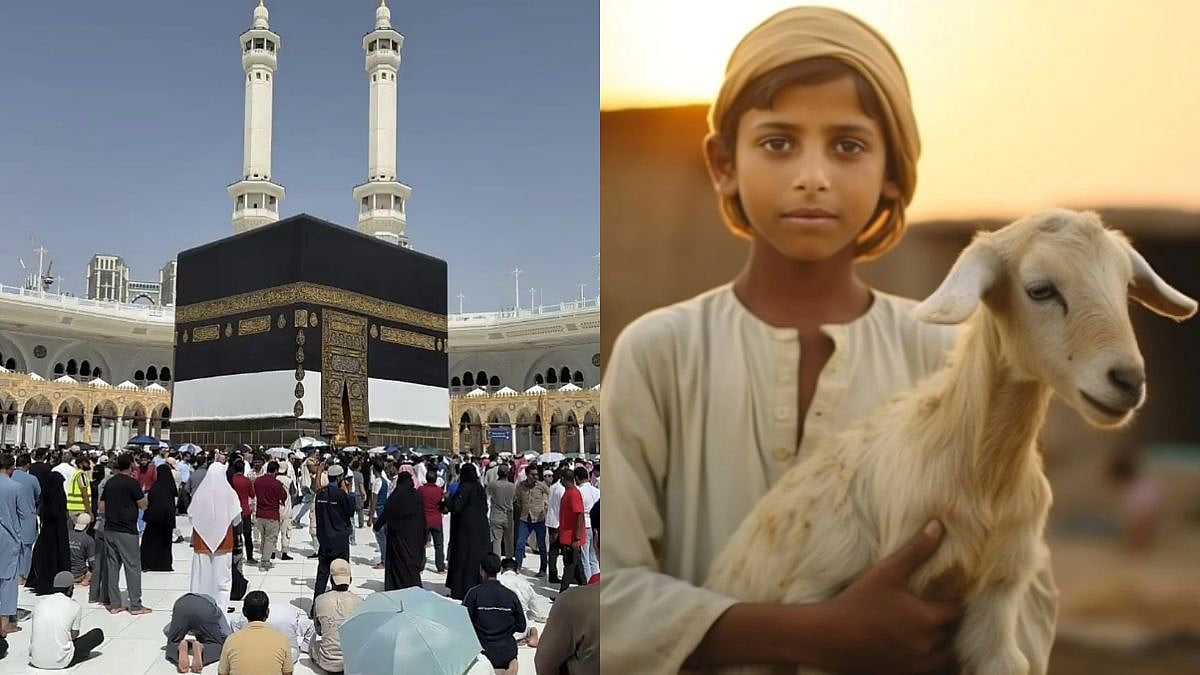
Worshippers prayed on Mount Arafat
Lakhs of devotees prayed on Mount Arafat on Tuesday at the clix of Hajj in a scorching temperatures. Thousands of white-robed worshippers recited Quranic verse on the 70-meter- high rocky hill near Mecca. It is the place where Prophet Mohammed is believed to delivered his last sermon. Voluters handed food packages and water bottles to the tens of thousands worshippers. According to the Saudi officials, more than 1.7 million people have joined the sacred Hajj this year. Despite, the US-Iran-Israel war, more pilgrims had travelled from across the world than in 2025.

