If you see some Tibetans dancing and singing on the roads near Horniman Circle or you see some Assamese folk dancers break into an impromptu flash dance near the Jehangir Art Gallery, don’t be astonished. These are the guest performers at the upcoming Kala Ghoda Fest 2026.
It is the 26th year of the festival and it’s young and mature like a good French wine bringing the same ethos to the city of Mumbai every year. It’s awaited not only by the Mumbaites, but also by people across the country who travel all the way to Mumbai to attend the festival. Even tourists from abroad end up planning their trips to India around the festival.
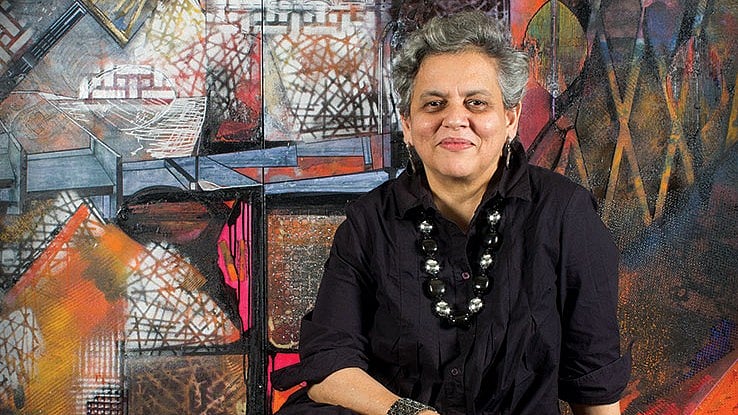
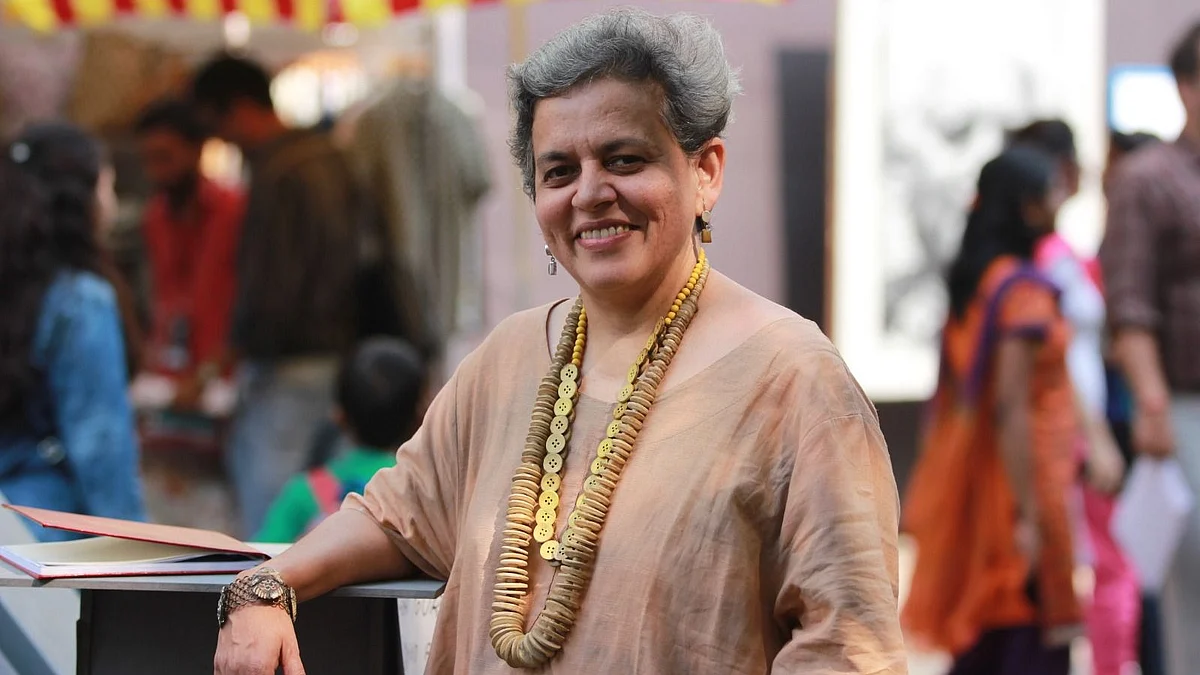
“I was surprised when the Taj Mahal Palace people told me that they get enquiries at their desk from their ex-pat guests about the festival,” reveals Brinda Miller, the Festival Director of Kala Ghoda Arts Fest for last many years. “Now, it’s a tourist attraction as well.”
Brinda’s first association with the fest started in the very first year when Sangita Jindal launched the festival with the goal of making the citizens aware of the beauty of the precinct and raise money to restore some of the beautiful heritage buildings there. “I went and told Sangita that I wanted to do my bit for the festival… whatever she wanted me to do. And I did exactly that – helped her team whenever and wherever they needed an extra hand.”
After a couple of years, Brinda was in the organizing committee taking on more work not for any laurels, but just because she loved the idea and the precinct that meant so much to her. “Honestly speaking, I never aimed to be the director of the festival,” confesses Brinda. “It just happened. I had to step in when the then director stepped down one year at the last moment. And since then, despite trying to be away from the post a couple of times, I am kind of tied down to it,” she smiles and adds.
What initially started with a focus on just a few verticals related art, has 15 varied verticals today. The festival has been growing organically with new verticals being added almost every year. “We added the last new one – Lifestyle - last year,” Brinda informs. “We realized that there were so many things that we were including in many other existing verticals, but they needed their own standing. Therefore, finally we included Lifestyle last year.”
leena_manjrekar
Having said that, Brinda wishes she can reduce the verticals and not keep increasing them.
Which is the most difficult vertical to manage from organization point of view? “I would say Music and Dance,” says Brinda. “They are difficult to manage for more than one reasons. One, the musicians and dancers are quite emotional and can be difficult to manage. Second, despite most of them not charging us much, the costs for the set up sometimes send the budgets for a toss.”

leena_manjrekar
Which is the easiest? “Children!” comes a prompt one. “Tasneem, Rishita and Richa have over the years taken the load off completely. They all love children and therefore they enjoy curating this thoroughly,” tells Brinda. “And Heritage Walks. Khaki Tours take care of every detail. We don’t have to do micromanagement there.”

leena_manjrekar
There are some verticals that kind of overlap with each other. “Yes… let’s put it this way – there are some activities that are included in more than one verticals.”
So how different is Urban Design & Architecture from Heritage Walk? “Heritage walks is not just about the architecture, no, it is also about the history. Who was the person who founded this? Who was the person who made this well? Why was the well made? Why was this fountain made? etc.,” shares Brinda. “In fact, some of the very interesting stories is how the water from the fountains was meant to for the animals to drink water from. All these little fountains everywhere and these water things and a lot of little water pyaos, what we call pyaos… the Heritage Walks have all this and more,” she adds. “We also have the Wadia clock tower which we have recently restored by Vikas Dilawari.”
One of the programs in Urban Design & Architecture is Metro In Dinon. “Yes. We have called people who are involved with the Metro and they are going to talk about the Metro. This is a part of Urban Design & Architecture. There are interviews of known architects about urban design – not just Kala ghoda precinct but urban design at large... buildings, restaurants, coastal road… everything. This is what differentiates this vertical from Heritage Walk.”
Kala Ghoda Arts Fest is more than just an art festival now. “It has become that. It has become many things because we needed to expand and everything is connected.”
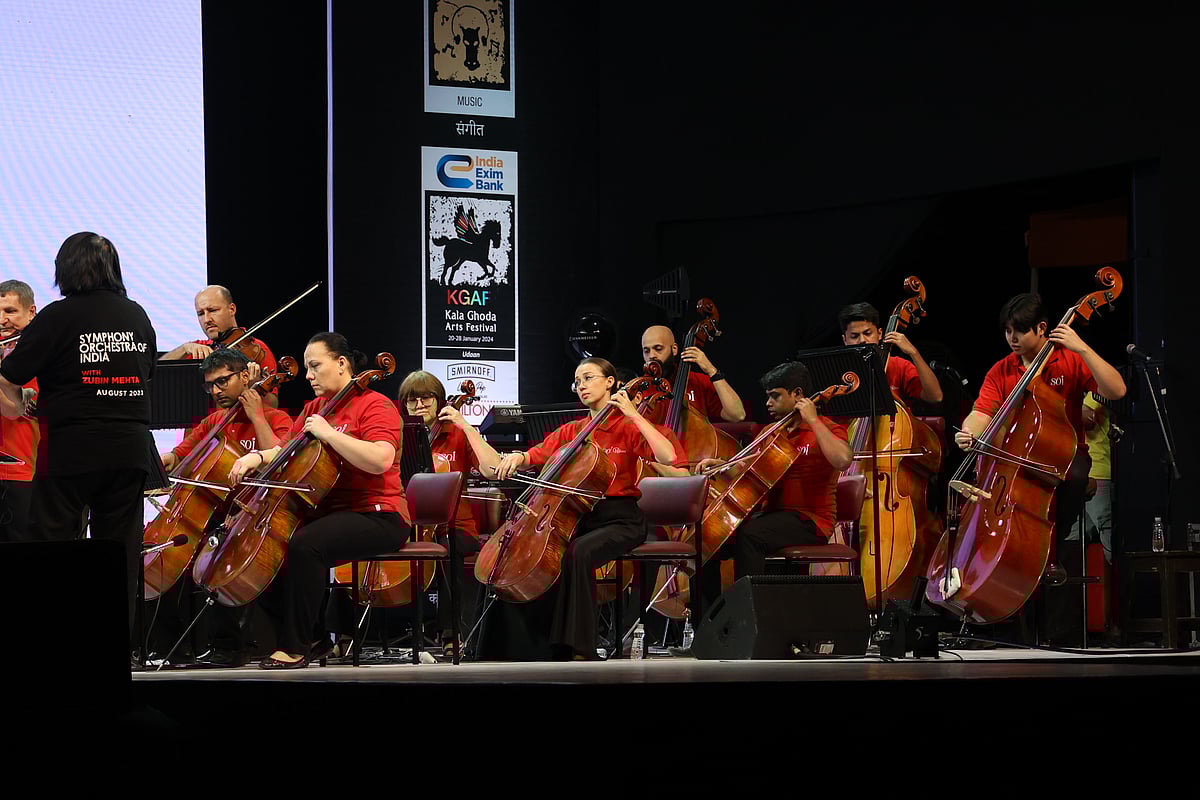
The theme this year is Ahead Of The Curve. Where did that come from? “Well… last year was our 25th year. So the first thought for this year was – what more after 25… what next? And we wanted to say that we are going ahead, doing more… that’s why Ahead Of The Curve… a step ahead of what we have done for so many years. In every which way possible,” Brinda signs off.

