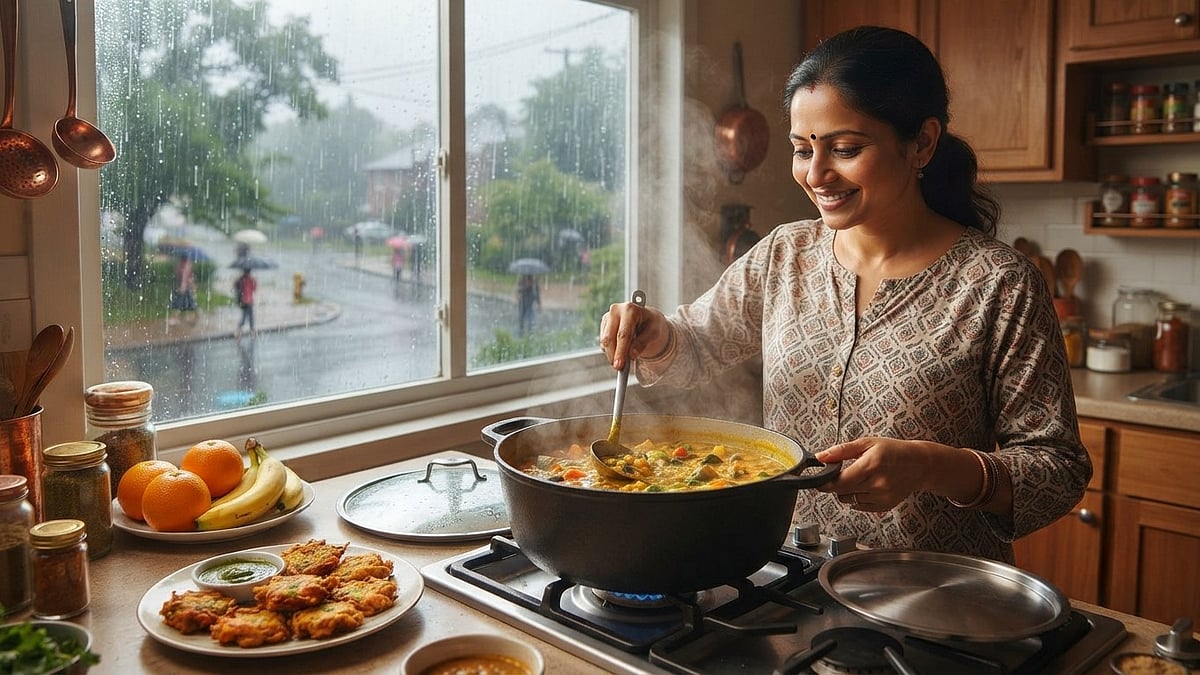
The arrival of the Indian monsoon provides a much-needed respite from intense summer heat, but it also triggers a massive spike in health emergencies across the country. Heavy downpours often overwhelm public sanitation systems, leading to severe urban flooding and water contamination. Because food and water safety are compromised during this period, local health experts, municipal corporations, and the Food Safety and Standards Authority of India (FSSAI) have issued strict advisories to curb a seasonal surge in gastrointestinal illnesses.
With humidity touching 90% in cities like Mumbai, Delhi, Kolkata, and Chennai, and waterlogging common across states, doctors say June to September is peak season for diarrhoea, typhoid, jaundice, and stomach infections.
Experts say your immunity matters just as much as your kitchen hygiene this season, with more focus on children's health. “I have noticed that under-nourished children with low immunity are the ones falling prey to infections. So, doubling up your child’s nourishment with vegetables, milk, and fruits will help them combat and enjoy the season. Take care that you eat a balanced and protein-rich diet. Fried snacks seem really tempting in the monsoon, but keep it in moderation once in a while. One must definitely not give in to the temptation of eating junk food under any circumstances. It is very dangerous. Opt for hot foods like soup and cooked meals instead of cold and raw foods,” says Dr Nupur Krishnan, Clinical Nutritionist.
Why Indian food gets riskier in monsoon
The heightened risk boils down to three factors: heat, humidity, and poor drainage. Grains develop fungus, cut fruits attract flies within minutes, and street vendors frequently reuse contaminated water or oil. During heavy rains in tier-1 and tier-2 cities, municipal water lines often get mixed with overflowing sewage lines, creating a primary vector for typhoid, cholera, and gastroenteritis. “High humidity during the monsoon creates the perfect environment for bacteria such as E. coli, Salmonella, and Bacillus cereus to multiply rapidly, making food poisoning far more common. Safe food handling is just as important as choosing nutritious foods. Freshly prepared meals are always the healthiest choice during the monsoon. Proper storage and food hygiene not only prevent infections but also help preserve the nutrients in your meals, supporting immunity and overall gut health during a season when digestive illnesses are at their peak,” says Prachi Mandholia, Clinical Nutritionist.
What to do?
Water and beverages
Boil or purify: Do not drink tap water directly, even in metros. FSSAI recommends boiling water for at least one minute or using an RO + UV purifier. Change your purifier filters every 3–4 months.
Avoid roadside drinks: Stay away from roadside jaljeera, aam panna, sugarcane juice, and lemon juice made with commercial ice cubes or tap water. Avoid pani puri water stored in open drums, as well as golas and kulfis from unknown brands.
Traditional storage: At home, store water in steel, copper, or silver vessels, which naturally help kill germs. Change the water daily and never leave containers open overnight.
Street food: Freshly hot or skip it
Safe choices: Stick to freshly fried, piping-hot options where intense heat effectively destroys surface pathogens. Safe bets include vada pav, samosa, kachori, kanda bhajia (fried fresh), boiled cutting chai, and corn bhutta roasted directly on the charcoal spot.
High-risk items: Completely avoid bhel-puri or sev puri featuring raw chutneys sitting in open buckets. Skip dahi vada, dahi bhalla, mayonnaise rolls, and raw garnishes. Always ask your local vendor to skip raw onions, cabbage, or coriander on top of your dishes, as these easily trap dirt, bacteria, and insect larvae during transport.
Fruits, vegetables and salads: Peel and cook thoroughly
Diligently wash produce: Thoroughly scrub all fruits and vegetables under clean, running water. For green leafy vegetables (like spinach, cabbage, and cauliflower), use a salt, vinegar, or baking soda soak to draw out hidden mud, dirt, and worms.
Skip raw salads: Avoid raw salads and raw sprouts completely, especially when dining out. Raw chopped ingredients spoil incredibly fast in humid weather. Instead, steam or cook your sprouts and substitute raw salads with hot vegetable broths or cooked soups.
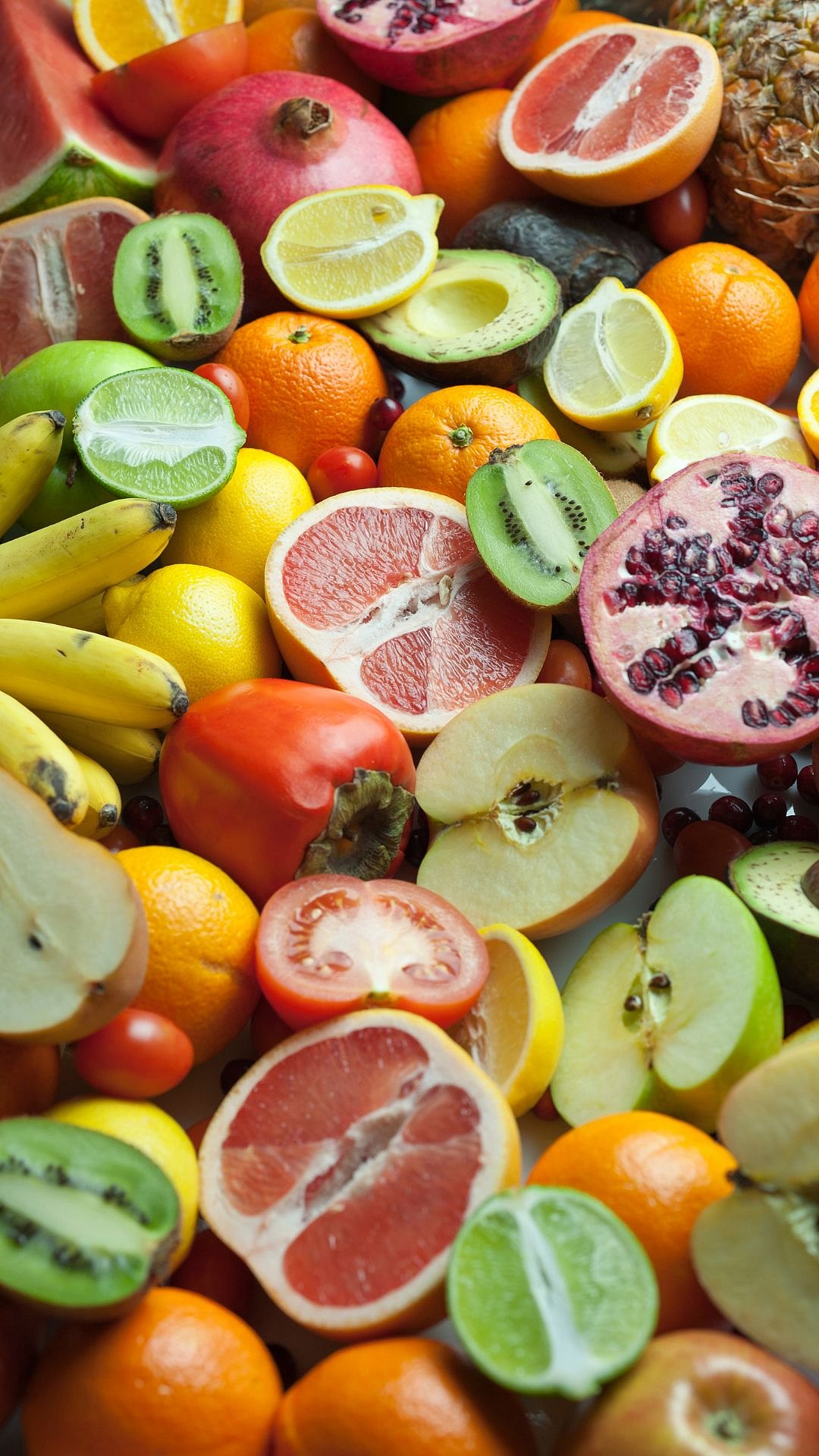
Choose whole fruits: Avoid pre-cut fruits (like watermelon, pineapple, or papaya) sold on open thelas or refrigerated for long periods. Instead, buy whole fruits with natural protective skins — like bananas, oranges, pomegranates, and guavas — and peel them yourself. Avoid mangoes once the heavy monsoons fully set in.
Opt for seasonal gourds: Prioritise seasonal Indian gourds like bottle gourd (lauki) or bitter gourd (karela), which have lower natural moisture content and spoil less quickly than leafy greens.
Home kitchen hygiene and leftover storage
Pest and fungus control: Protect your dry pantry by storing atta, rice, dal, and poha in airtight containers with 2–3 neem or tej patta (bay leaves) to prevent pest infestations.
Sanitise cooking surfaces: Routinely disinfect kitchen countertops, cutting boards, and knives. Keep chopping blocks scrupulously clean to prevent cross-contamination.
Two-hour rule: Do not leave cooked food at room temperature for more than two hours. Perishable items like milk, curd, paneer, cooked dal, and meat must be transferred to shallow, airtight containers and refrigerated promptly.
Reheat thoroughly: Bring refrigerated gravies, curries, dals, or rice to a full boil or steaming hot temperature before eating to destroy any microbial growth. Avoid repeated cooling and reheating, as it degrades nutrients and increases contamination risks; only reheat the portion you intend to eat.
Handle dairy safely: Refuse all dairy products unless they are properly pasteurised. Boil milk even if it comes packaged. Homemade curd, lassi, and buttermilk are generally safer than raw milk, but avoid cold lassi or ice creams from unverified sources. Keep cheese strictly refrigerated.
Immunity-boosting and digestion tips
Incorporate spices: Add ginger, garlic, turmeric (haldi), carom seeds (ajwain), black pepper, and cumin (jeera) to your dals, kadhas, and chai to assist digestion and combat flatulence.
Eat warm: Prioritise warm, easily digestible comfort foods like khichdi, fresh dal-chawal, and hot vegetable soups. Skip cold fridge food.
Probiotics: Include fresh, homemade curd and buttermilk to strengthen your gut flora.
Herbal teas: Drink tulsi, ginger, and cinnamon tea instead of cold carbonated drinks.

