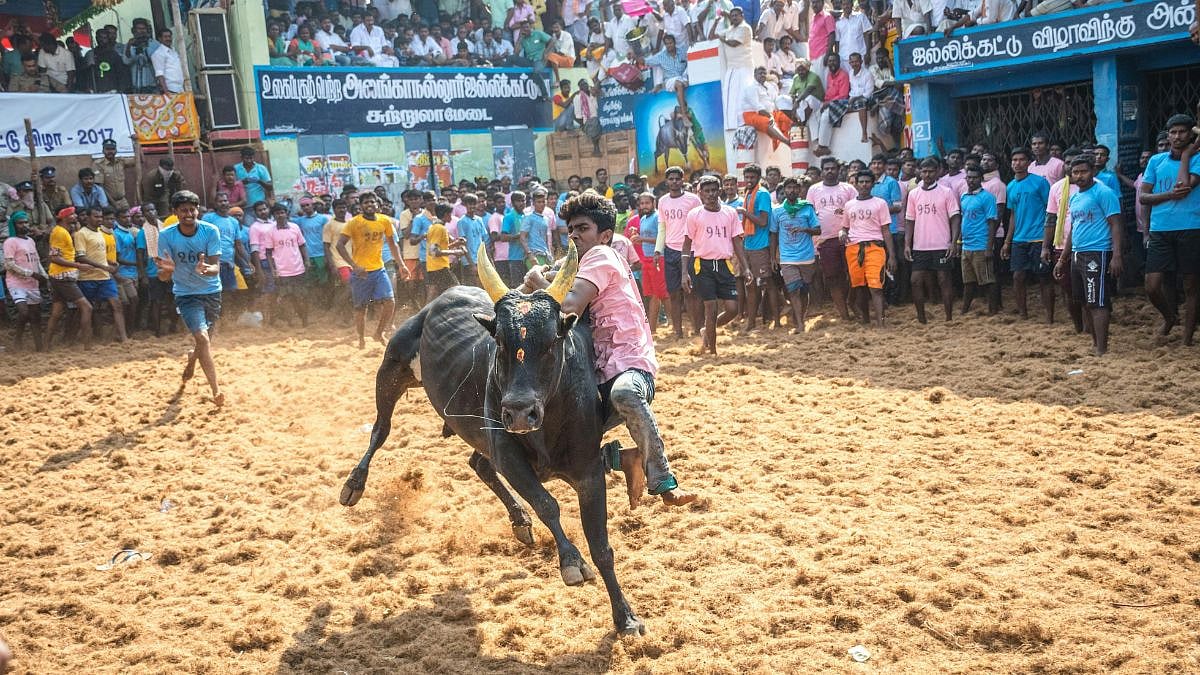
Chennai: Pongal is one of the most vibrant festivals in Hinduism, primarily celebrated in Tamil Nadu. This traditional harvest festival is observed over four days and is also celebrated in states such as Andhra Pradesh, Karnataka, and Puducherry. The four days of Pongal include Bhogi, Thai Pongal, Mattu Pongal, and Kaanum Pongal. The third day of the festival, known as Mattu Pongal, is particularly significant. In 2026, the festival will be celebrated on Friday, January 16.
Mattu Pongal celebrates Jallikattu
Mattu Pongal literally means Cow Pongal. On this day, animals are bathed and decorated with colourful ropes, bells, and garlands, and their horns are polished. On this day, a popular sport called Jallikattu is held, a bull-taming event in which a bull is released into a crowd, and men try to hold onto its hump to stop it or remove flags tied to its horns. The term Jallikattu is composed of two Tamil words, Jalli (coins) and Kattu (tied), referring to coins once tied to the bull's horns. It is also known as Eru Thazhuvuthal (embracing the bull) or Manju Virattu.
About Mattu Pongal
Mattu Pongal recognises the essential role of cows, bulls, and oxen in agriculture and rural livelihoods. Cattle play a vital role in farming, especially in plowing fields and transporting goods. For centuries, they have been considered a farmer's best companion. Mattu Pongal is a day to thank these animals for their hard work and contributions. The word 'Mattu' means cattle, and this festival reflects the deep connection between humans and animals, emphasising gratitude and respect for nature.
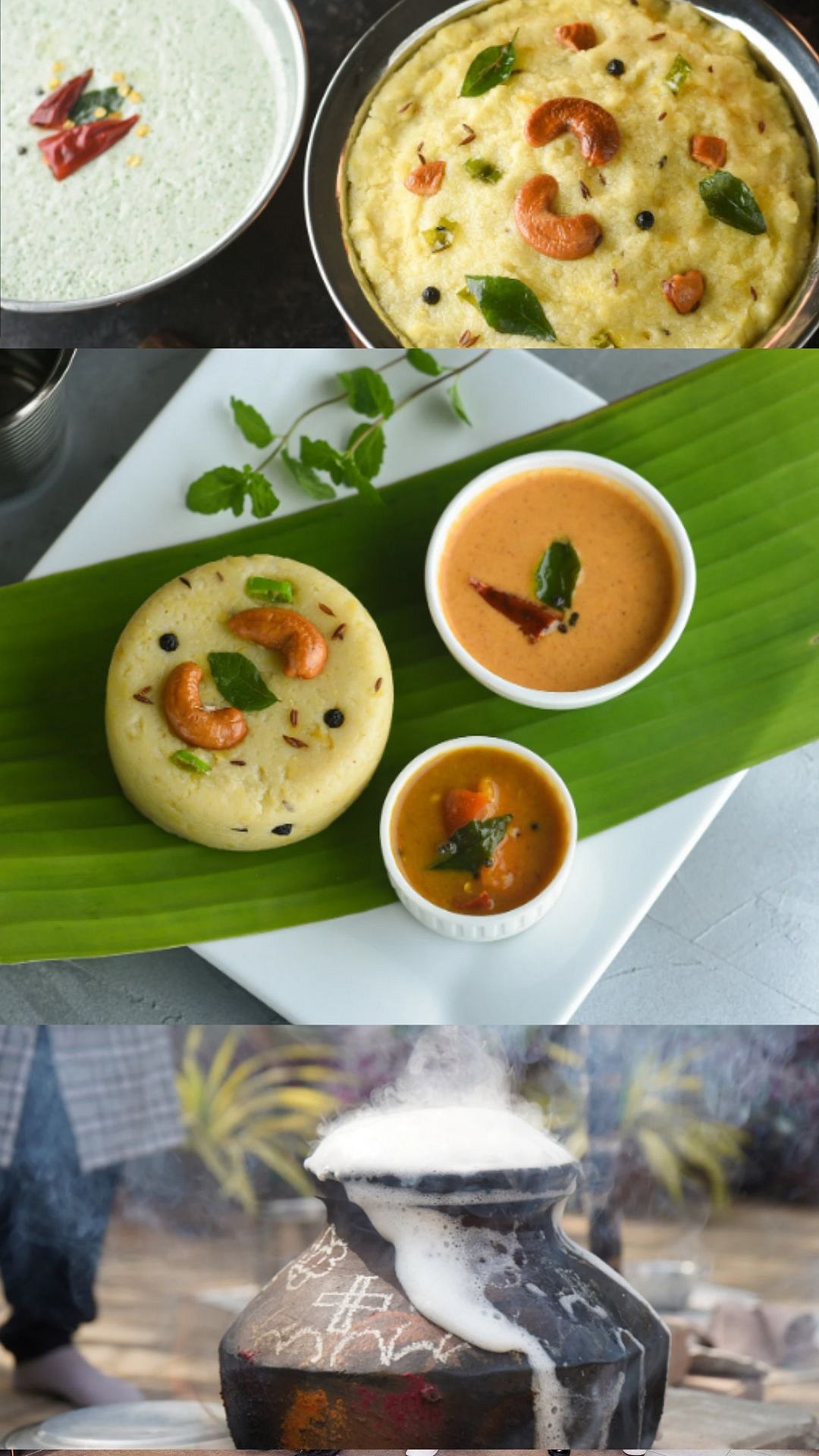
Mattu Pongal: Linked to the Hindu mythology
Mattu Pongal is also associated with the legend of Lord Shiva and his bull, Nandi. According to legends, once upon a time, Lord Shiva's vahana, Nandi, accidentally delivered the wrong message to humans, leading to a life of hard work for both humans and cattle. Mattu Pongal is seen as a symbolic reminder of that story, reinforcing the bond between humans and cattle.

