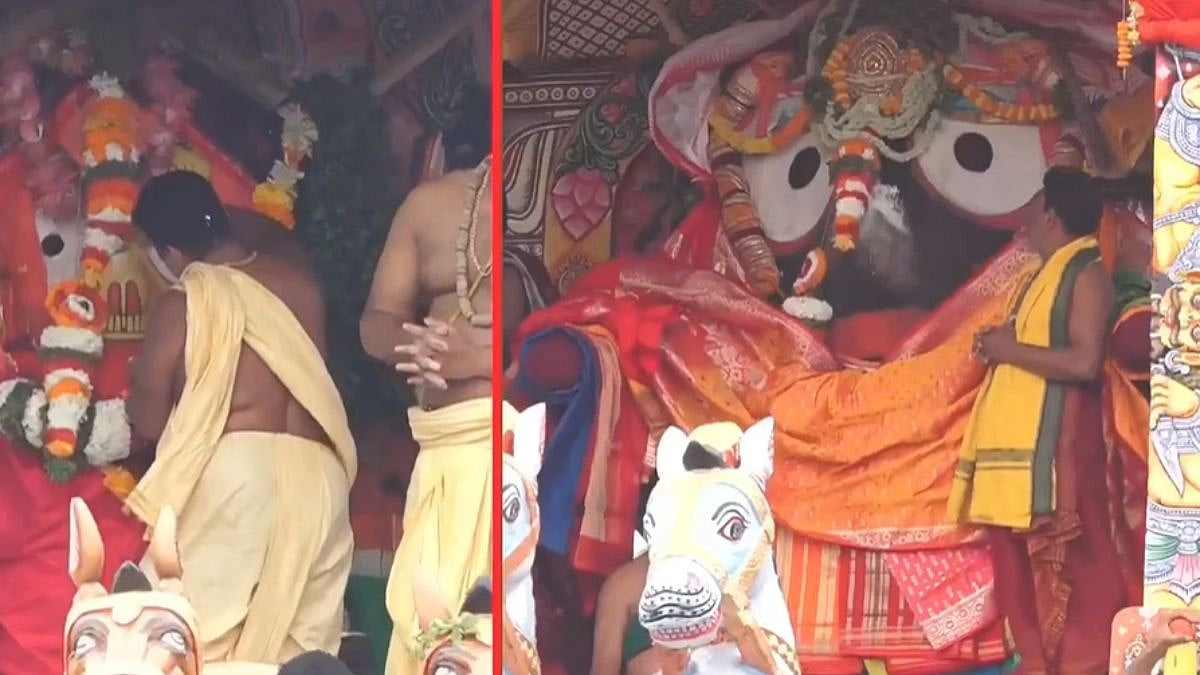
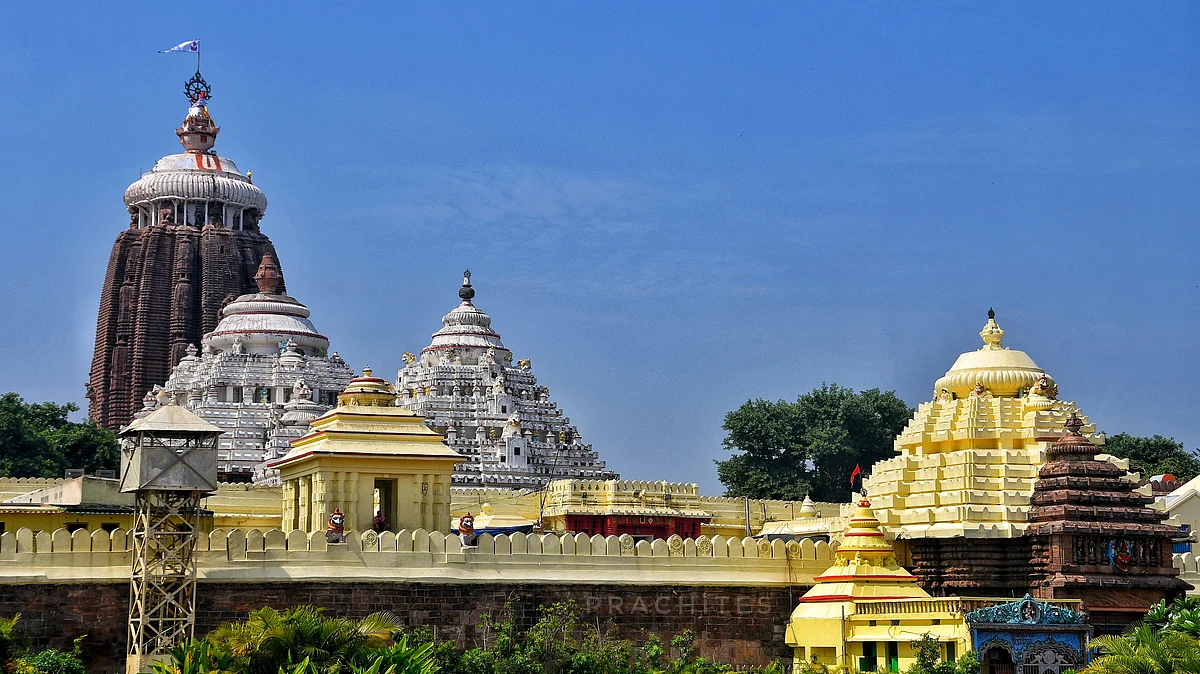
Jagannath Rath Yatra is one of the sacred observances in Hinduism, which is predominantly celebrated in the holy town of Puri, Odisha. This year, the festival began on July 16 and on Friday, July 25, Lord Jagannath, who visited Gundicha Temple with his siblings to stay at his aunt's home for nine days, finally returned to his abode with elder brother Balabhadra and Subhadra. Today, on Saturday, the revered Suna Besha (Golden Attire) of Lord Jagannath and His siblings will be observed. Sacred rituals are already taking place on the chariots parked at the Singhadwara (Lions' Gate) of the Jagannath Temple in Puri, Odisha, and four other times a year inside the temple on the Ratna Singhasana.
Suna Besha ritual in Puri
On Saturday, July 25, 2026, the Suna Besha ritual will take place, with the deities adorning magnificent golden ornaments while seated on their respective chariots before returning to the sanctum sanctorum of the Shree Jagannath Temple in Puri. To witness the sacred ritual, thousands of devotees have gathered in large numbers from across the country. Many are watching in person in Puri; meanwhile, those who couldn't visit the temple can watch it live on television and web broadcasts. The Suna Besha ritual takes place on Ashadha Ekadashi (the day after Bahuda Yatra), where the deities are decorated with over 200 kg of gold in Puri.
According to the prescribed schedule of rituals, the Suna Besha will commence today at 5 PM and will continue until 11 PM, after which the ornaments will be removed during the ceremonial Mailam ritual (daily ceremony at Shree Jagannath Temple).
Origins and adornments
During Suna Besha, the sibling deities are adorned with magnificent gold ornaments, presenting a breathtaking sight for devotees. The tradition is believed to have been introduced during the reign of Gajapati King Kapilendra Deva in the 15th century after his victorious military campaigns. As an offering of gratitude to Lord Jagannath, the king donated a large quantity of gold, which has since been used to decorate the deities during this sacred occasion.
For the ritual, Lord Jagannath is decorated with golden hands (Suna Hasta), golden feet (Suna Pada), a golden Sudarshan Chakra (disc), a silver conch, a golden crown, necklaces, and several other ornaments. Lord Balabhadra and Devi Subhadra are also adorned with elaborate gold jewellery, transforming the three deities into a dazzling divine spectacle.
Spiritual significance
The Suna Besha ceremony is considered highly auspicious, and it is believed that witnessing the deities in their golden attire brings prosperity, peace, and spiritual blessings. Since the deities remain on their chariots, lakhs of pilgrims who cannot enter the Jagannath Temple also get an opportunity to seek their darshan.
Security arrangements
Security has been tightened across Puri as massive crowds continue to arrive for the event. Police personnel, disaster response teams, and volunteers have been deployed to ensure smooth crowd management and the safety of devotees.
Following Suna Besha, the deities will observe the Adhara Pana ritual before returning to the sanctum of the Jagannath Temple during Niladri Bije, which will be observed on Monday, July 27, 2026. It will mark the conclusion of the annual Rath Yatra celebrations.

