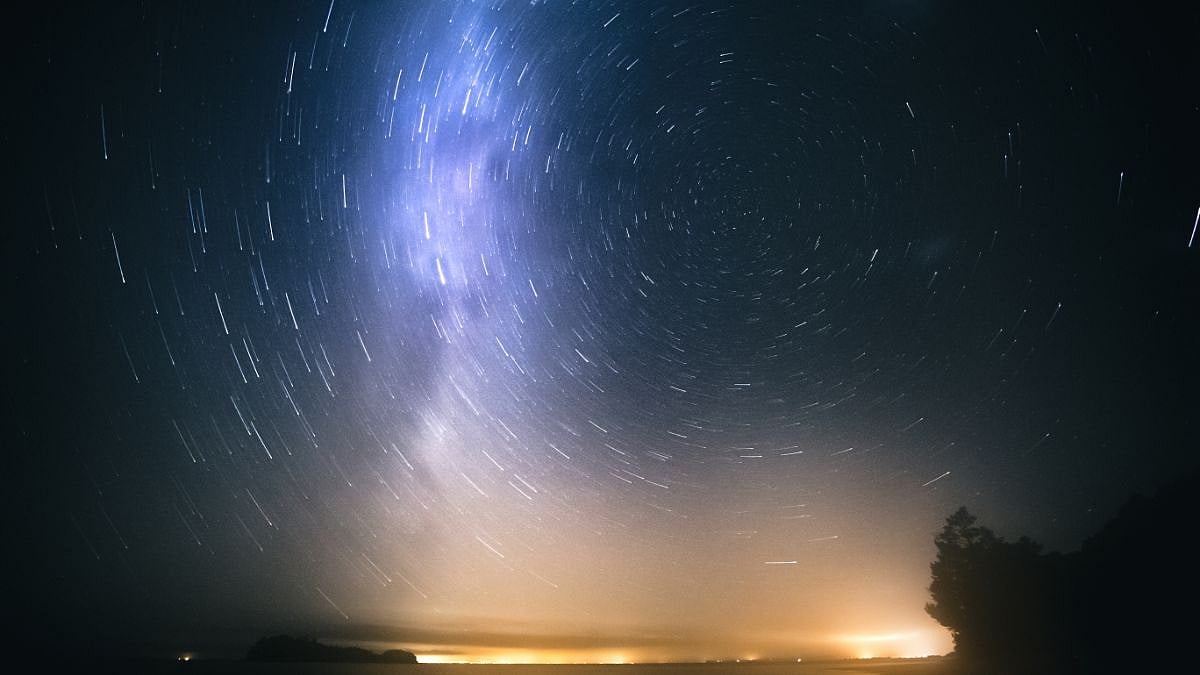
Stargazers and astronomy enthusiasts have another reason to look up at the night sky this November. The annual Leonid Meteor Shower, which is one of the most anticipated celestial events of the year, is active throughout November 2026. It is known for its bright, fast-moving meteors and occasional spectacular fireballs, and it offers an opportunity to witness nature's fascinating light show.
However, those planning to catch the spectacle from Mumbai should keep a few important details in mind.
Leonid meteor shower 2026
Leonid meteor is a streak of light in the night sky which is caused by a tiny piece of debris burning up in Earth's atmosphere during the annual Leonid meteor shower in November. This year, the meteor shower is active from November 6 to November 30, although its peak activity occurred around November 17 and 18, 2026. During the peak, observers generally have a better chance of spotting meteors. These meteors are named after the constellation Leo, from which they appear to radiate, and they typically peak every year in mid-November.
How can Mumbaikars watch the meteor shower?
Unlike solar or lunar eclipses, the Leonid Meteor Shower does not require special equipment or protective glasses. It can be observed with the naked eye. However, finding a location with minimal light pollution is essential for a better viewing experience.
Viewing conditions in Mumbai
Since Mumbai's bright city lights can make faint meteors difficult to spot, enthusiasts can consider heading towards areas away from the city's crowded and brightly lit neighbourhoods. Locations with a relatively clear, unobstructed view of the night sky offer better observing conditions.
Places to watch the meteor shower
Places that can be considered to watch the celestial event include Sandhan Valley, Bhandardara, Igatpuri, Mahuli Fort, among others. Remember that ideal dark-sky conditions are necessary for the celestial event.
What makes the Leonid meteor shower special?
The Leonids originate from debris left behind by Comet 55P/Tempel-Tuttle, whose dust trail Earth passes through every year. As Earth passes through this trail of cosmic particles, tiny fragments enter the atmosphere at extremely high speeds and create bright streaks of light. The meteors are particularly famous for their speed, travelling at approximately 71 kilometres per second.
Level up your brain the fun way. Play daily games and quizzes on FPJ Smart!

