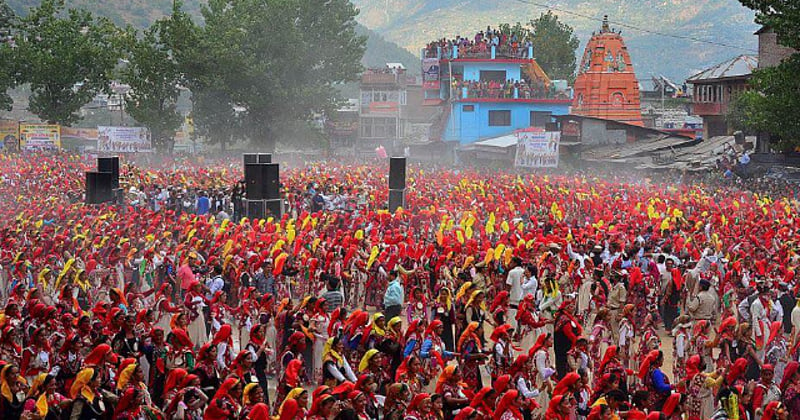
Just when Dussehra celebrations wrap up in most parts of India, Kullu in Himachal Pradesh gears up for a festival of its own. Here, the celebrations do not end with Ravana Dahan. Instead, the valley comes alive with colourful processions, traditional music, folk dances and a remarkable gathering of village deities. Known as International Kullu Dussehra, this centuries-old celebration brings together faith, folklore and local culture for an entire week.
Kullu Dussehra 2026 date
The International Kullu Dussehra will take place from October 21 to October 27, 2026, at the historic Dhalpur Maidan in Kullu, Himachal Pradesh. The seven-day festival begins a day after Vijayadashami, which falls on October 20 this year. The opening day is marked by the traditional Rath Yatra of Lord Raghunath, the presiding deity of the Kullu Valley.
Why does Kullu Dussehra begin after Vijayadashami?
Unlike Dussehra celebrations in many other parts of the country, where the burning of Ravana’s effigy marks the festival’s culmination, Kullu’s festivities begin on Vijayadashami and continue for seven days. The difference is rooted in the region’s distinctive religious traditions and its devotion to Lord Raghunath.
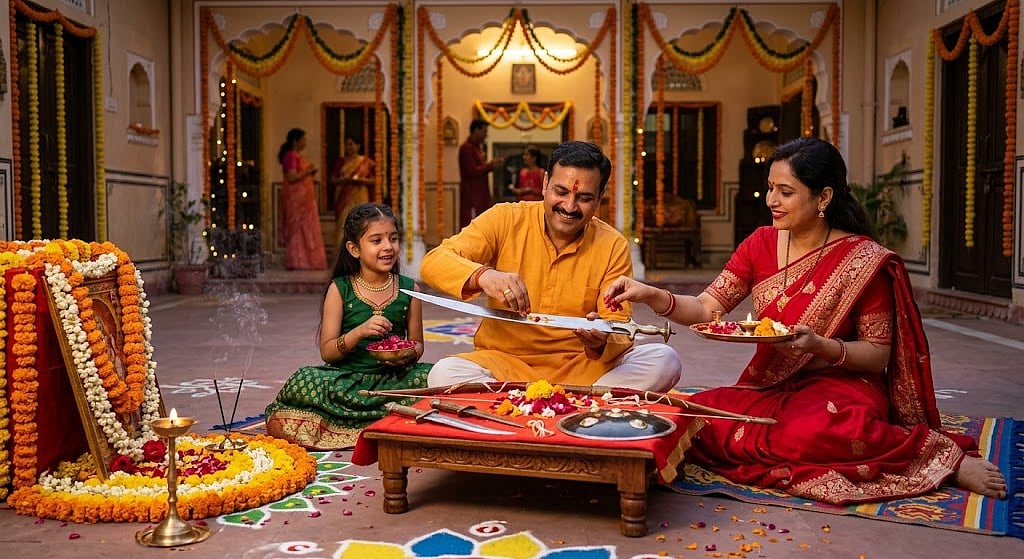
The festival’s origins are traced to the 17th century, during the reign of Raja Jagat Singh. According to a widely recounted legend, the king brought an idol of Lord Raghunath from Ayodhya and installed it in Kullu. The deity eventually became the presiding figure of the valley, and the festival developed around the worship and ceremonial honouring of Lord Raghunath. This tradition gives Kullu Dussehra its own identity, distinct from celebrations centred primarily on Lord Rama’s victory over Ravana.
What happens during Kullu Dussehra?
Kullu Dussehra begins with the grand Rath Yatra of Lord Raghunath, whose decorated wooden chariot is pulled by devotees through Dhalpur Maidan amid prayers and traditional music. The festival also witnesses hundreds of village deities arriving in decorated palanquins to pay their respects to the presiding deity, reflecting Himachal Pradesh’s unique Dev Sanskriti, or deity culture.
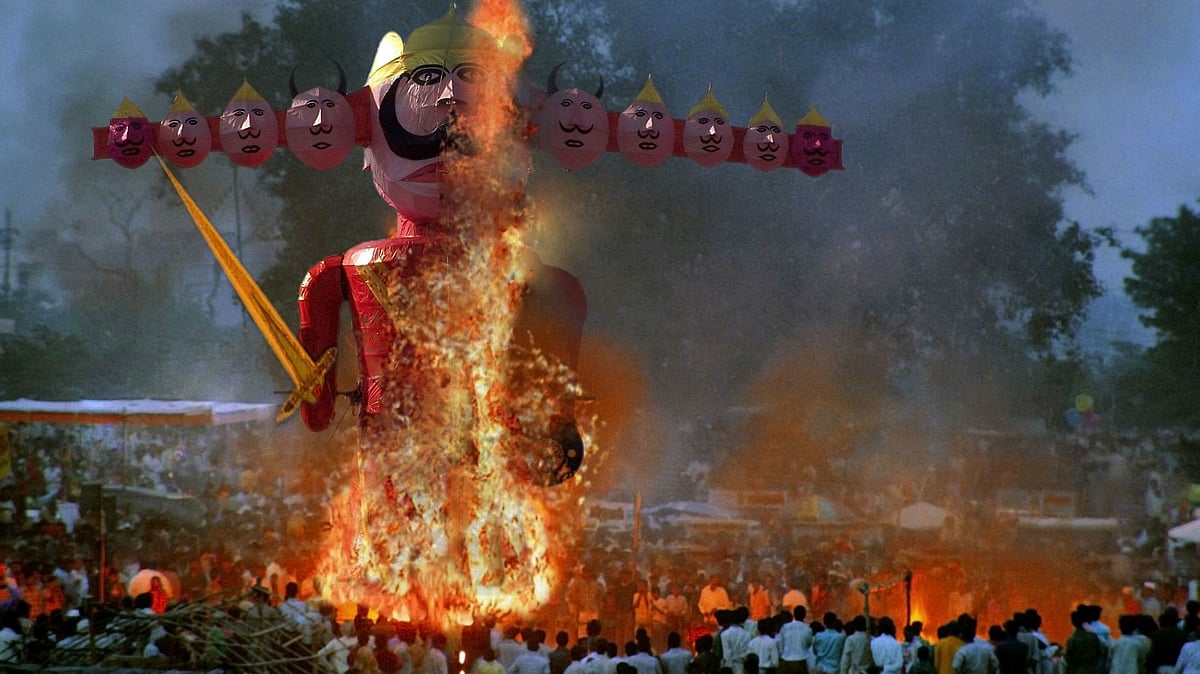
The week-long celebration features traditional Himachali music, Nati folk dances, cultural performances and local customs, bringing communities together to celebrate their heritage. The festivities conclude with traditional ceremonies, including Lanka Dahan, symbolising the triumph of good over evil.

