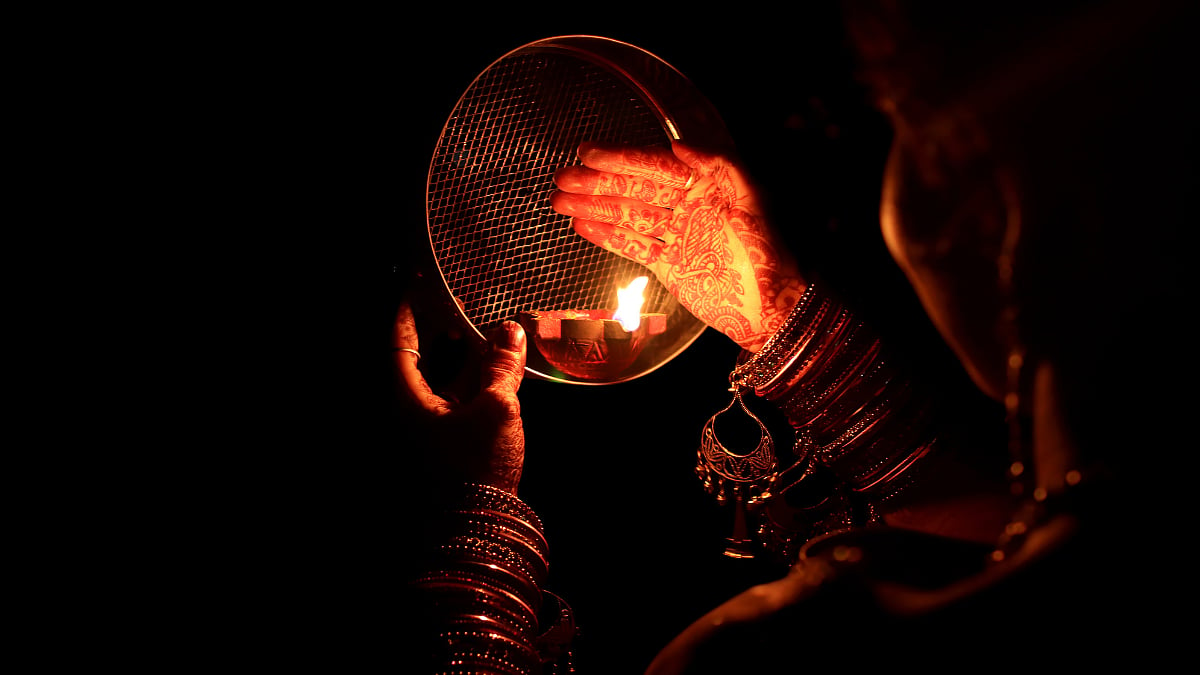
Karwa Chauth is often associated with married women praying for their husbands’ well-being, but the festival can hold a different meaning for those who are yet to marry. Some unmarried women also observe the fast, hoping to find a compatible life partner or seeking blessings for a happy married life. With Karwa Chauth falling on Thursday, October 29, 2026, here is what unmarried women should know about the tradition and its rituals.
Can unmarried women keep Karwa Chauth fast?
Yes, some unmarried women choose to observe Karwa Chauth, although the practice is not universal and customs differ across families and communities. While married women traditionally fast for their husbands’ longevity and well-being, unmarried women may observe it with the hope of finding a suitable partner. Women who are engaged may also choose to pray for their fiancé’s well-being and a happy future together.

There is no single set of rules followed by all unmarried women. The decision to fast, the prayers offered and the way the fast is concluded can depend on personal beliefs and family traditions. Observing the fast is voluntary, and unmarried women do not necessarily have to follow every ritual associated with married women.
How can unmarried women observe Karwa Chauth?
Begin the day with morning prayers: Wake up early, bathe and wear clean clothes. Take a sankalp (intention) and pray to Lord Shiva and Goddess Parvati. Unmarried women do not need to follow the traditional sargi ritual.
Choose a fasting routine that suits you
Traditionally, the fast lasts from sunrise to moonrise. Read the Karwa Chauth vrat katha, chant prayers or participate in family rituals. Depending on their health, beliefs and family customs, unmarried women may opt for a flexible fast that allows water or fruits instead of a strict nirjala fast.

Participate in the evening puja
Join family or community prayers in the evening and worship Goddess Parvati, Lord Shiva and Chauth Mata. Since rituals vary across families and communities, follow the customs that align with your beliefs.
Offer arghya to the moon and break the fast
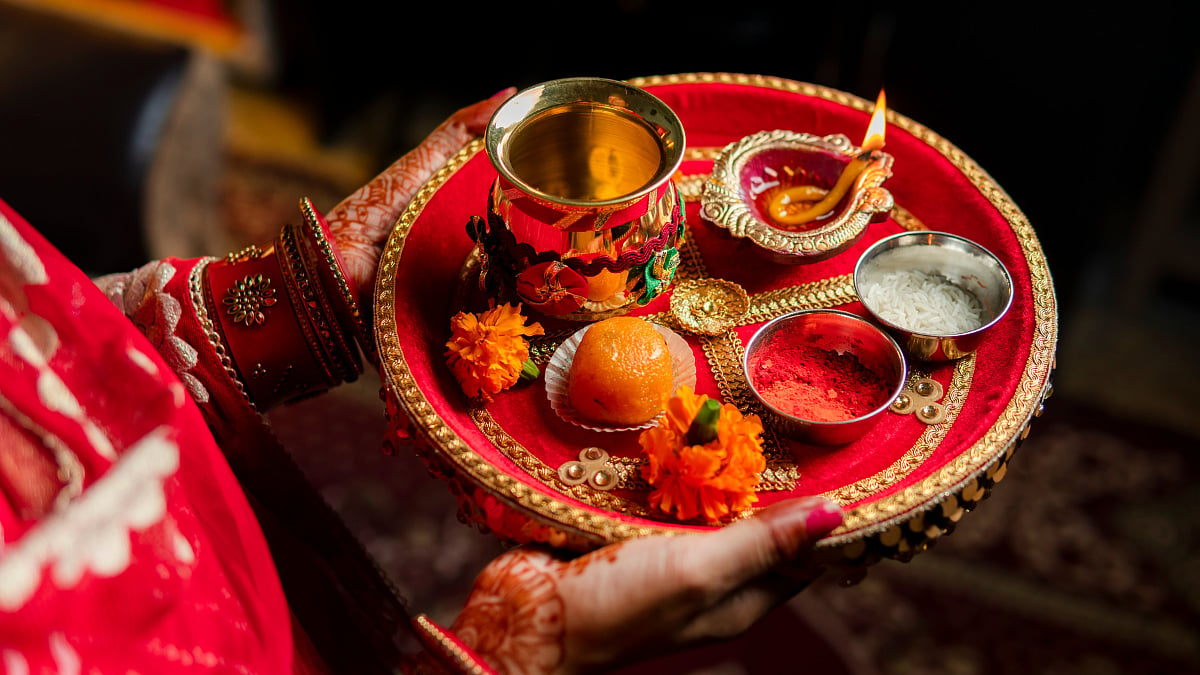
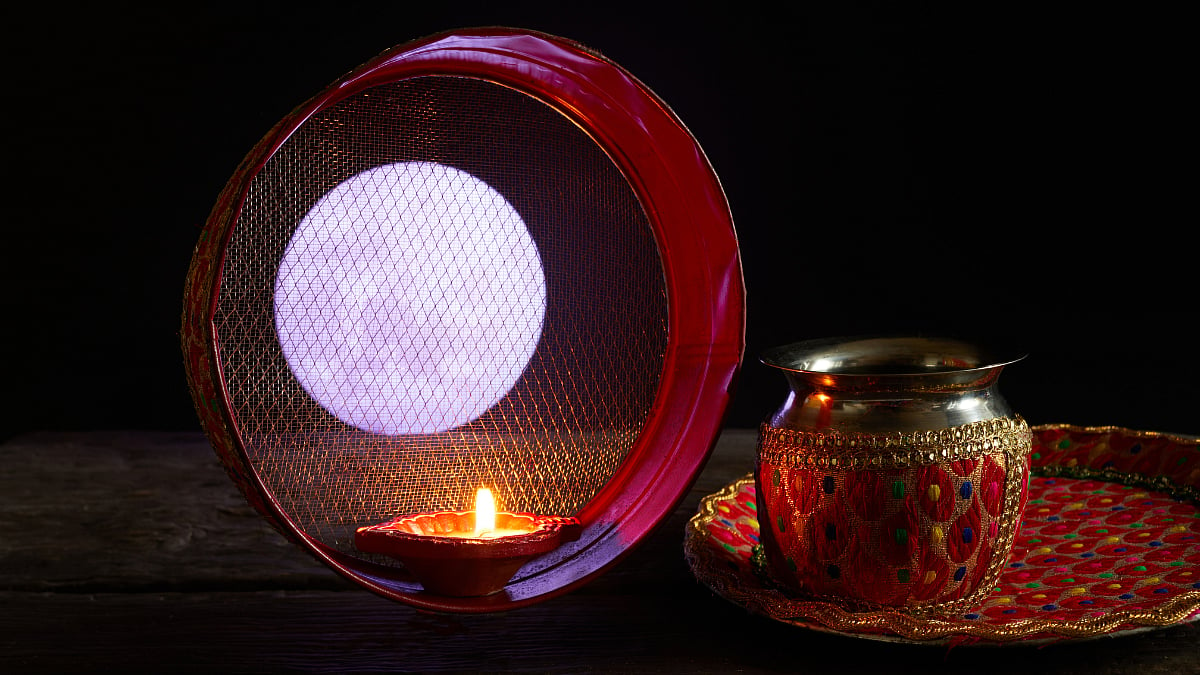
After moonrise, offer arghya (water) to the Moon and say your prayers. Prepare a puja thali with water, flowers, rice, roli, sweets and a diya, according to family traditions. The sieve ritual and receiving the first sip of water from a husband are not necessarily required for unmarried women. Conclude the fast according to personal and family customs, preferably with a light meal.
Note: Unmarried women can observe Karwa Chauth according to their beliefs and family traditions. However, those considering a strict fast should prioritise their health and avoid prolonged food or water restriction if it could be unsafe. The above article is for information purposes only.

