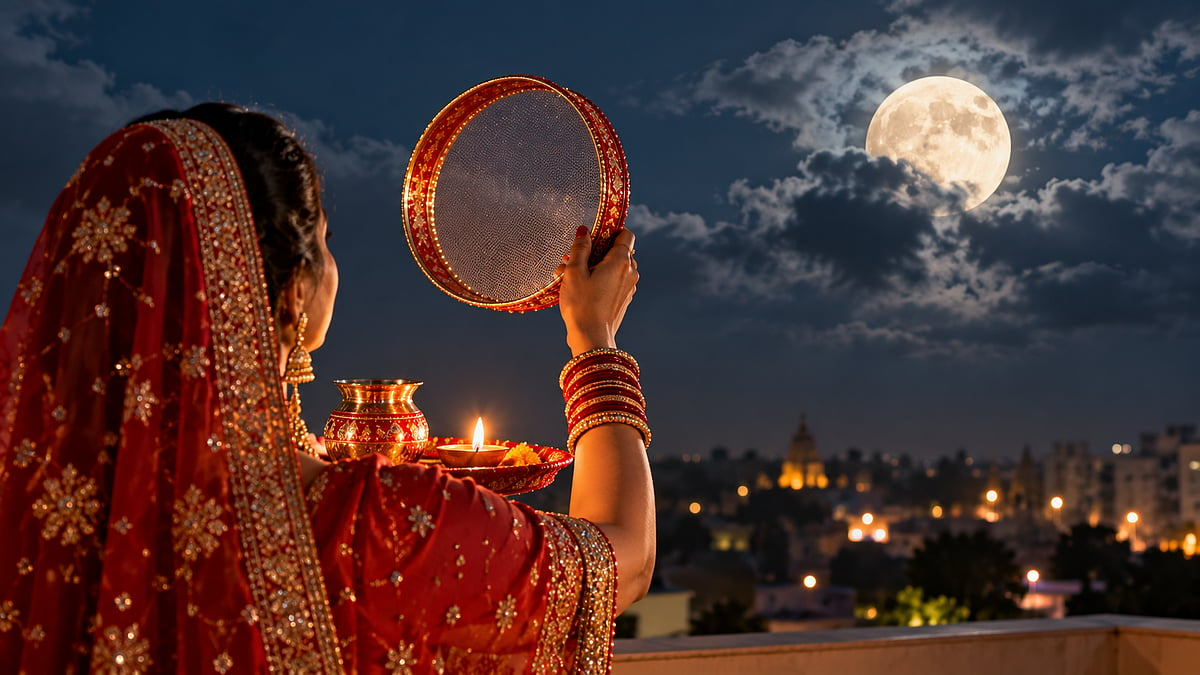
Karwa Chauth is being observed on October 29 this year, with the evening Moon sighting marking the end of the day-long fast for many devotees. After hours without food or water, the moment is often accompanied by prayers, traditional rituals and a meal shared with family. While customs differ across regions and households, the ceremony commonly includes offering water to the Moon, looking at it through a sieve and receiving the first sip of water from one's husband.
If you are observing the festival, knowing the customary sequence can help you prepare for the evening. Here is a step-by-step guide to the rituals followed by many families and how to ease back into eating after the fast.
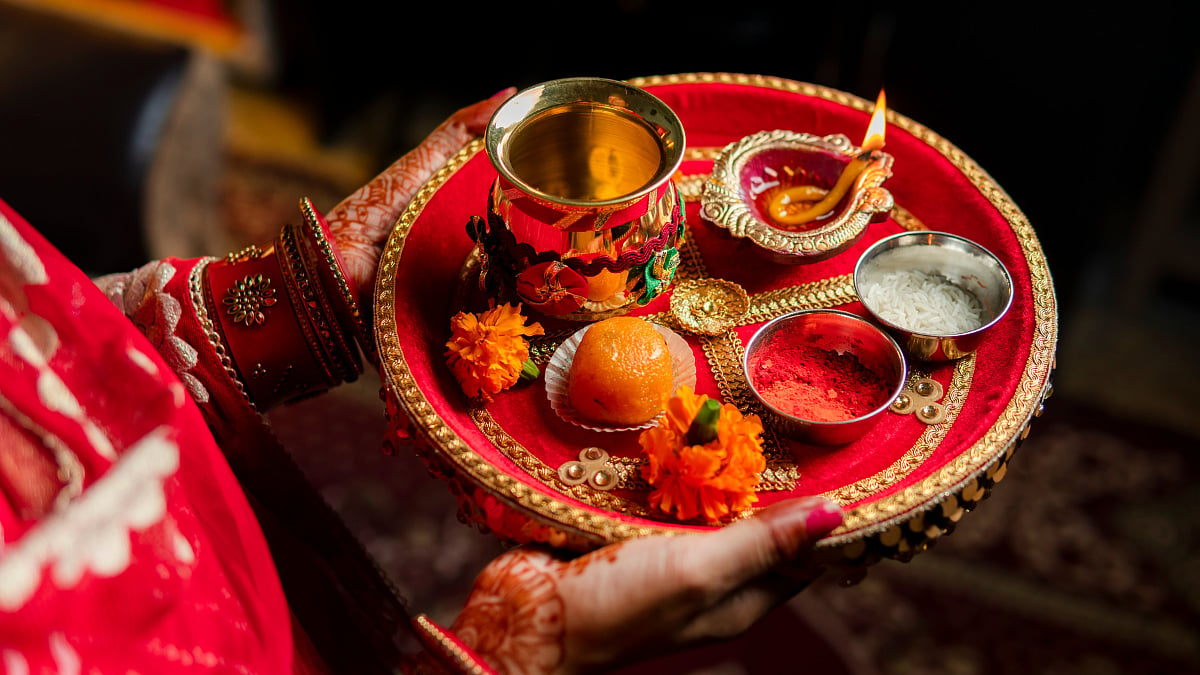
Step-by-step guide to break Karwa Chauth vrat
Karwa Chauth fast is traditionally concluded after moonrise. Check the moonrise time for your city, as it varies by location, and keep your puja thali ready in advance so you can begin the rituals when the Moon appears.
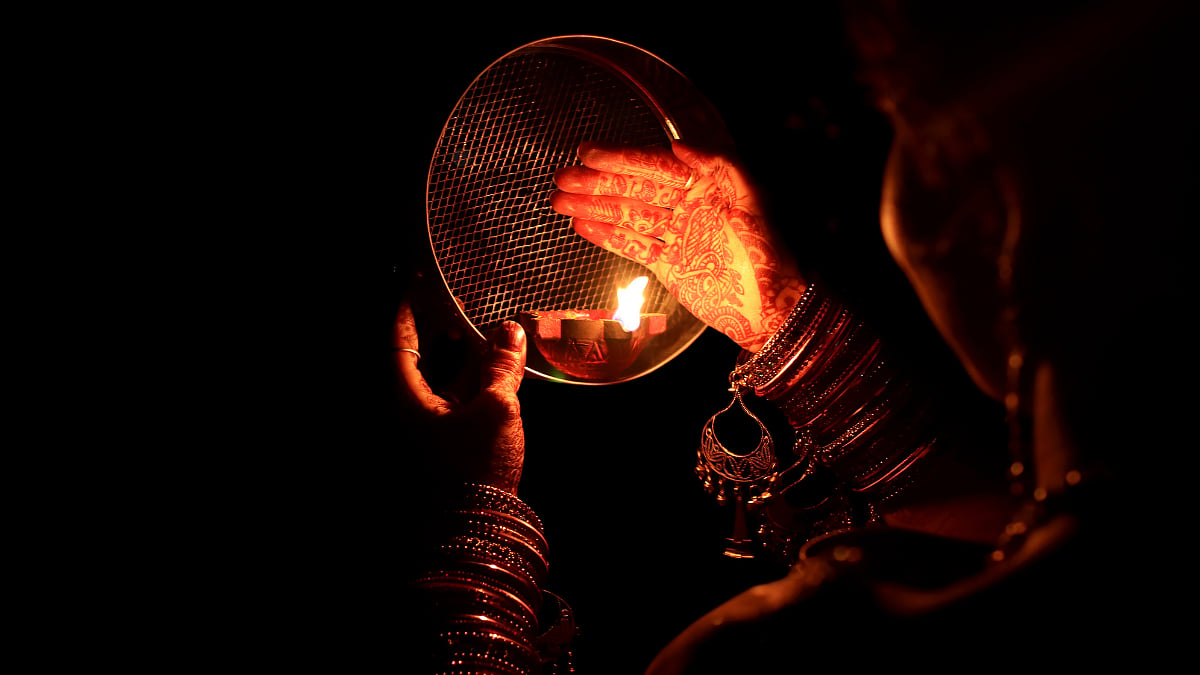
A customary part of the ceremony involves viewing the Moon through a sieve, known as a chhalni. The ritual is associated with devotion and is observed in many North Indian households.
After sighting the Moon, women traditionally offer arghya, a ritual offering of water, while saying their prayers. This is usually done with a small vessel or the karwa used during the puja.
In many families, the woman then looks at her husband through the same sieve. The moment is considered symbolic of the couple's bond and remains one of the most recognisable Karwa Chauth traditions. However, the order of these rituals may vary depending on family customs.
Once the prayers are complete, the husband traditionally offers his wife water to mark the end of her fast. Some families also follow the custom of offering a sweet or a small bite of food before the couple sits down for dinner.
What to eat after breaking Karwa Chauth fast?
After a full day of fasting, it is best to start with a few sips of water and drink at a comfortable pace. You can follow this with a small serving of fruit, a date or another light snack before eating a full meal. Avoid consuming too much food at once, even if you feel very hungry.
For dinner, choose something nourishing that feels easy on the stomach. Moong dal khichdi, dal and rice, lightly cooked vegetables with roti or vegetable daliya are some options. Eat slowly and pay attention to your body's needs instead of trying to make up for the entire day's meals in one sitting.

