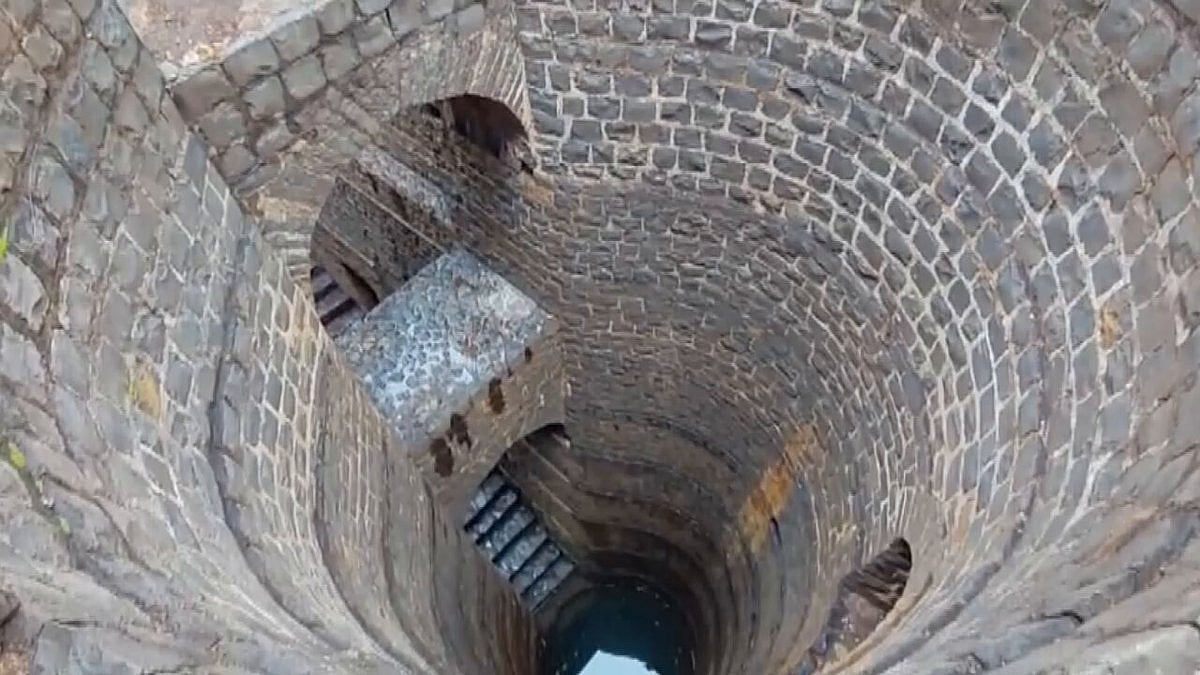
A forgotten piece of Karnataka's architectural heritage has been given a new lease of life after an extensive restoration uncovered a stunning 300-year-old stepwell in Belagavi district. Once buried beneath layers of garbage, dense vegetation and debris, the historic structure has now re-emerged in all its grandeur, astonishing visitors with its remarkable craftsmanship and unique Shiva Linga-shaped layout.
Located in Kanchaveer Nagar under the Mutaga Gram Panchayat limits in Belagavi taluk, the centuries-old stepwell lies close to the Belagavi-Sambra State Highway. Believed to date back nearly 300 years, the monument is around 80 feet deep and features 53 beautifully carved stone steps leading down into its depths.
WATCH VIDEO:
The restoration has also revealed impressive architectural details, including massive retaining walls, decorative arches and intricately designed niches that showcase the elegance of traditional Kannada craftsmanship. When viewed from above, the layout of the stepwell strikingly resembles the shape of a Shiva Linga, making it an even more fascinating heritage landmark.
Historians and local residents believe the structure was constructed during the Adil Shahi period, somewhere between the 15th and 17th centuries, although no official records identify the exact ruler responsible for its construction.
The stepwell was built using black stone held together with a traditional mixture of lime, jaggery and sand, a centuries-old construction technique that has helped preserve the monument's strength and stability despite the passage of time.
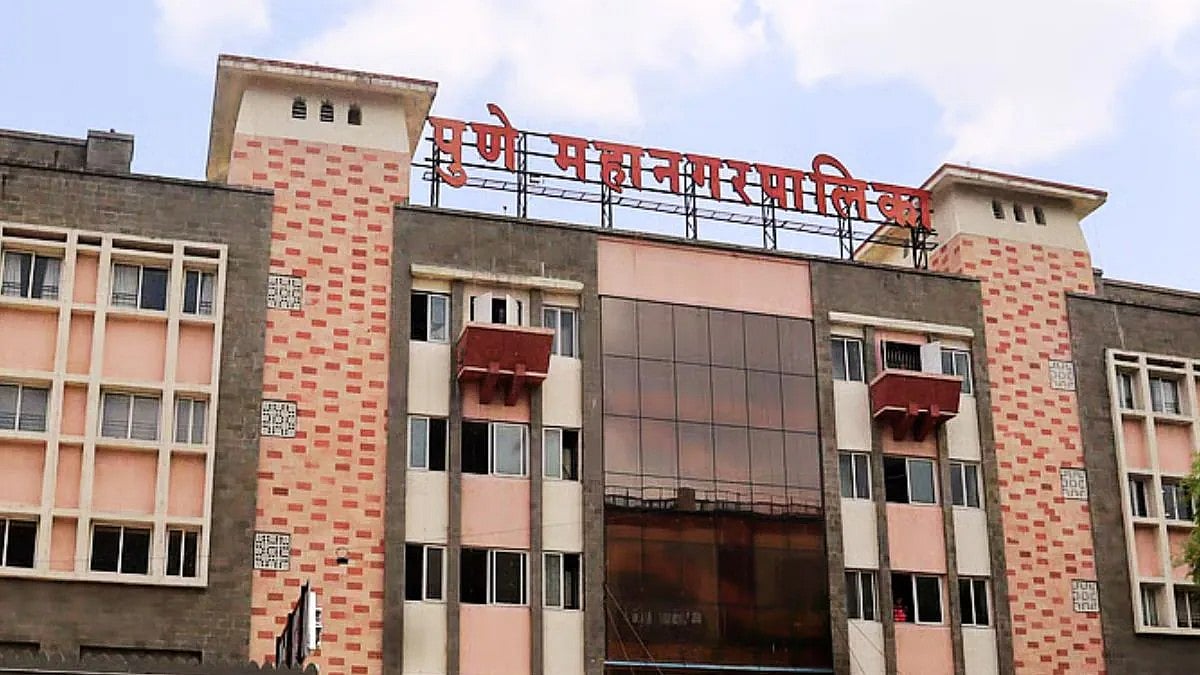
The revival project began after former Mutaga Gram Panchayat president Umesh Puri, along with local residents, approached the Belagavi-based Pyaas Foundation seeking help to restore the neglected structure. Following an inspection, Foundation president Dr. Madhav Prabhu and his team devised a restoration plan and carried out a month-long clean-up drive with the support of National Service Scheme (NSS) volunteers and members of the local community.

