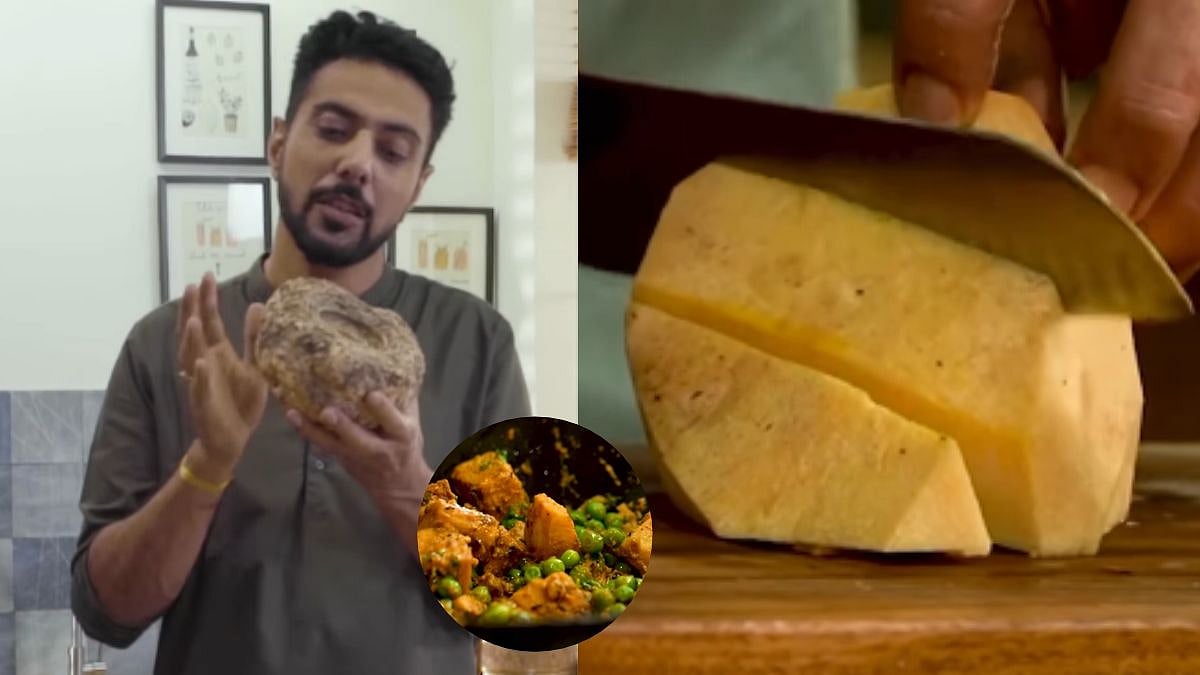
Chef Ranveer Brar, known for exploring India's rich and diverse culinary traditions, often sheds light on the fascinating stories behind traditional ingredients and regional recipes. One such ingredient is jimikand, also known as elephant foot yam, a root vegetable that holds a special place in Indian kitchens, particularly during festivals and traditional meals. In a recent video, the chef highlighted its benefits and cultural significance, explaining how even a small piece of jimikand can grow into a new plant when planted in soil. He also pointed out that just a small quantity of the vegetable is enough to prepare a meal for an entire family.
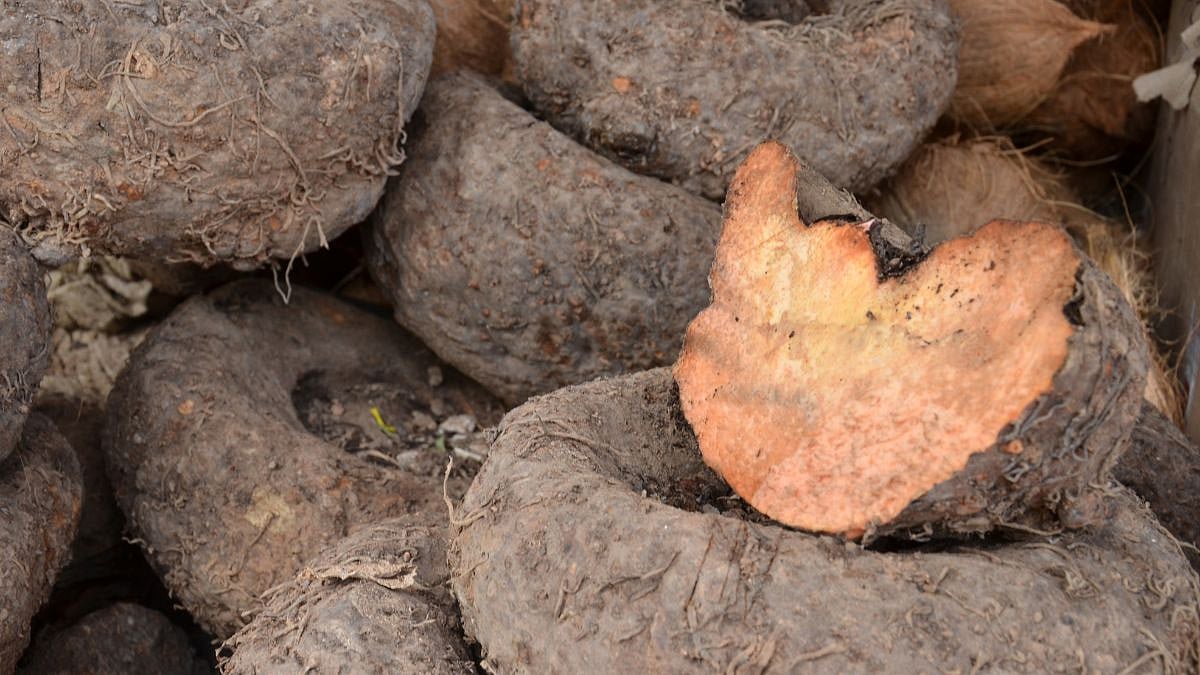
Jimikand is widely used in Indian cooking because of its earthy flavour, firm texture and versatility. From spicy curries to tangy preparations, the vegetable is prepared differently across regions, reflecting the country's rich culinary heritage.
Chef Ranveer Brar links Jimikand to cultural heritage
On Sunday, October 18, 2026, Chef Ranveer Brar talked about Jimikand, commonly known as Suran. He called it magical. Sharing the video in which he talked about how it is associated with Goddess Lakshmi, he captioned, "Magic kaho ya science, yeh सूरन kamaal ka toh hai. Sahi kaha na?' Associating Jimikand with Goddess Lakshmi, he said, "You can see small all around the vegetable and every piece has an ability to make the whole new fruit just like money." Because around the rough, rugged exterior surface and at the base, jimikand also forms small lateral buds or miniature corms (cormels). In the another video, he shared the full recipe of the vegetable.
What Is Jimikand?
Jimikand, scientifically known as Amorphophallus paeoniifolius, is a tropical tuber cultivated in several parts of India. It is commonly consumed in states such as Uttar Pradesh, Bihar, West Bengal and parts of southern India. Depending on the region, it is prepared as a curry, fried snack, pickle or dry sabzi.
The vegetable is also associated with festive cooking in some communities, where traditional recipes are passed down through generations.

Health Benefits Of Jimikand
Jimikand contains dietary fibre, which supports digestion and helps maintain bowel regularity. It also provides carbohydrates for energy and contains minerals such as potassium, along with other nutrients.
Its fibre content may help promote satiety when included in a balanced diet. However, the nutritional value of a jimikand dish depends on the cooking method and the quantity of oil, salt and other ingredients used.
Not only it has health benefits but the vegetable is traditionally important in India. In North India, particularly in Uttar Pradesh, Bihar, and Madhya Pradesh, cooking and eating Jimikand ki Sabzi or Bharta on the night of Diwali is a mandatory ritual. While, many prepare jimikand related recipes in Durga Puja.

