
As heavy monsoon showers lash the city, waterlogged infrastructure and rising humidity have triggered a sharp, predictable spike in complex gastrointestinal (GI) ailments across hospital OPDs. According to historical data tracked by the Integrated Disease Surveillance Programme (IDSP) under the Ministry of Health and Family Welfare, nearly 70% of all reported disease outbreaks in India are waterborne and foodborne, exhibiting a profound surge during the peak monsoon months. Recent clinical analyses indicate that atmospheric moisture above 80% accelerates bacterial replication cycles (such as Salmonella and E. coli) on open surfaces and improperly stored food by up to 40%, leaving the human digestive system highly vulnerable to acute infections.
To help navigate this high-risk season, experts help us map out a clinical, action-oriented defense blueprint focused on strict dietary safety and circadian lifestyle habits to maintain a resilient gut microbiome.
Why gut defense is crucial now?
Inside hospital OPDs, the onset of the rains marks an immediate shift in patient demographics and disease severity. Doctors observe that seasonal transitions place unique physiological stress on the alimentary canal. Dr Samir Parikh, gastroenterologist at Lilavati Hospital and Research Centre, Mumbai, explains the trend witnessed on the ground: “Every monsoon, we witness a significant rise in patients with enteric infections like typhoid, diarrhoea, leptospirosis, dengue, and malaria. Acute viral hepatitis caused by Hepatitis A and Hepatitis E viruses, presenting as jaundice, is also common. The severity of infections leading to gastroenteritis is usually high and often requires hospital admission. Respiratory and skin infections triggered by seasonal changes can worsen liver function in patients with pre-existing cirrhosis.”
The clinical reality underscores that monsoon GI distress is not merely limited to standard “stomach upsets”. The high hospital admission rates reflect aggressive pathogens that compromise the mucosal barrier, leading to severe systemic dehydration and electrolyte imbalances if left unchecked.
The dietary safety blueprint
Surviving the rainy season without a gastrointestinal crisis requires strict food-water vigilance. To establish a robust defense line, clinicians advise consuming strictly boiled, filtered, or purified water to eliminate waterborne pathogens at the source. Meals should be restricted to hot, freshly prepared home-cooked food, while pre-cut street fruits, open juices, and raw salads — which act as breeding grounds for bacteria in humid weather — must be completely avoided.
For internal biome reinforcement, the medical consensus is clear: simplicity beats exotic wellness alternatives. “Both curd and buttermilk are affordable, easily available, and a good source of good bacteria (lactobacillus). When consumed fresh, they both help in digestion,” notes Dr Parikh. He adds that while “boiled eggs and pasteurised milk are safe to consume in the monsoon,” individuals naturally prone to gastrointestinal gas should actively avoid fructose-rich fruits like apples and pears. Furthermore, the simple act of chewing food thoroughly can significantly aid digestion and prevent painful bloating caused by swallowed air.
Overcoming sedentary sluggishness and stress
While environmental pathogens act as external threats, internal lifestyle shifts during the rainy season subtly dismantle the gut’s defensive infrastructure. Reduced physical mobility due to heavy rainfall, combined with alterations in sleep architecture and sunlight deprivation, creates a cascading negative impact on regular digestion.
Dr Rishikesh Malokar, gastroenterologist at Zynova Shalby Hospital, Mumbai, notes that daily habits shift drastically as the rains roll in: “During the monsoon, many people eat at different times, stay indoors, exercise less and eat more fried or spicy food. These habits can affect digestion and upset the balance of good bacteria in the stomach. As a result, people may experience acidity, bloating, indigestion and constipation. Less sunlight can also lower vitamin D levels, which are important for good immunity and overall health.”
To counteract this, Dr Malokar highlights that the gut-brain axis must be managed through structured routines. Rain-induced confinement and disrupted schedules alter circadian rhythms, directly impacting sleep cycles and digestive speed. “Stress and lack of sleep can affect your stomach. When you are stressed or do not sleep well, your digestion becomes slower and you may experience acidity, gas, bloating or stomach discomfort. Poor sleep can also weaken your immune system, making you more likely to get stomach infections during the monsoon. Try to sleep for 7–8 hours every night and reduce stress through walking, yoga, meditation or other relaxing activities,” he advises.
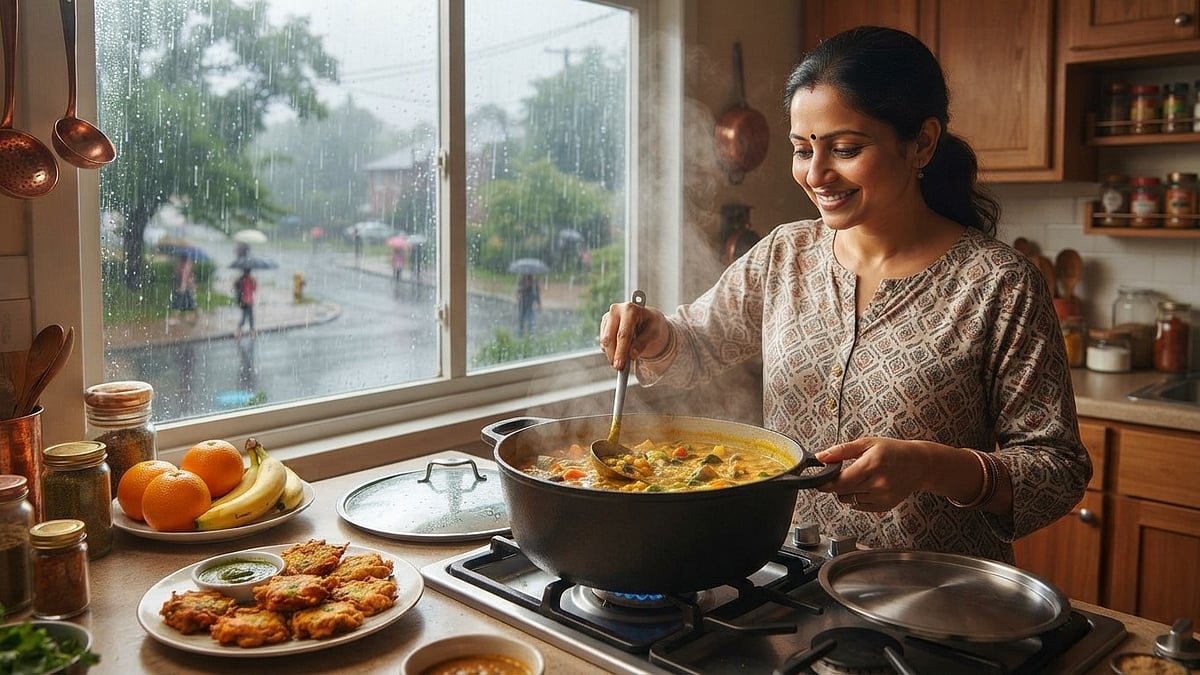
Structural habits around dining play an equally decisive role in mitigating nocturnal hyperacidity and reflux, which frequently worsen during sedentary monsoon weeks. Keeping a strict two to three-hour gap between dinner and bedtime. This gives the stomach enough time to digest food and helps prevent acidity, heartburn, and indigestion. Eating a light, freshly cooked dinner, avoiding oily, spicy, or heavy meals late at night, and incorporating a short walk after dinner alongside drinking enough water help optimise digestive motility.
When to bypass home remedies?
Ultimately, while establishing a daily gut protocol is vital for prevention, relying blindly on generic home remedies when severe symptoms manifest remains a critical mistake that clinicians warn against. As Dr Parikh cautions, “While many rely on home remedies, it is highly advised to consult a medical professional in case of fever, abdominal distension, or blood in the stools rather than taking home remedies.”

