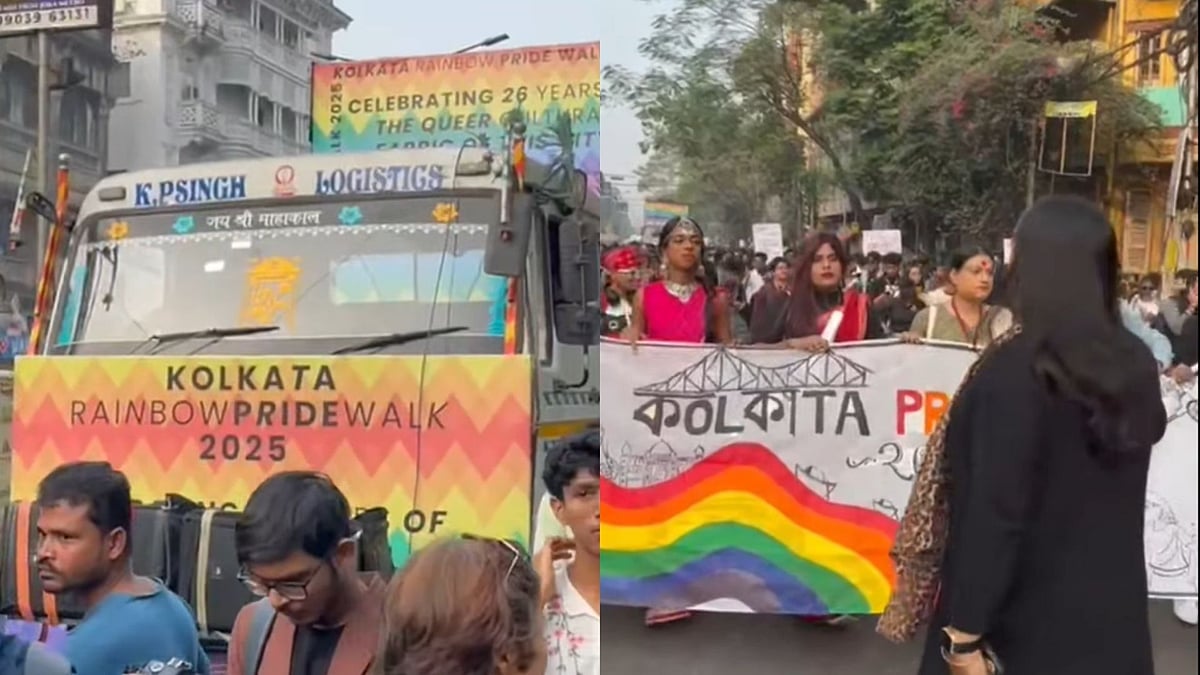
Kolkata witnessed a vibrant yet deeply political moment as the Rainbow Pride Walk 2025 unfolded across the city, marking 26 years of the city’s queer movement on the streets. The march began at Jatin Moitra Park near Girish Park Metro Station, passed through Ganesh Chandra Avenue and Chittaranjan Avenue, and concluded at Esplanade’s Y Channel, transforming some of the busiest roads into spaces of expression, solidarity and resistance.
Thousands march for equality and global justice
Queer individuals, trans persons, allies, activists and onlookers joined in large numbers, carrying rainbow flags and hand-painted placards. While music, dance and colour dominated the visuals, the messaging remained firmly political. Protesters raised slogans demanding justice for Palestine and opposing the Special Intensive Revision (SIR), alongside broader calls against discrimination, war and state surveillance.
‘Azaadi’ Echoes Through the Crowd
Chants of “azaadi” rang out repeatedly, symbolising a collective demand for freedom, from patriarchy, caste hierarchies, religious intolerance and everyday violence faced by marginalised communities. The walk reflected how Pride in Kolkata has always been rooted not just in visibility, but in dissent and intersectional politics.
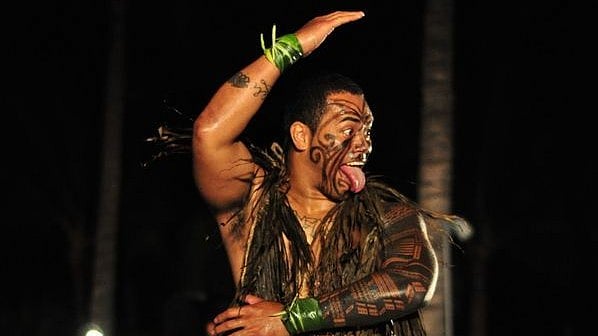
Clothing and performance emerged as strong tools of communication. Marchers embraced everything from traditional attire to bold, gender-fluid outfits and political costumes. According to UNI, One participant dressed as Ardhanarishwar, the composite form of Shiva and Parvati, highlighting how non-binary identities have long existed within South Asian cultural and spiritual traditions.
In a heartwarming video shared by an X user, the pride parade can be seen walking alongside a Sikh procession with the rainbow community added to the devotional spirit of the Sikhs cheering 'Jo bole so nihaal, sasrikaal.'

Pride as a Living Movement
The Kolkata Rainbow Pride Walk 2025 reinforced the city’s legacy as one of India’s earliest Pride movements. Beyond celebration, it served as a reminder that Pride remains a protest, evolving, inclusive and deeply connected to global and local struggles for dignity, freedom and human rights.
