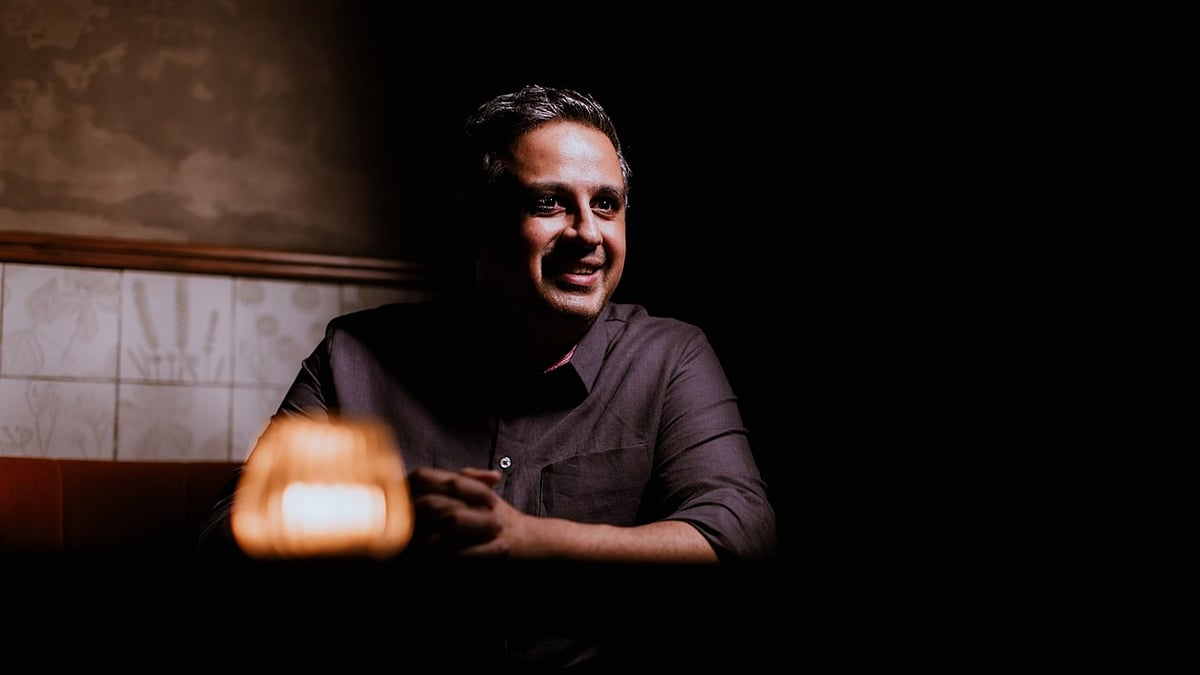
Comics in India are finding new readers across print, digital platforms, and social media. The rise of webcomics and graphic storytelling has also opened doors for independent creators and original characters. Against this backdrop, the recently held Indian Comic Book Awards hopes to bring attention to writers, illustrators, and storytellers shaping the space today. Jatin Varma, Founder, The Comic Book Trust Of India, and former CEO-Founder of Comic Con India, talks about about the changing comics scene, new audiences, and where the industry is headed.
Excerpts from the interview:
What inspired the launch of the Indian Comic Book Awards, and why did you feel this was the right time for such a platform in India?
This is my first initiative under The Comic Book Trust Of India, the idea is to set up a legitimate recognition process for the quality work that is being done within the community. This has been missing from the scene for a while now and had to be addressed urgently.
You’ve described the awards as a first-of-its-kind initiative. What gap in the Indian comics ecosystem are you hoping to address?
Yes as a legitimate jury based award from the comics community has been missing for some time now. And there is an amazing body of work that continues to come out of the community each year that needs to be recognized and highlighted. The awards are one way of doing that. The awards also recognize up and coming talent, which is also equally important to encourage new creators to emerge in the community.
Mumbai has always been a city shaped by storytelling — from cinema to publishing. How do you see the city influencing the growth of comics and graphic storytelling today?
Of course, some of the most iconic comic book characters and stories have been based with Mumbai in the background or as inspiration. Take the legendary DOGA by Raj Comics, he is the vigilante superhero protecting the streets. The city has been the home of Tinkle, pretty much the first comic book most of us read growing up and some like me continue to read. Some of the leading artists and writers are based out of Mumbai, so the city really drives and plays an important role in comic book culture of India.
Over the last few years, have you noticed a shift in the kind of audiences consuming comics and graphic novels in India?
Yes, we have transitioned from a millennial audience to a more GEN Z dominated audience block, there’s been a boom in interest around anime & manga, webtoons and more. Indian comic book creators and publishers have been trying to adapt and cater to this audience as well.
Webcomics and digital platforms have created a new generation of creators. How important are these spaces in shaping the future of Indian comics?
They have been extremely important in serving as not only a publishing platform but discovery platforms. A lot of times, someone’s first experience with a comic has been via social media. Some of the most popular Indian comic book creators have almost entirely digital, garnering millions of fans from across the country. Its changed the way fans consume content and comics especially.
Do you think Indian comic creators are finally moving beyond comparisons with Western superheroes and manga culture to build distinctly local narratives?
Yes and our stories and characters have always been seeped in mythology and history, but a lot many now come with contemporary Indian storylines and universes. There is a lot of experimentation taking place as well when it comes to world building.
What challenges do emerging Indian comic artists and writers still face — whether creatively, financially, or in terms of visibility?
While creativity was never an issue with creators and with social media, visibility has been slightly easier. But financially, it is still not always viable, visibility on social media doesn’t directly translate into sales or subscriptions. Physical distribution remains a challenge. And in a world where there is a lot of content competing for your attention, comics are not always on top of one’s mind.
Graphic storytelling is increasingly being embraced by younger audiences. Why do you think his format resonates so strongly today?
It has always been an extremely powerful visual medium, it hooks you in completely, which is why most people become lifelong fans.
Streaming platforms and gaming culture have expanded interest in visual storytelling. Has this indirectly benefited the comics space as well?
It provided a lot of buzz certainly and interest, and we have seen a few Indian comic book IP’s being licensed for live action adaptations on streaming as well.
Are publishers, brands, and investors finally taking comics more seriously as a mainstream entertainment and cultural category?
Yes the number of graphic novel titles published by mainstream publishers keeps increasing year on year. I have seen so many brands experiment with comics for their marketing efforts in the last decade and continue to do so.
If someone unfamiliar with Indian comics wanted to start exploring the space today, where would you ask them to begin?
Attend a Comic Con India event and drop by the artist alley to check out some of the latest in Indian comics, if you can’t physically attend, then look up the creators being featured by them online and check out their work. Some names to keep in mind while searching for new Indian comics are Indusverse, Yali Dream Works, Bullseye Press and Holy Cow Entertainment, these are just a few among many more.

