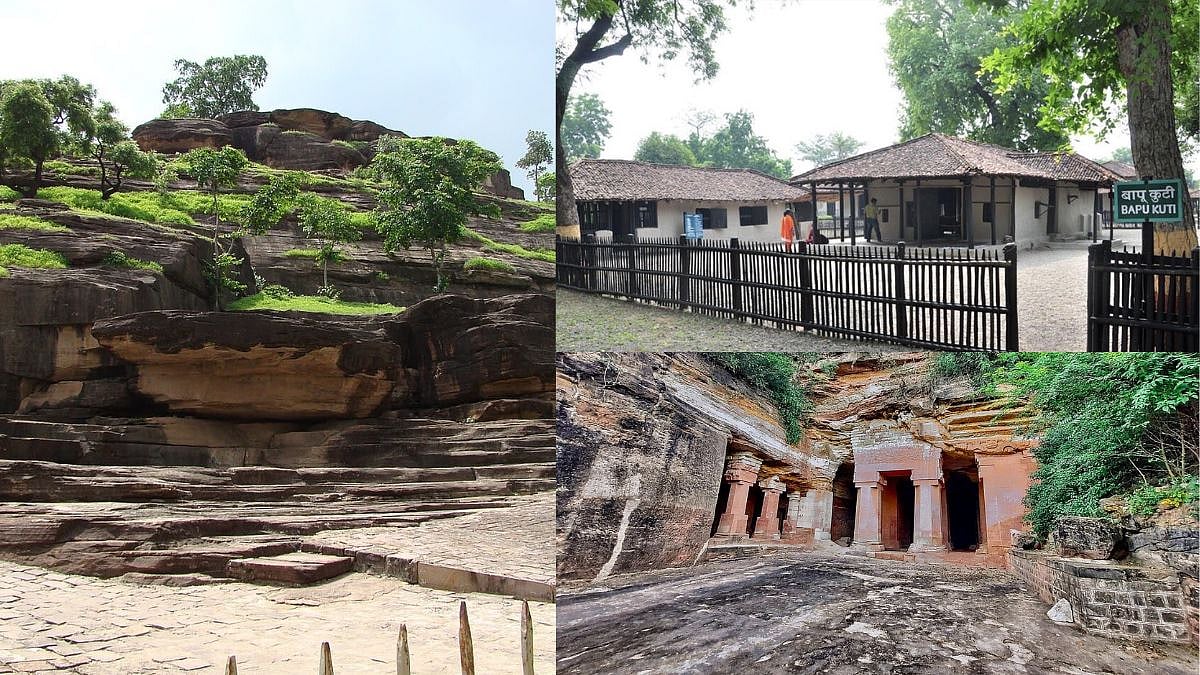
India has expanded its presence on UNESCO’s Tentative List with the addition of five new heritage sites and proposals, taking the country’s total count to 78. The latest inclusions highlight different aspects of India’s cultural and historical heritage, ranging from Buddhist art and ancient caves to temple architecture and tribal traditions. The new entries include the Udaigiri Caves, Group of Temples of the Chamba Valley, Bagh Cave Paintings, and the list also includes the history of Satyagraha across India and South Africa.
New heritage sites proposals to India's UNESCO Tentative List
Five new sites have been included in India’s UNESCO Tentative List of 2026, increasing the country’s count to 78. Union Minister of Culture and Tourism Gajendra Singh Shekhawat shared the list of these five tentative UNESCO List entries on Tuesday, September 29, 2026. Union Minister of Culture and Tourism Gajendra Singh Shekhawat announced the additions in a social media post. He wrote, "A significant milestone for India’s heritage! 5 remarkable properties and serial and transnational proposals have been added to India’s UNESCO Tentative List, taking India’s total to 78."
The minister further added, "From the Buddhist murals of Bagh and the Gupta era Udaigiri to the temple heritage of the Chambal Valley, the tribal legacy of Ginnorgarh and the global journey of Satyagraha, these additions reflect the extraordinary diversity of India’s heritage."
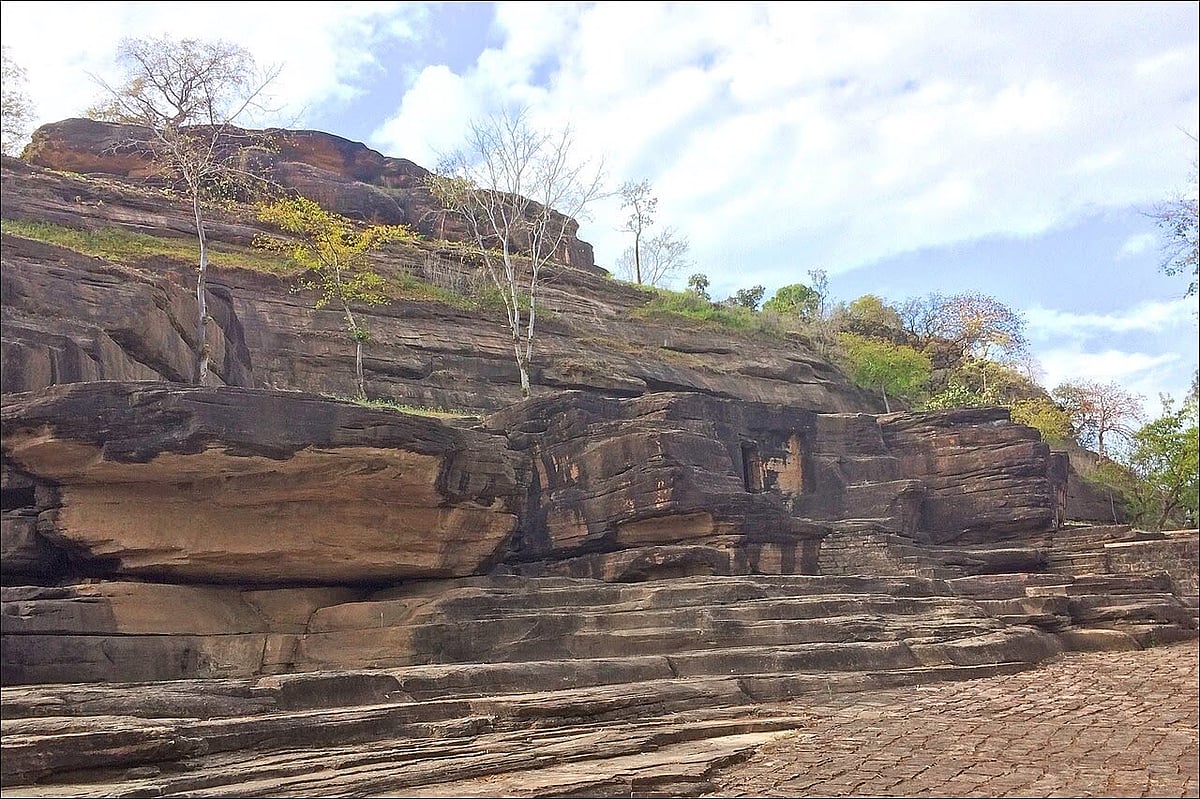
Udaigiri Caves | X
List of India's UNESCO Tentative List
Among the newly included sites are the Bagh Cave Paintings, known for their Buddhist murals. The inclusion brings attention to the artistic and religious heritage represented through these historic paintings.
Another addition is the Group of Temples of the Chambal Valley, which reflects the architectural and cultural heritage of the region. The temples form part of India’s diverse heritage landscape and have now been included in the country’s growing UNESCO Tentative List.
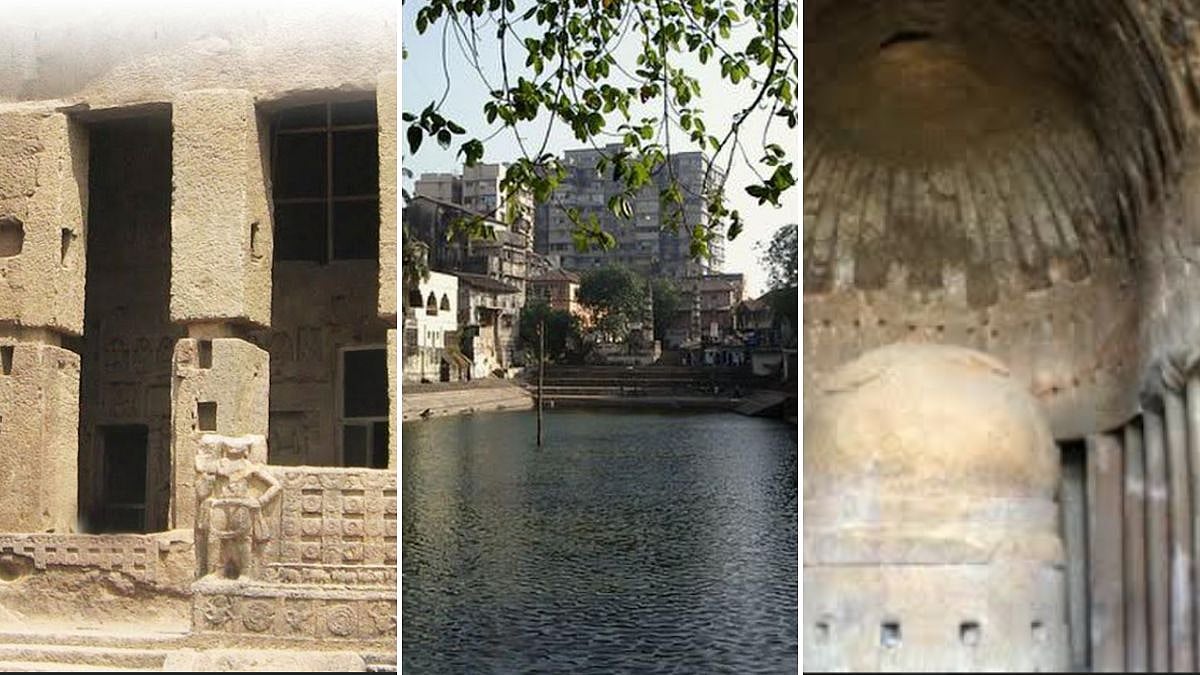
Historical significance of new entries
The Udaigiri Caves, dating back to the Gupta era, are also among the new inclusions. Their association with the Gupta period places them within an important chapter of India’s historical and cultural legacy.
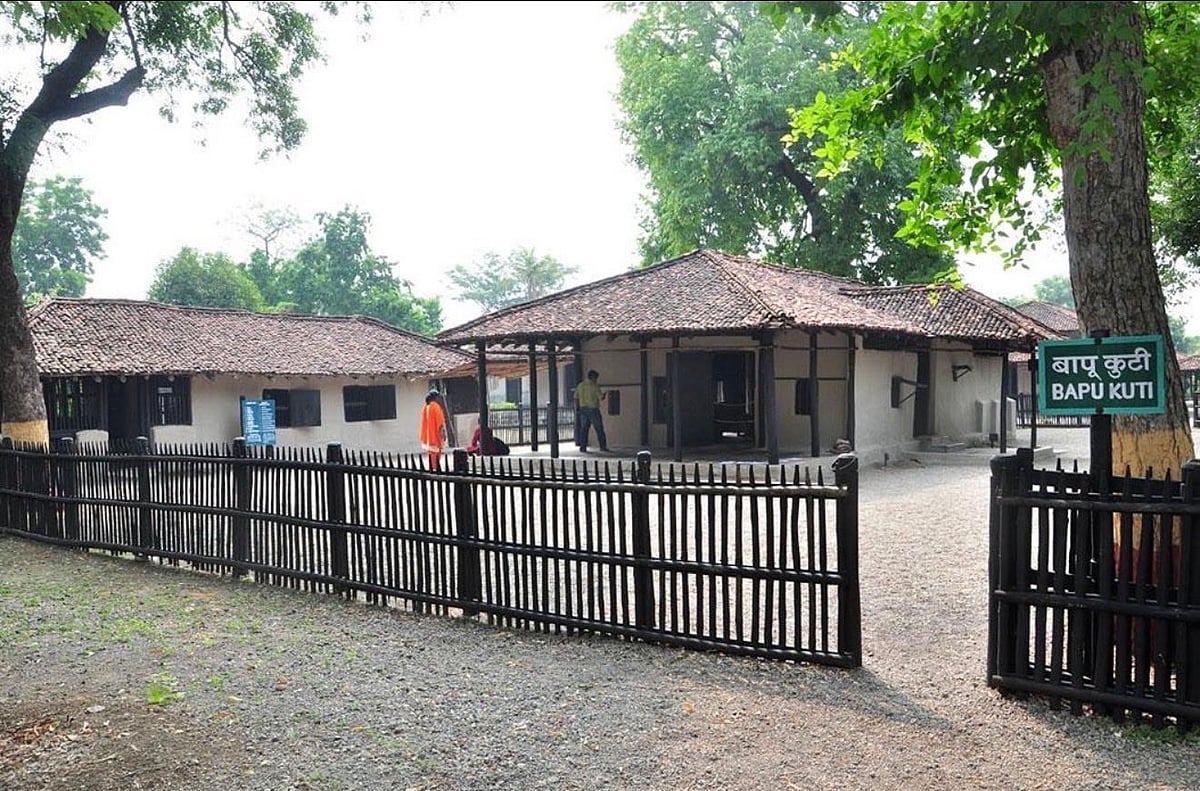
Bapu Kuti | X
The list further includes Ginnorgarh, representing the tribal heritage of the region. Its inclusion highlights the importance of recognising the cultural traditions and legacy of India’s tribal communities as part of the country’s broader heritage.
The fifth addition is Sites of Satyagraha, a serial transnational proposal connecting India and South Africa. Unlike the other individual heritage sites, this proposal represents a shared historical connection between the two countries.

