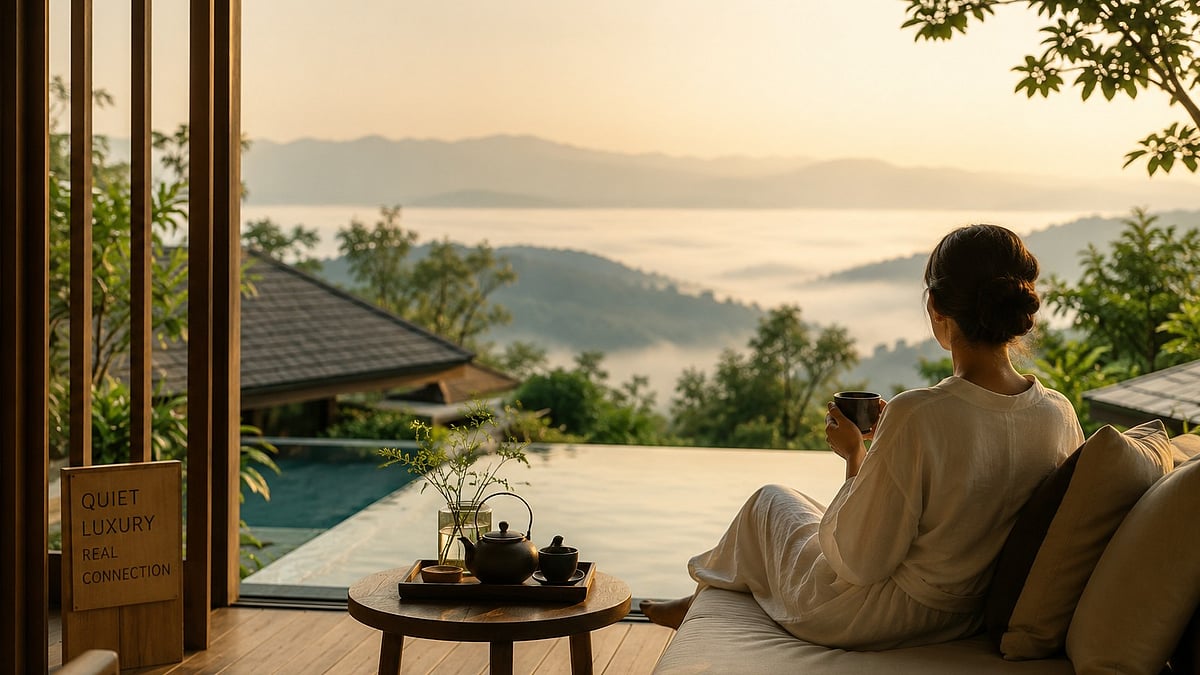
In an era where travelers increasingly seek respite from the clamor of modern life, hushpitality is set to redefine luxury travel in 2026. This emerging paradigm shifts focus from ostentatious displays to serene, personalized experiences that prioritize tranquility and genuine hospitality. Far from the crowded resorts and performative indulgences of the past, hushpitality offers intimate retreats where discretion and comfort reign supreme.
The trend gains traction amid rising demand for mental wellness escapes. The Global Travel Trends Report by Skift, published in late 2025, notes a 45% increase in searches for "quiet luxury retreats" and a 30% rise in bookings for off-grid properties. For Indian travelers, accustomed to vibrant festivals and bustling urban escapes, this represents a compelling pivot toward restorative journeys.
Defining Hushpitality
Hushpitality embodies understated elegance in hospitality. Guests encounter impeccable service delivered with minimal intrusion—think bespoke meals left at dawn without ceremony, or wellness sessions in secluded natural settings. Properties limit occupancy to preserve serenity, often integrating sustainable practices such as solar energy and locally sourced provisions.
Rooted in the "quiet luxury" ethos from fashion, hushpitality extends to travel by emphasizing sensory immersion over spectacle. A 2025 World Health Organization study underscores its relevance, linking chronic stress to a 40% shift in travel motivations toward mental rejuvenation.
Co-founder of Stay Vista, Amit Damani says, “Modern life is relentlessly loud. Notifications, meetings, traffic, content, opinions, even leisure has become overstimulating. Hushpitality resonates because it offers something increasingly rare: mental spaciousness. Travellers are no longer chasing constant activity. They’re seeking environments that let their nervous systems slow down, where rest feels intentional rather than incidental.”
Drivers of the Hushpitality Surge
Several factors propel hushpitality into the mainstream. Persistent post-pandemic fatigue has amplified the appeal of digital detoxes, where properties intentionally limit connectivity. Remote work trends further enable extended stays, with professionals from Mumbai to Bengaluru seeking uninterrupted focus amid nature.
Pricing models enhance accessibility: introductory packages begin at approximately $400 per night, escalating to $2,000 for customized offerings. This appeals to diverse demographics, including families pursuing balanced nature immersion and couples favoring romantic seclusion.
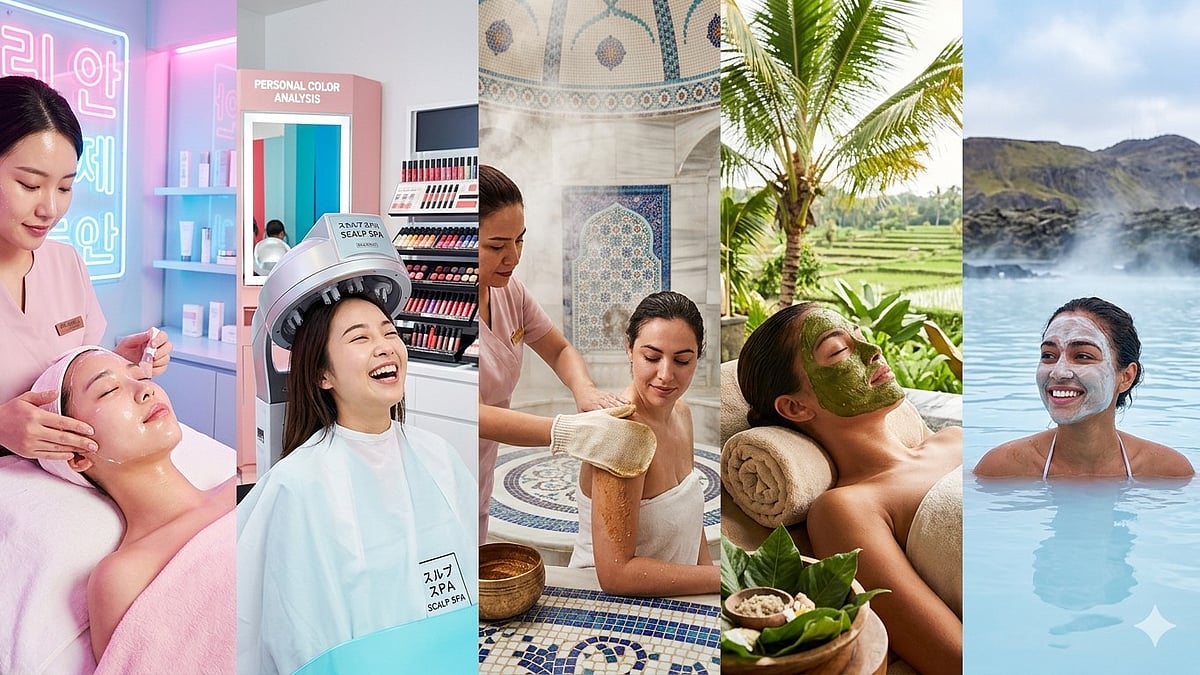
Sustainability is integral. Younger travelers - Millennials and Gen Z, who comprise 60% of bookings according to Booking.com's 2026 forecast - opt for low-impact destinations reachable via efficient rail or electric transport. This aligns with India's growing eco-conscious travel segment, as outbound tourism rises.
Ms Utami Indah Dewi, Director of Spa and Recreation at JW Marriott Bengaluru Prestige Golfshire Resort and Spa adds, “Service has become more intuitive, with low verbal interaction, discreet technology, and personalized, unhurried wellness and dining journeys. Experiences such as silent spa rituals, meditation, and bespoke programming replace large-scale group activities.”
Prime Destinations for 2026
Hushpitality hotspots are diversifying globally, offering varied appeal:
Europe: Tuscany's agriturismos provide olive grove spas; Norway's fjord cabins feature private saunas under the northern lights.
Asia: Bhutan's eco-lodges emphasize holistic well-being; Bali's northern retreats offer rice terrace serenity, contrasting southern vibrancy.
Americas: Vancouver Island's rainforest glampsites and Patagonia's ranch stays deliver pristine isolation.
Africa and Oceania: Namibia's desert camps and New Zealand's Milford Sound hideaways promise unparalleled natural immersion.
With this, it’s safe to say that Asia has been growing when it comes to the hushpitality sector. With more and more hotels and resorts in the making or already established have understood what travellers and consumers are really looking for. For example, Stay Vista’s growing portfolio specifically suggests that they’re out there to cater to the silent travellers. Chains such as JW Marriott, Taj and more are creating more personalized packages and treatments that bring Asia among the top contenders in this category.
The Enduring Appeal of Personalized Service
The essence of hushpitality lies in its human element. Property owners cultivate deep guest connections, from personalized notes to remembered preferences, fostering loyalty - repeat visitors generate 70% of revenue at leading sites, reports Hospitality Insights.
Challenges persist, including balancing growth with authenticity and subtle promotion. Yet, as global travel evolves, hushpitality positions itself as a sustainable, aspirational choice. “Experiences are carefully curated from quiet private meals to nature-based activities and unhurried routines. Luxury isn’t about access anymore, it’s about feeling relaxed, cared for, and completely at ease.” Mr Damani adds.
Personalized services might not be a luxury after-all. Small changes in the trips people take can account for their own personalizations. Be it a scenic view, a specific meal choice or even a way of travel.
Navigating Your Hushpitality Journey in 2026
A travel trend that “started as a response to burnout, but it has evolved into a redefinition of luxury itself” , Mr Damani adds. Hushpitality could just be the way of travel that is here to stay. For those planning ahead, prioritizing properties with verified low-occupancy policies. Invest in experiential elements like guided wellness or local cultural exchanges. Full disconnection yields the greatest returns, allowing travelers to emerge revitalized.
As 2026 approaches, hushpitality signals a broader transformation in travel: from volume to value, noise to nuance. For Indian jet-setters eyeing international horizons, it promises not just destinations, but destinations for the soul.

