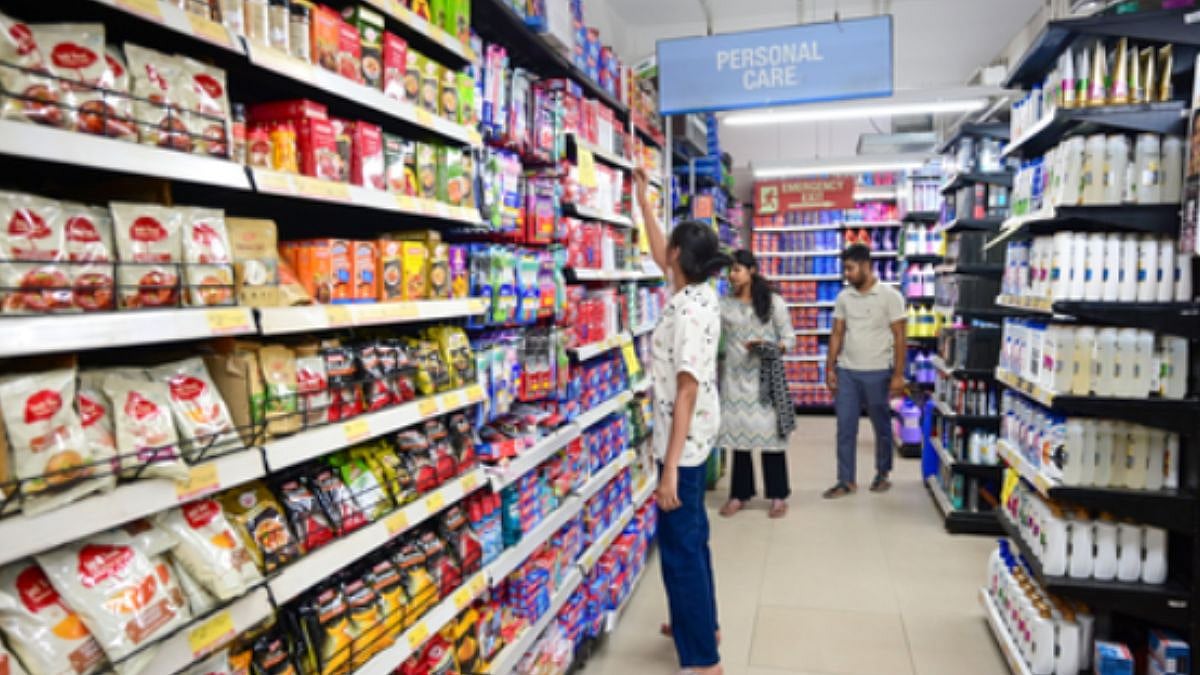
It appears that in recent years many more Indian consumers are buying premium or luxury products and services. Ultra-luxury houses are getting booked within hours of launch, hundreds of youngsters are queuing up at iphone stores, sale of luxury brands of jewellery, watches, fragrances and leather goods is growing and international travel including to exotic locations is on the rise. Does it mean that an average Indian consumer has now generally begun to buy premium or luxury products? Actually, that may not be the case. The trend of premiumization isn’t uniform and different patterns can be observed in terms of three consumer segments.
Take the first segment – the rich and ultra-rich – which includes the first-gen, newly rich (think of startup founders who sold stakes at high valuation), those working abroad and the ones with traditional family wealth. They typically comprise young people who are purchasing ultra-luxury homes, luxury cars, watches, perfumes and patronizing fine dine experiences. This segment is choosing high-end wellness and curated experiences, front row appearances at sporting events, destination weddings and leasing exotic islands instead of just owning goods with expensive logos. Companies are rushing to cater to them by launching ultra luxury houses, exotic wellness centers and global luxury brands stores in India. This segment, say with annual incomes above of Rs 5 Mn to 10 Mn, can be considered as genuine buyers of ultra luxury and premium goods and has grown by a good over 50 percentage in past five years (though on a small initial base).
The second segment is the YOLO (You Only Live Once) folks – mostly young, upper middle-class and urban consumers with annual income above of Rupees 10 to 15 lakhs. This segment is spending thousands or lakhs on attending music concerts, taking international trips, switching to premium science-based cosmetics and beauty products. They are changing to healthier food products and dinning out at exotic restaurants. As per a study 9 out of 10 international trips were taken by Gen Z and millennials, often for solo explorations to countries like Vietnam, Thailand or Georgia. This consumer segment is confident, digital first, health conscious and experimentative. Thanks to social media platforms like Instagram, they want to flaunt their lifestyle and emulate others’ experiences they see online.
The third segment – the inchers – is the middle-class segment from big as well as small towns. They are slowly inching up towards premium products. Equipped by the online shopping platforms, they are increasingly buying branded shoes, fashion, cosmetics and food online. Thousands are taking their first flights (thanks to new airports in small towns) and their first Vande Bharat train every month. Lakhs of inchers are buying their first fridge and cars in smaller towns. As per a study the percentage households who own a car or bike has gone up from 10 percent ten years back to about 50 percent now. Refrigerator ownership went up from just 2.9 percent in rural poor to about 22 percent within a decade. This segment is experimenting with better quality (healthy and international) FMCG products compared to ‘basic’ products. The inchers are lured by easy access to credit and BNPL (Buy Now Pay Later) schemes and an estimated 70 percent of iPhones are being bought on EMI. Driven by aspirations to inch upwards this segment is buying affordable premium goods even as their saving rates are dropping and credit bills and loans are rising.
There are indeed overlaps of consumption trends among the three segments and commonalities too. From being traditionally price conscious, the Indian consumer is now gradually opening purse strings to buy more premium products. If earlier the focus was more on maintaining a spending cap and saving more, now the consumer is ready to pay more to get more – this ‘more’ could be a convenience, a luxury, an experience or greater value. An average Indian is now more risk taking which is reflected in her increased investments in Mutual Funds, drop in saving account balances and rise in personal loans.
Also Watch:
However, it won’t be correct to conclude that majority of Indian consumers have now generally taken to buying premium products across all categories of goods. Income disparities are high in India and hence what is defined as premium also differs for the three segments. Compared to developed countries and China, per capita consumption of premium and luxury products in India is still very low. Sale of a luxury cars in India was around 45,000 last year whereas in China the same number was nearly 3 million. Indian households with annual income of over Rs 5 Million is less than 0.4 percent of total households indicating that those who can actually afford ultra-luxury is still a very low number. But a start towards premiumization has begun across segments. A massive lower income segment won’t start buying ultra-luxury goods any time soon but within their segments consumers are pushing the limits upwards.
Alpesh Patel, founder & CEO of AI venture Rsutra Analytics & Consulting, has decades of experience as a management consultant with Big4s. He has authored several books including ‘Chalta Hai India’ and writes on current affairs.

