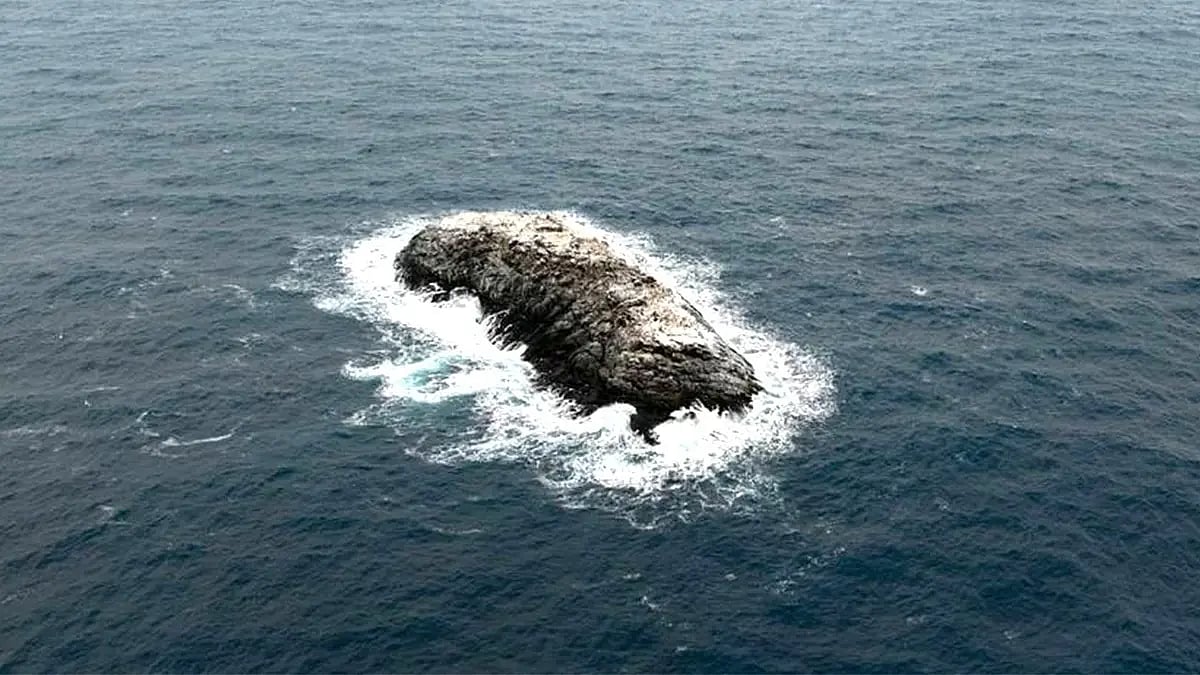
A team of polar researchers has unexpectedly discovered a previously unmapped island in Antarctica’s remote Weddell Sea after harsh weather conditions forced their expedition to temporarily change course. The surprising find has now sparked excitement in the scientific community while also highlighting how large parts of Antarctica still remain poorly mapped.
The discovery was made by researchers from the Alfred Wegener Institute during an expedition aboard the German icebreaker Polarstern. Interestingly, the team had not been searching for new land at all. Instead, they stumbled upon the hidden island completely by chance while taking shelter from severe Antarctic storms near Joinville Island.
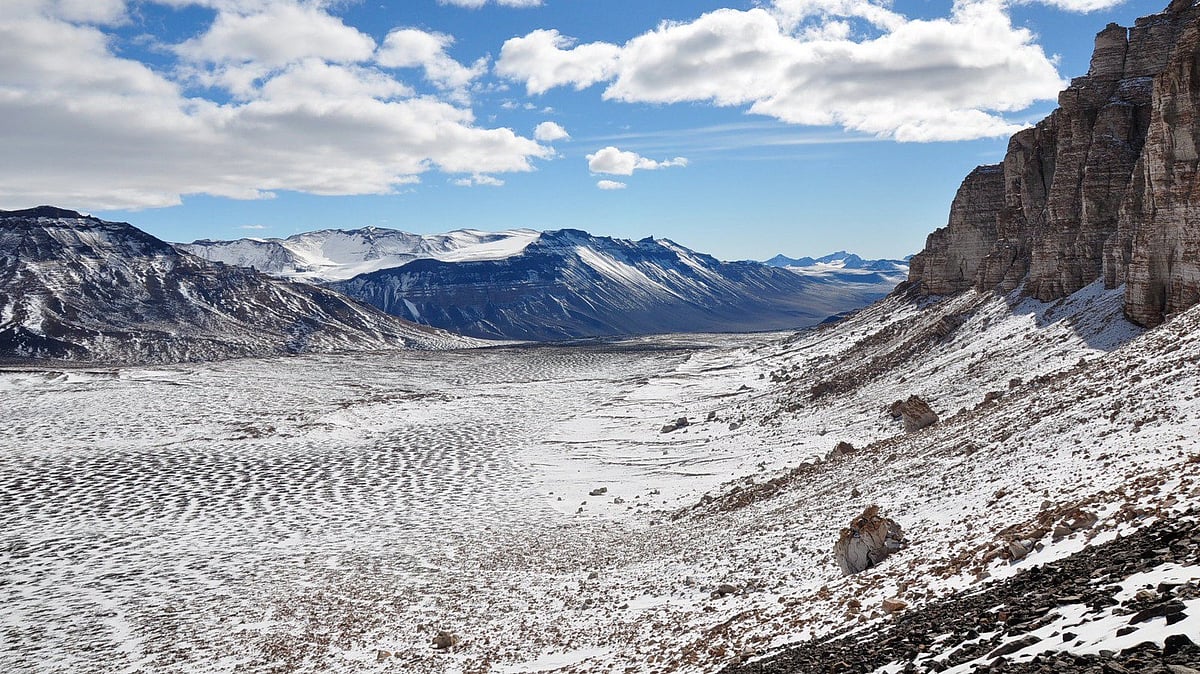
According to expedition members, rough waves and dangerous weather conditions forced the scientists to pause their research operations and wait for calmer conditions before continuing their work. During this unexpected stop, bathymetry engineer Simon Dreutter noticed something unusual on the ship’s nautical maps.
The area nearby had long been marked as a mysterious “danger zone” on Antarctic charts, despite there being no clear explanation for why the waters were considered hazardous.
Curious about the marking, Dreutter looked outside and spotted what initially appeared to be a dirty iceberg floating in the distance. However, after examining it more closely through binoculars, the crew realised the structure contained exposed rock formations, confirming it was not drifting ice but permanent land.
Scientists say the discovery once again demonstrates how much of Antarctica remains unexplored. Reports suggest that less than 25 percent of the Weddell Sea has been completely mapped, leaving massive blank zones and incomplete geographic data across the polar region.
The research team is currently preparing an official proposal for the Scientific Committee on Antarctic Research (SCAR), which oversees Antarctic geographic naming procedures.
Because the expedition was conducted aboard a German research vessel, the proposal will first go through Germany’s national polar naming authority. Researchers must also verify that no earlier expedition from another country had already documented or informally named the island in historical records to avoid duplicate claims.
The accidental discovery has now become a reminder that despite modern technology and satellite mapping, parts of Earth’s most extreme continent still hold mysteries waiting to be uncovered.

