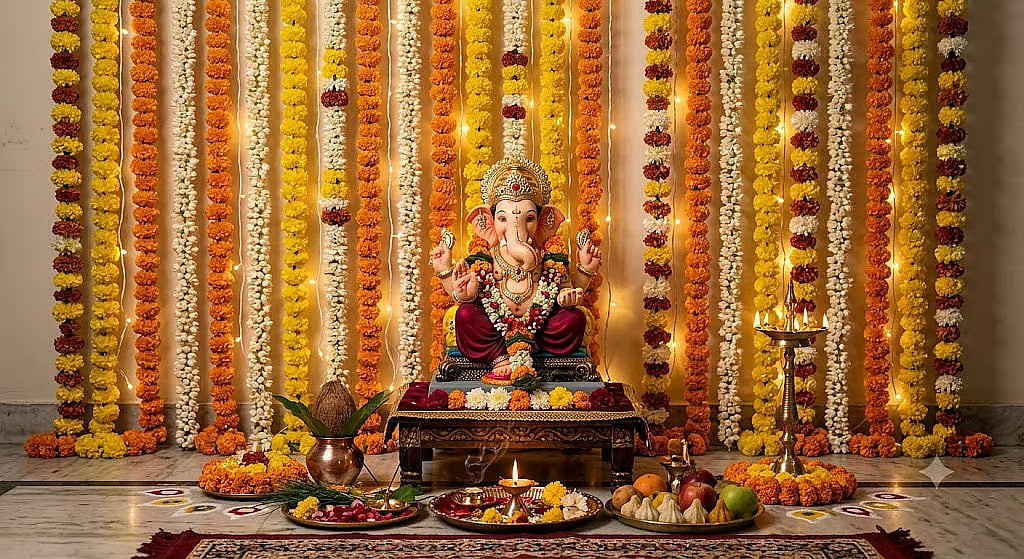
Ganesh Chaturthi is one of the most widely celebrated Hindu festivals in India, with devotees welcoming Lord Ganesha into their homes and offering prayers, flowers, and delicious bhog. This year, the festival is set to be observed from Monday, September 14, 2026. While modak is considered one of Lord Ganesha’s favourite offerings, devotees can also prepare several other traditional dishes as naivedya for Bappa.
Puran Poli
Puran Poli is a classic Maharashtrian sweet stuffed with chana dal and jaggery. It is a popular festive delicacy commonly prepared during festivals in Maharashtra and can be offered as bhog to Lord Ganesha.
Laddoo
Laddoos are another traditional sweet associated with Ganpati celebrations. Besan laddoo, motichoor laddoo, coconut laddoo and boondi laddoo can be included in the bhog thali. Their simple ingredients and sweet flavour make them a popular choice for prasad.
Kheer
A bowl of creamy kheer made with milk, rice, sugar and cardamom can also be offered to Bappa. Devotees may garnish it with dry fruits such as almonds, cashews and raisins.
Sheera
Sheera, also known as suji halwa, is another simple and popular prasad made with semolina, ghee, sugar and cardamom. It can be prepared quickly and offered during Ganesh Chaturthi puja.
Coconut-based sweets
Coconut is considered an important offering in many Hindu rituals. Coconut laddoos, naral bhaat or other simple coconut-based preparations can be included in the bhog, depending on family traditions.
Banana and other fruits
Bananas are traditionally offered to Lord Ganesha. Devotees can offer bananas, apples, pomegranates and seasonal fruits alongside cooked offerings as part of the naivedya.
Sabudana preparations
For devotees observing a fast, sabudana-based dishes such as sabudana khichdi or sabudana vada can be prepared as a festive offering, depending on individual customs.
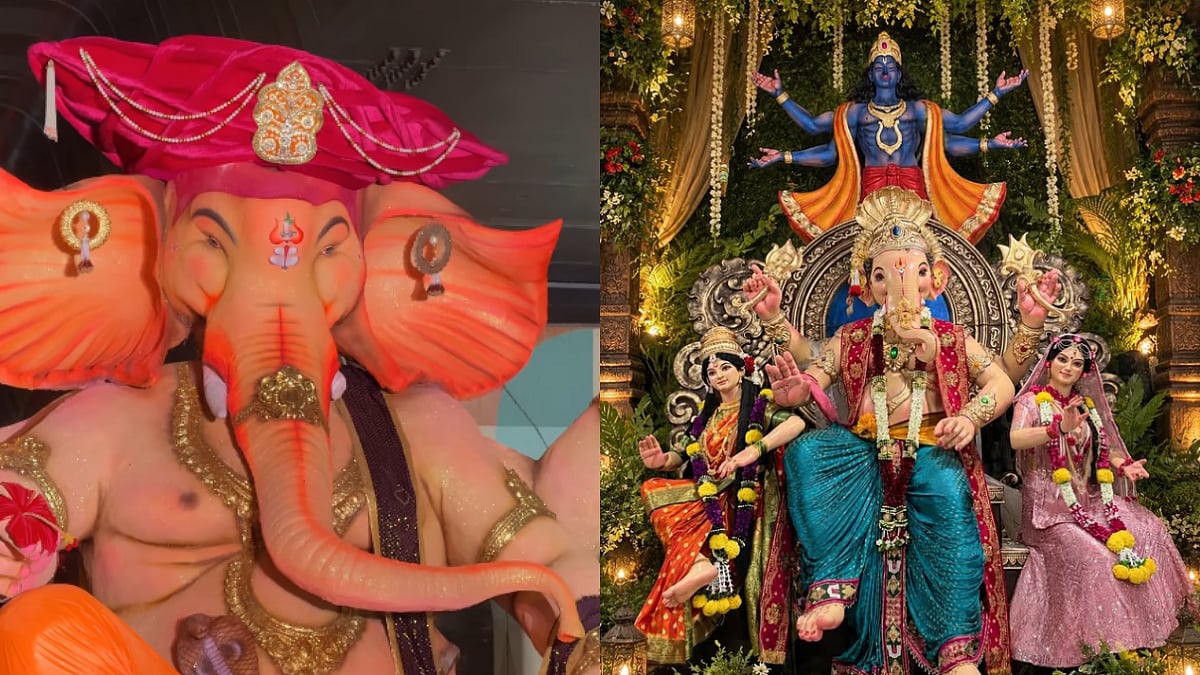
Offer Durva grass to Ganpati
Durva grass is considered an important offering to Lord Ganesha. Devotees traditionally offer 21 blades or small bundles of durva grass to Bappa during the puja. It is placed alongside other ritual offerings and the bhog.

