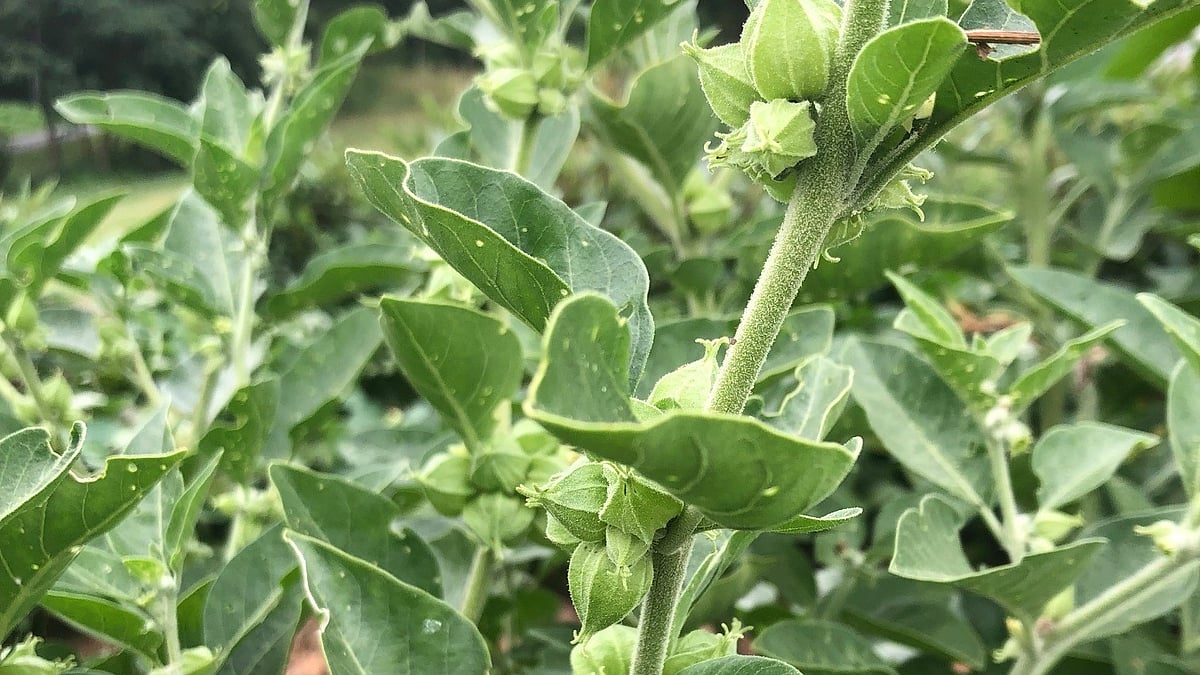
Withania somnifera, also commonly known as Ashwagandha, is an evergreen shrub in the Solanaceae family that is native to the Middle East and North African regions, southern Europe, the Indian subcontinent, and across Southeast Asia. The Food Safety and Standards Authority of India (FSSAI) has issued an advisory stating that Ashwagandha leaves cannot be used in food products or supplements in any form, citing safety concerns. While Ashwagandha is widely known for its medicinal benefits in Ayurveda, only its roots are considered safe for consumption in regulated food items.
FSSAI bans ashwagandha in food products
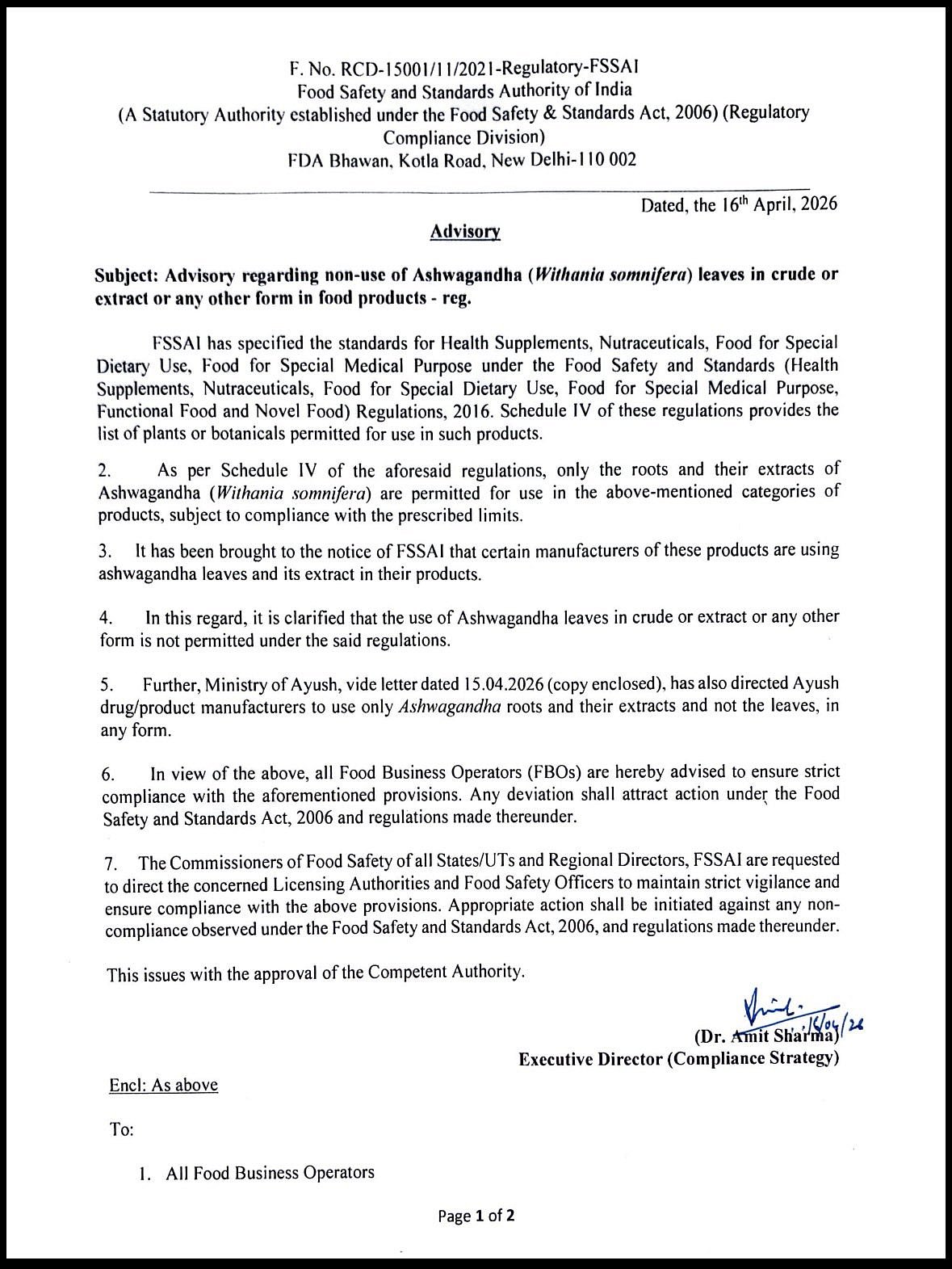
The FSSAI has issued an advisory to clarify the permitted use of Ashwagandha in food products and supplements on April 16, 2026. Ashwagandha, which has been promoted as a herb and tonic helping in vitality and longevity, has now been banned by the statutory body of India. Under the Food Safety and Standards (Health Supplements and Nutraceuticals) Regulations, 2016, there is only a fixed list of approved plants and their specific parts that can be used, and according to that list, Schedule IV, only the root of Ashwagandha and its extracts are allowed, which must be used within prescribed safety limits.

Ashwagandha | Canva
Why ban on Ashwagandha leaves?
The ban on Ashwagandha leaves and their extract in food products and health supplements has been imposed by FSSAI due to the high level of Withaferin-A. This is a type of bioactive withanolide. The leaves significantly contain higher concentrations of this compound compared to roots, which is why they are often implicated in studies regarding the herb's toxicity. It can cause hepatotoxicity (liver damage), gastrointestinal distress, and potential neurotoxicity. Experts say the leaves may contain compounds that can be toxic or cause adverse effects if consumed in large quantities.
Ashwagandha can kill tumour cells – Studies
This is a cytotoxic compound, which means that it can kill tumour cells. Research also indicates its potential anti-inflammatory, antimicrobial, cardioprotective, and anti-diabetic effects. However, these findings are highly experimental and not yet authorised. Due to these, health regulations have raised concern about their safety and banned their use in most food supplements.
This is similar to many other plants which belong to the nightshade family, wherein the aerial parts are not meant for internal consumption. For example, you eat potatoes, not their leaves; the same goes for carrot and more.
What is Ashwagandha?
Ashwagandha is also known as Indian ginseng or winter cherry. The term ashwagandha comes from Ashwa, meaning horse, and Gandha, meaning smell. Traditionally, it is classified as a rasayana herb which strengthens the nervous system. It is widely used for its adaptogenic properties, which help in restoring balance in the body.
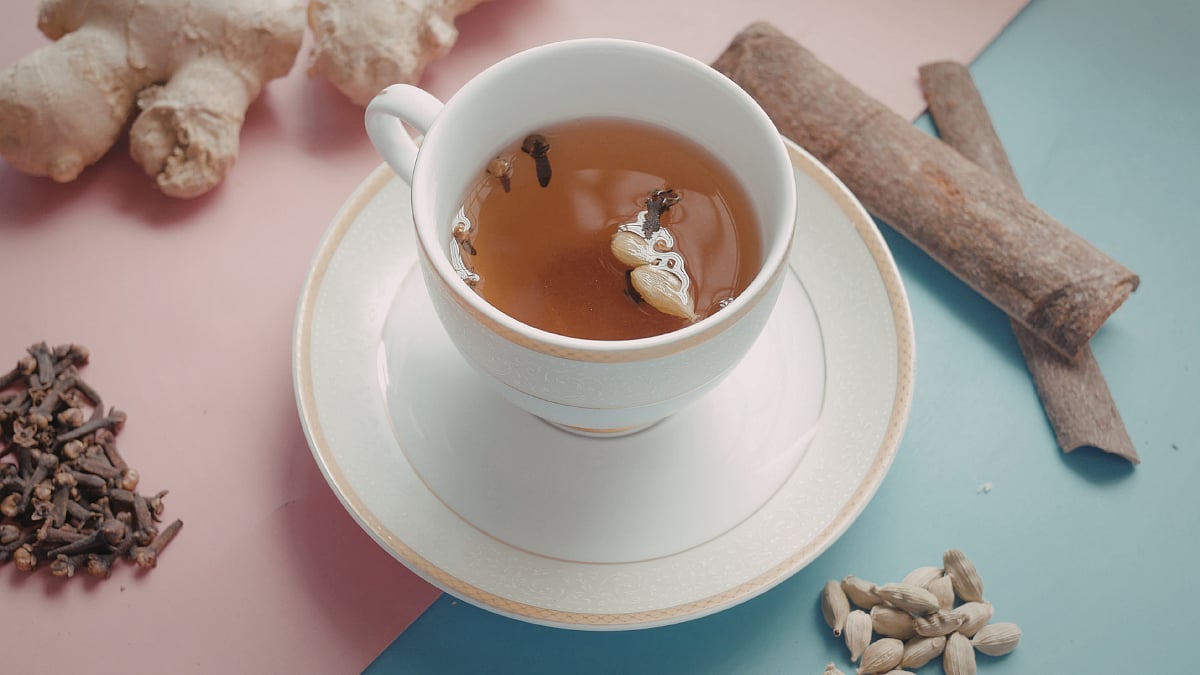
How Ashwagandha roots are beneficial?
Ashwagandha root (Withania somnifera) is a powerful ayurvedic adaptogen; it lowers cortisol levels and calms the nervous system, which helps in reducing anxiety and stress. Studies also indicate that the root extract helps improve sleep quality and insomnia in people with sleep disorders. Use of ashwagandha roots in food products is permitted. The ban is only for the extraction of leaves.
