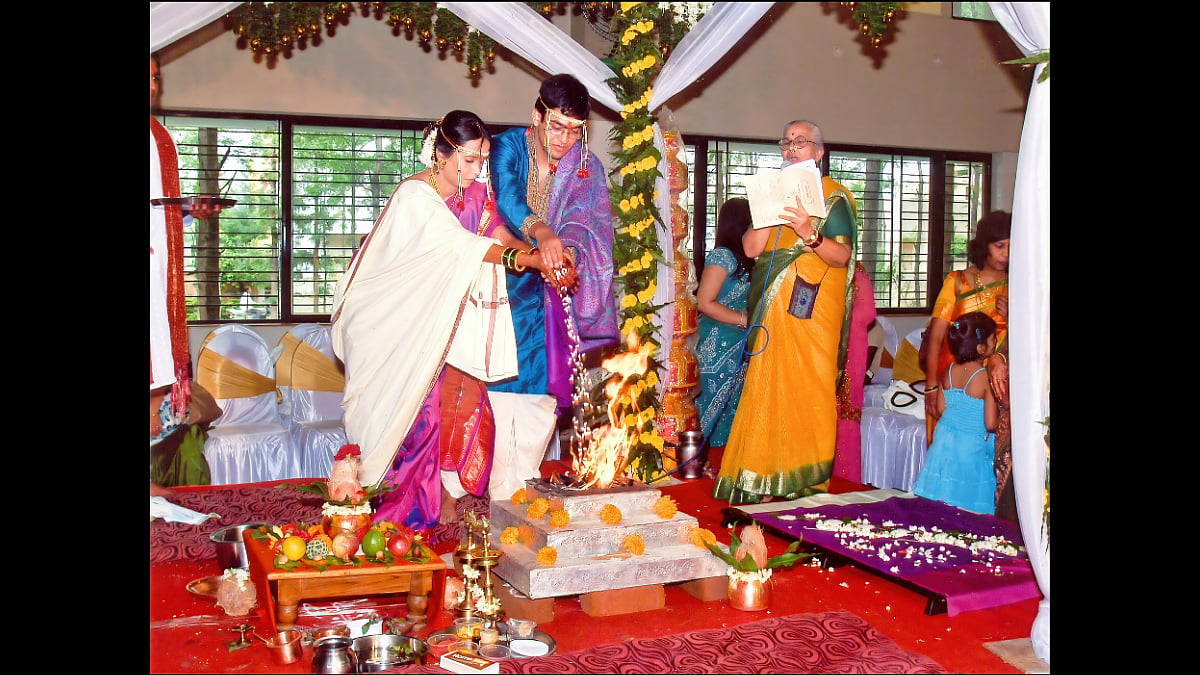
When a young bride in Navi Mumbai chose to invite a purohita (woman priest) to conduct the navagraha shanti puja in 2015, her father‑in‑law objected. But the 25‑year‑old stood her ground, saying, “We can get a male priest to do the puja again if you don’t like her way.” The same purohita Megha Gokhale, has since been performing every puja in that household.
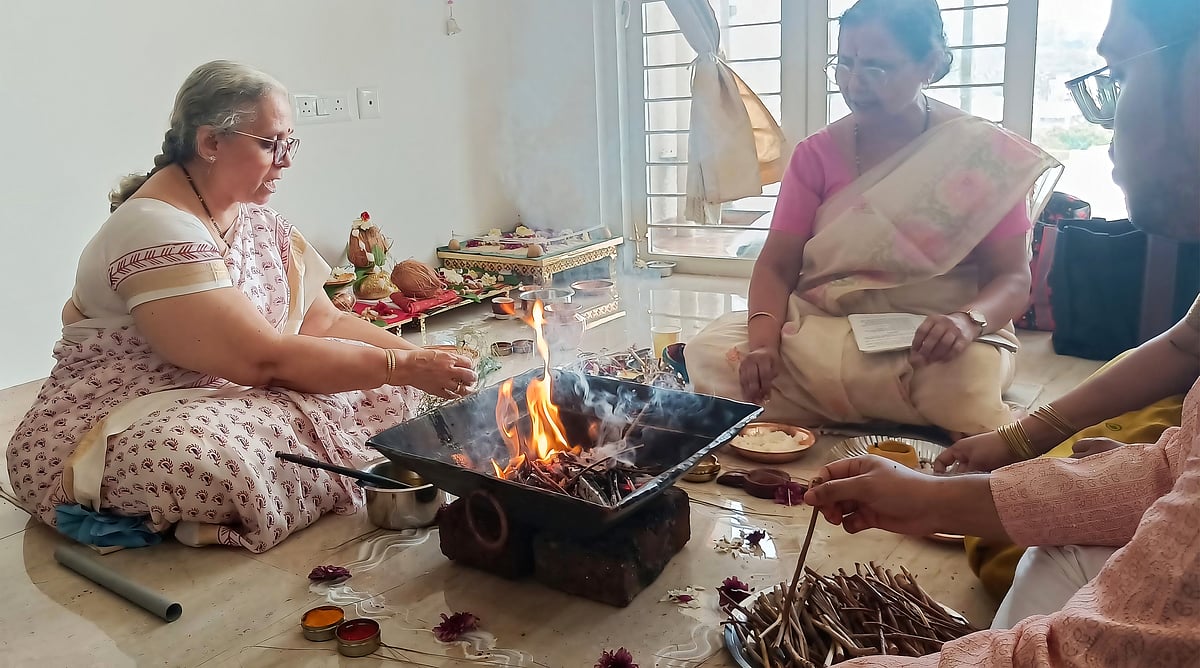
Megha Gokhale |
Shortly after she became a priest in 2005, Surekha Likhite was reluctantly engaged by a client in Pune only after three failed attempts to get a male priest. Following the puja, though, he urged her to be his family priest.
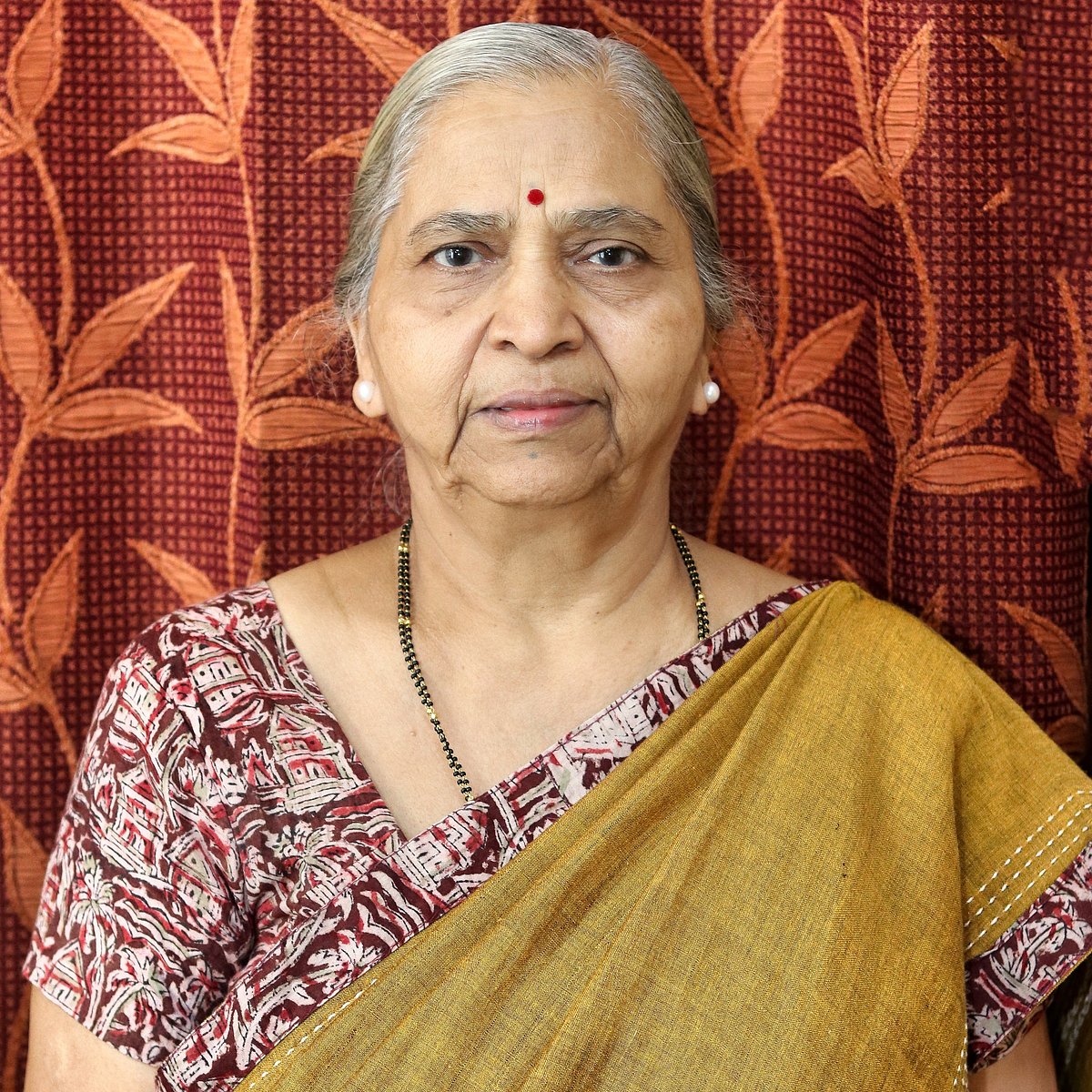
Surekha Likhite | Pic: Harsh Kabra
At a shraddha (death anniversary) ceremony in Pune in 2014, the family matriarch patronisingly questioned purohita Urmila Betkar’s credentials before finally letting her proceed. After the ceremony, however, she touched Betkar’s feet and apologised.
Time was when Dr. Sujata Bapat, a purohita and trainer at Pune’s Jnana Prabodhini, mostly fielded requests for male priests. “What hurt me was that many of the callers were women,” she says. “These days, families specifically ask for women priests.”
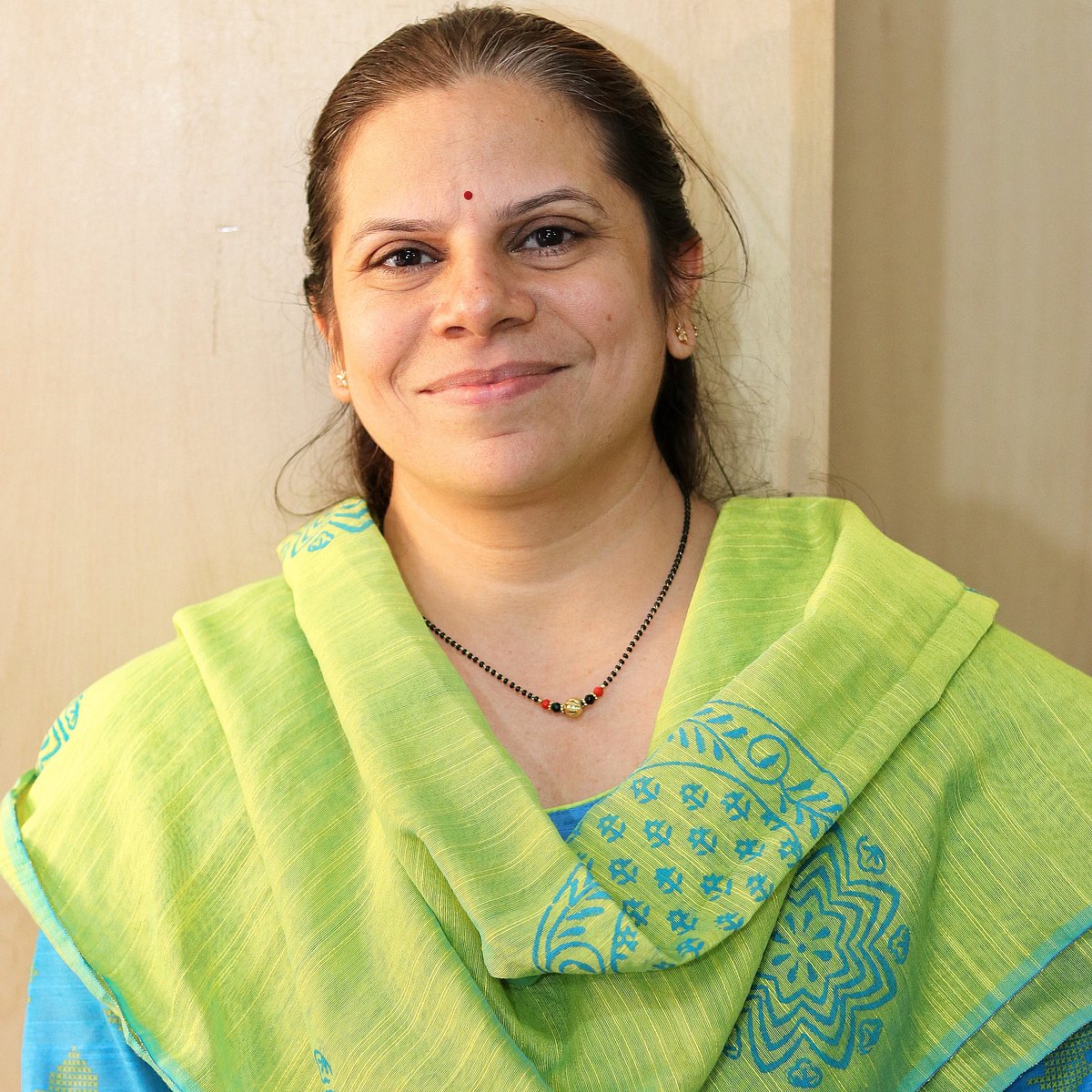
Dr Sujata Bapat | Pic: Harsh Kabra
On seeing Anagha Joshi as one of the officiating priests at a wedding in Nashik in 1995, a male priest stormed out in a huff, declaring that a woman who menstruates was “not pure enough” to perform the ritual. “He accused me of chasing status and publicity, but I refused to back down,” she recalls. The bride and her parents insisted that Joshi and her colleague conduct the rituals by themselves. Joshi, now 62, recently officiated at the wedding of the bride’s daughter.
Crossing the Threshold
Purohitas of Maharashtra are pushing the boundaries of inclusion by claiming their place in a tradition that once worshipped the feminine in its divine form but denied its human counterpart the right to lead rituals. Opening priesthood to women was a natural extension of the state’s history of challenging the stranglehold of patriarchy and orthodoxy on religious authority. In the 1930s, several reform-minded scholars, convinced that religion needed to evolve with the times, came together as Tatvanishtha Parivartanwadi Parishad, a progressive Hindu reform group that later became the Dharma Nirnay Mandal, to shake up convention with radical ideas about caste and gender equality.
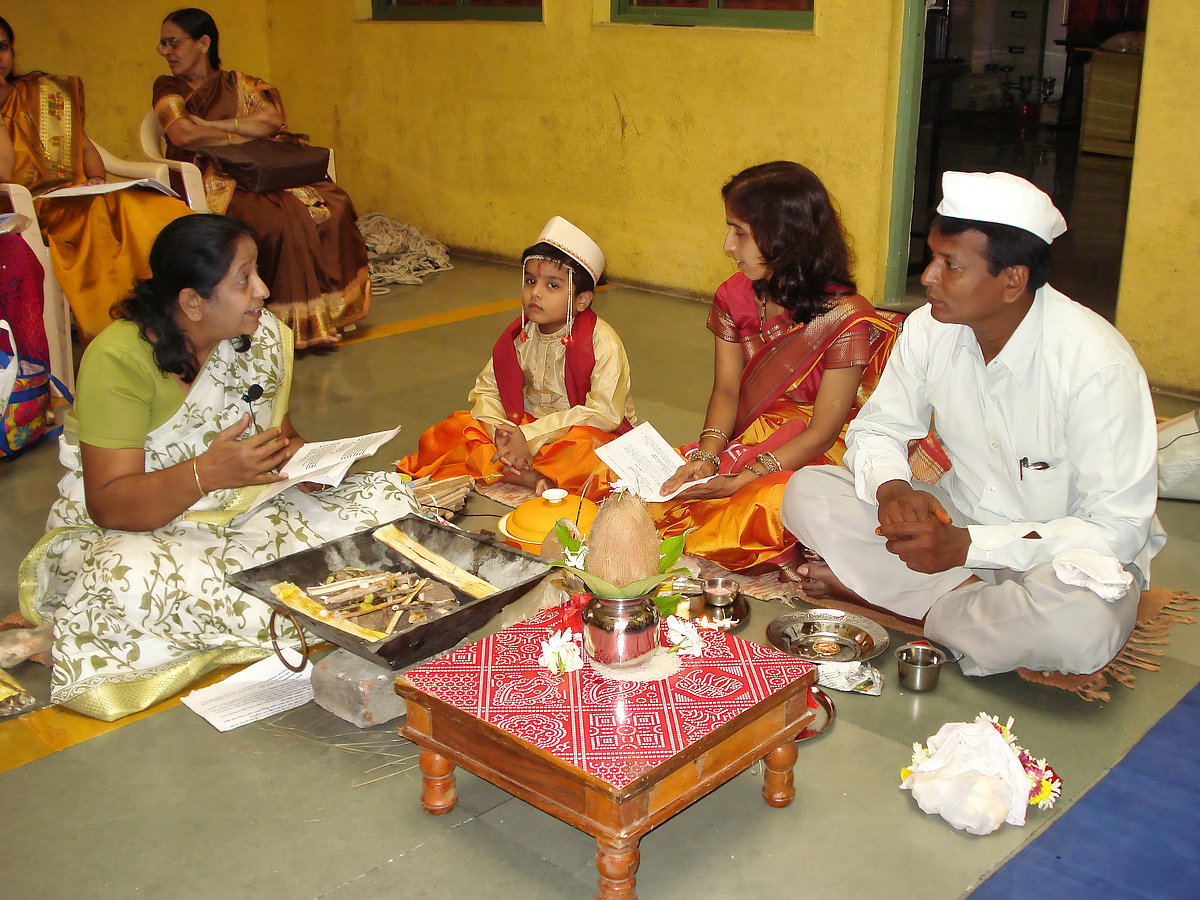
Upanayan | Pic: Jnana Prabodhini
The movement gained momentum when Shankarrao Thatte, who ran a wedding hall in Pune, spearheaded the training of women as Vedic priests. Exasperated by men monopolising priesthood, often appearing more interested in dakshina than in the ritual itself, he decided to learn complex rituals and stotras, and pass that knowledge on to women of all castes through his organisation, Shankar Seva Samiti (SSS). Many of the 25 women who enrolled for the inaugural batch in 1975 were warned by traditionalists of misfortune. None of them budged. Before long, they were performing samskaras (sacraments) once the exclusive preserve of male Brahmins.
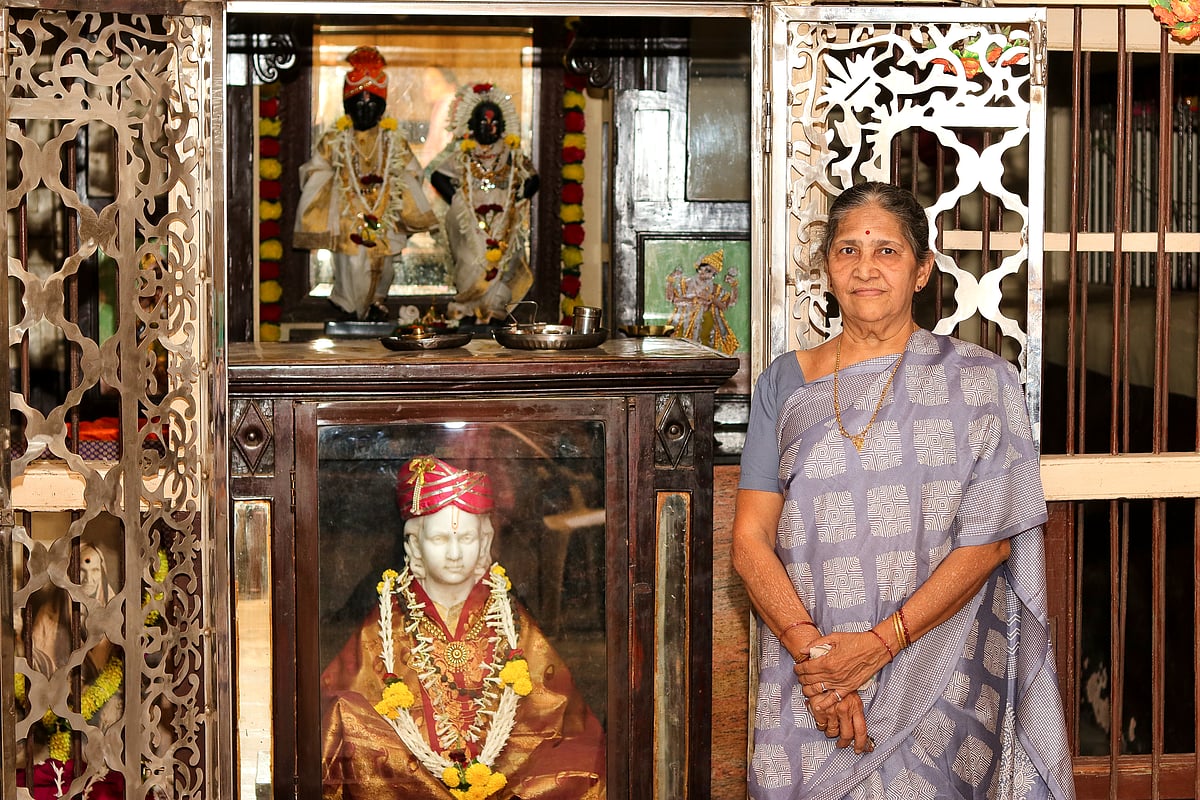
Vidya Ghanekar | Pic: Harsh Kabra
Vidya Ghanekar, now 70, is one of those purohitas. She was all of 19 when she married into Thatte’s extended family. Encouraged by her in-laws, she joined the programme and trained for three years. She was among the 23 women priests who conducted Pune’s first all-women Maharudra Yaag in 1980. She beams with pride as she talks about the families she has served across generations. “I have been a priest to the Sant family since 1990 and recently performed the thread ceremony for their fourth generation,” says Ghanekar. She lost her husband in 2012 but continues to be a sought-after priest and trainer, currently teaching a cohort of 15 retirees. “All I look for in a learner is clear pronunciation,” she says.
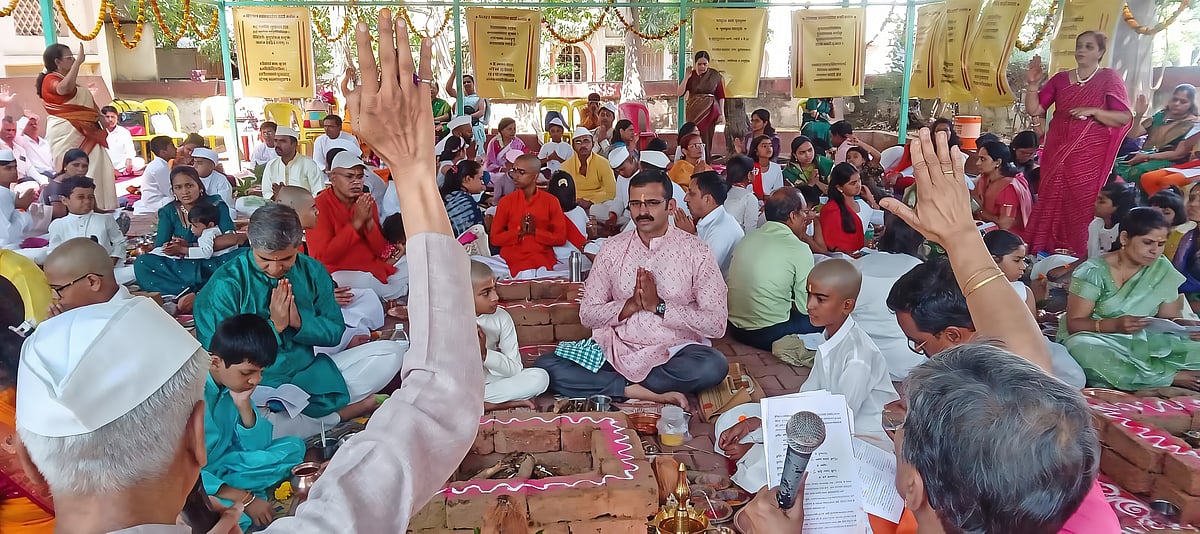
Samuhik Upanayan | Pic: Jnana Prabodhini
Although no longer operational, SSS lives on in generations of purohitas for whom priesthood has been a calling rather than a career. “For a good six years in the mid-nineties, I made day-trips to Pune every fortnight to train under SSS alumna Shubhada Jog, leaving my young son in the care of my mother-in-law and friends,” reminisces Gokhale, 64. She has also been training purohitas since 2002, her current batch comprising 35 women.
Breaking New Ground
Around the time Thatte was preparing to help women breach the male bastion of priesthood, Jnana Prabodhini (JP), founded in 1962 by educationist and social activist Dr. V. V. Pendse to “motivate intelligence towards social change,” was also gearing up to play its part. Pendse was a staunch votary of re-examining religious rituals performed without understanding their rationale and relevance. In keeping with his reformist streak, the institution’s Sanskrit research department began work on simplifying rituals in 1975.
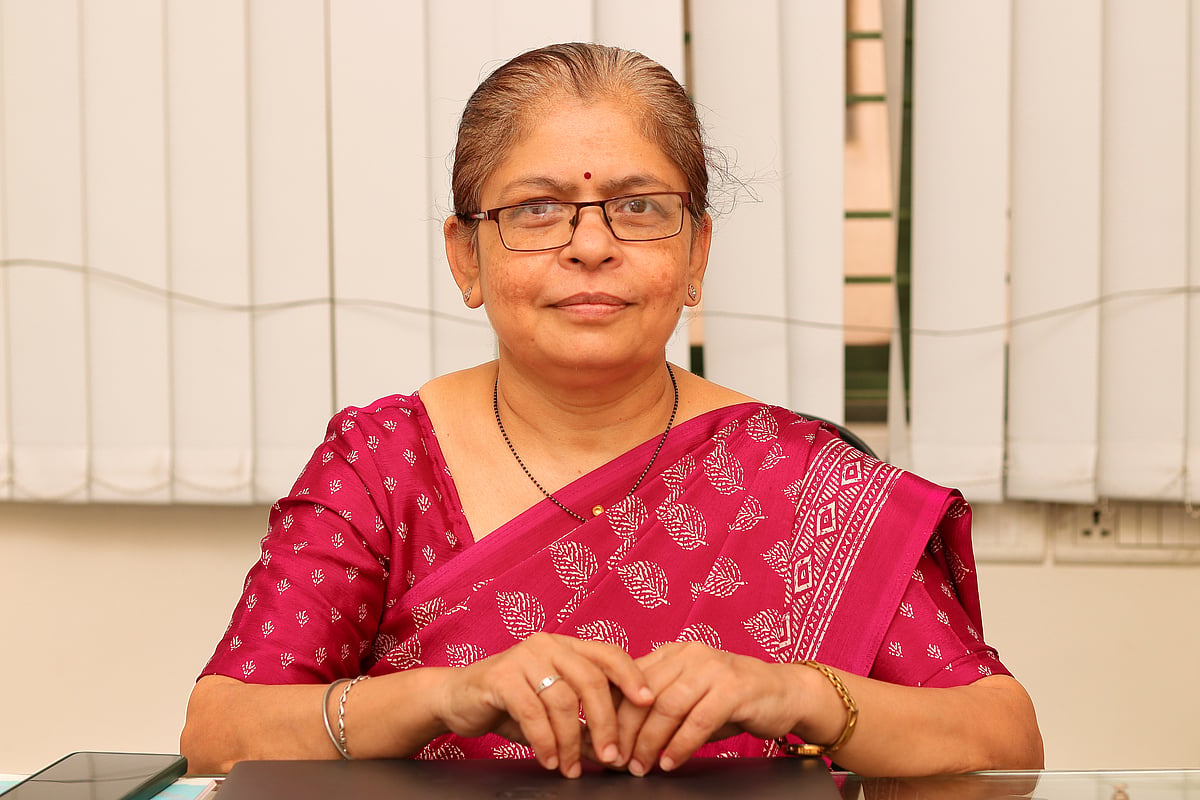
Dr Manisha Shete | Pic: Harsh Kabra
JP launched its own training programme for priests in 1992 and has trained over 800 purohitas to date. More than 100 of them have taken up full-time priesthood, conducting the entire spectrum of Hindu rites across India as well as online for overseas Indians. “There were few students initially,” says Dr. Manisha Shete, head of the institute’s priest-training programme. “By 2006, we had almost equal numbers of men and women. In a batch of 40 today, only four or five are men.”
The programme duration has also increased from three to 15 months. While earlier batches consisted largely of Brahmin homemakers over 45, women under 40 from across communities and professions, including those in well-paid corporate jobs, have also been joining the programme over the past few years. “We counsel Bahujan students constrained by worries about finding social acceptance,” Shete informs. Between 2022 and 2025, JP’s priests performed more than 14,500 sacraments, including nearly 300 in 18 states, as far afield as Himachal Pradesh, Assam and Kerala.
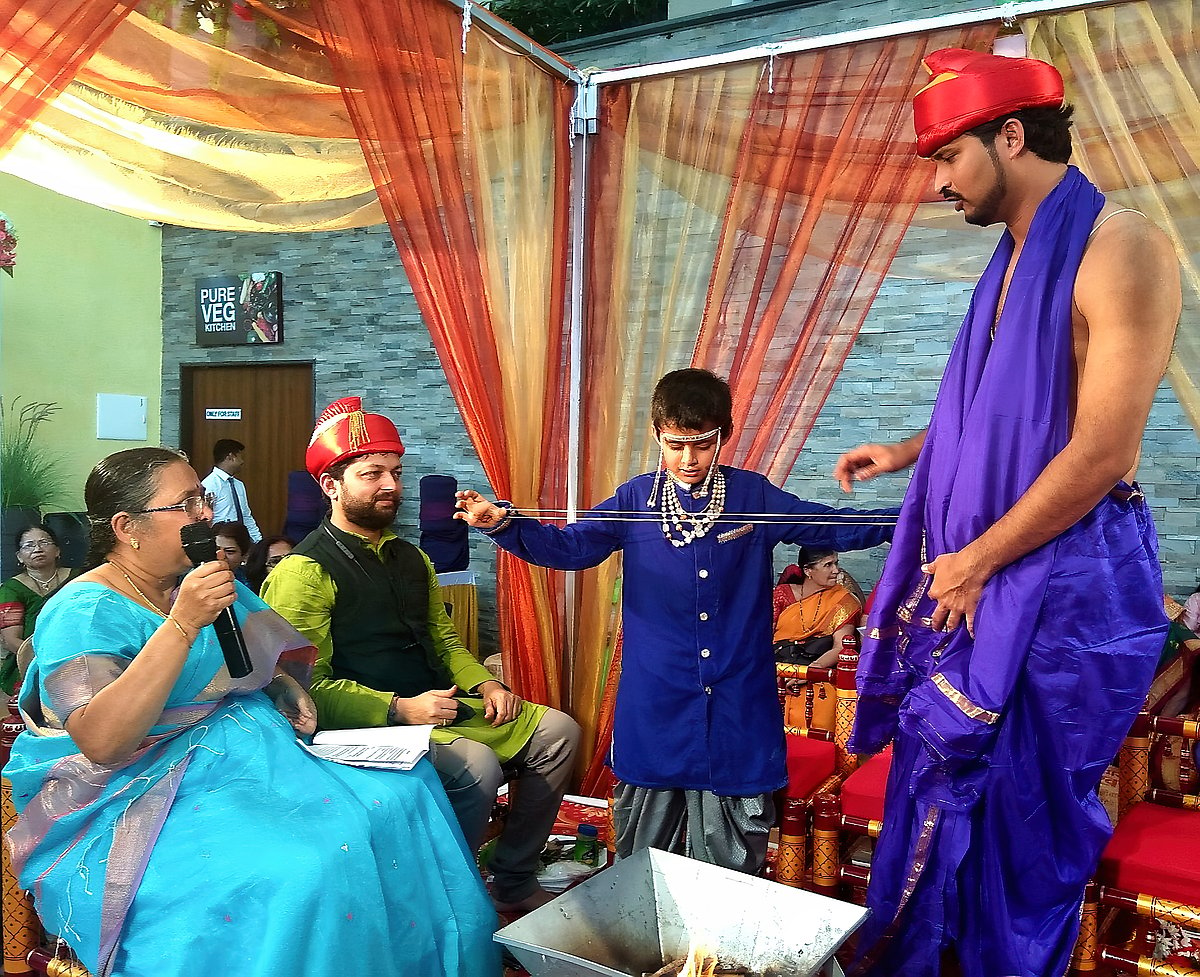
Upanayan | Pic: Jnana Prabodhini
Over time, the last frontier — Daahkarma or funeral rites — has also yielded. Chitra Chandrachud, now 81, has performed hundreds of funerals. “Every girl should be allowed to say goodbye to her loved ones and perform their last rites if she wishes to,” says Chandrachud, who began officiating at funeral rites in her early fifties.
Merit Over Birth
What drew Likhite and Betkar to priesthood was their search for answers. Likhite was 13 when the death of her mother left her struggling with the question, “Why me?” That led her to mantras. “Priesthood became my way to help others like me who are trying to make sense of customs treated as sacred mysteries,” she says. “It isn’t unusual for first-time clients to relentlessly challenge me throughout ceremonies before eventually coming around. A purohita is a guide, counsellor and moral adviser.”
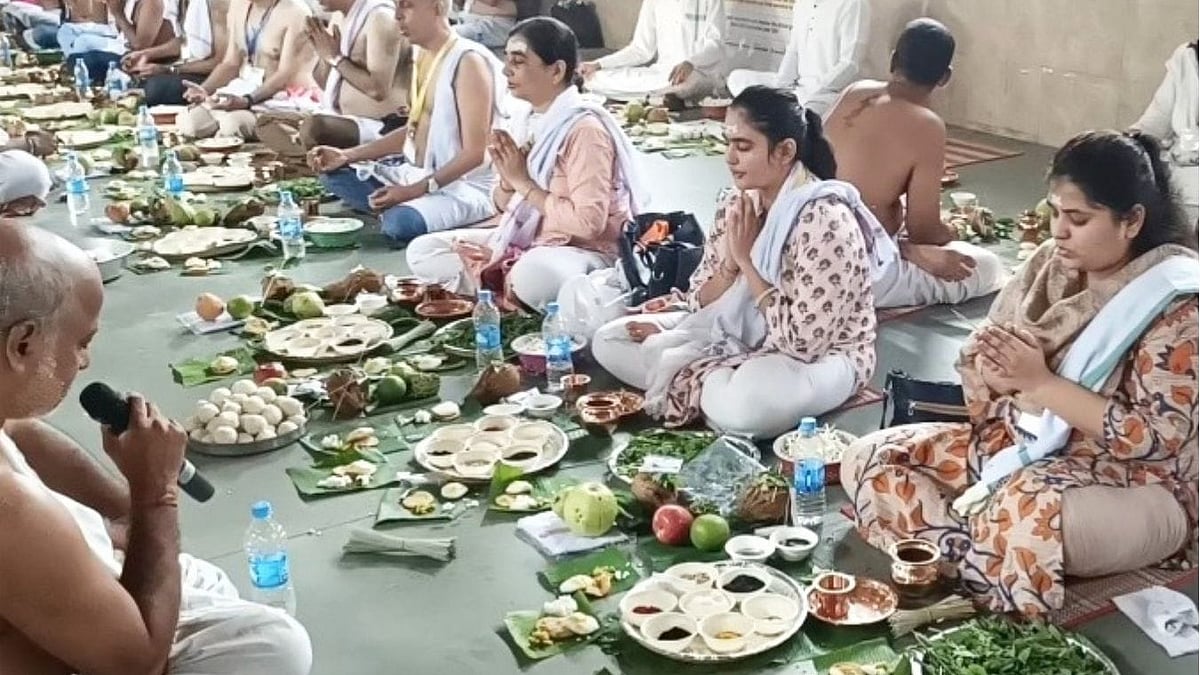
For Betkar, the first woman in her family of priests to enter priesthood, it was her father’s shraddha that opened the floodgates to questions. “The visiting priests were of little help,” she recalls. “That got me interested in priesthood, especially in shraddha rituals, considered inauspicious and uncommon for women priests.”
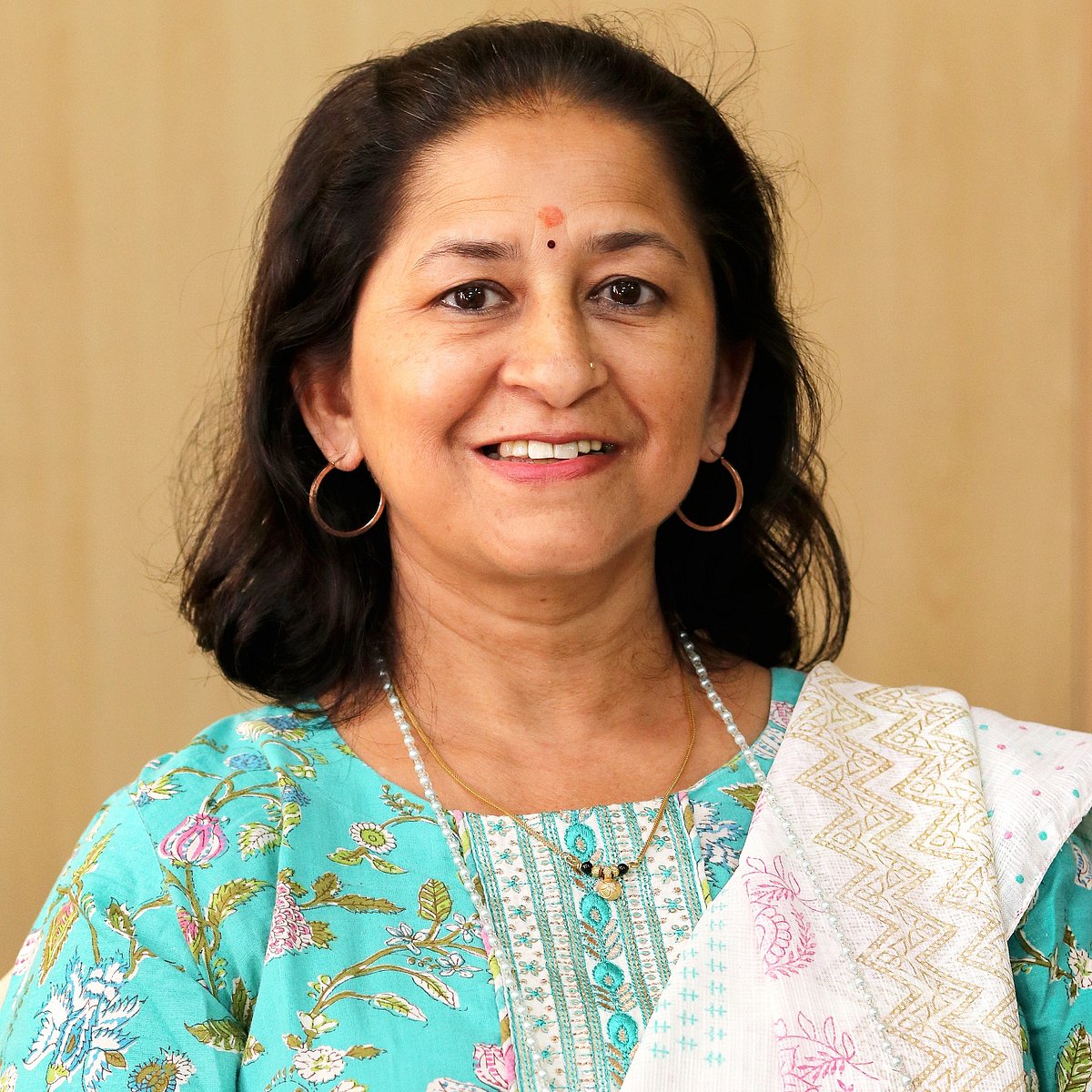
Mohini Badwe | Pic: Harsh Kabra
Mohini Badwe first came across a purohita at a wedding in 2019. “I was taken with how well she explained everything,” she says. When it came to her father-in-law’s shraddha, she didn’t think twice before turning to Betkar, even though her own parents were sceptical. “We were always intimidated by shraddha rituals because we barely understood them,” says Badwe. “But when Urmilatai explained the meaning and symbolism behind each step and offering, even linking them to contemporary life, my parents too were convinced.”
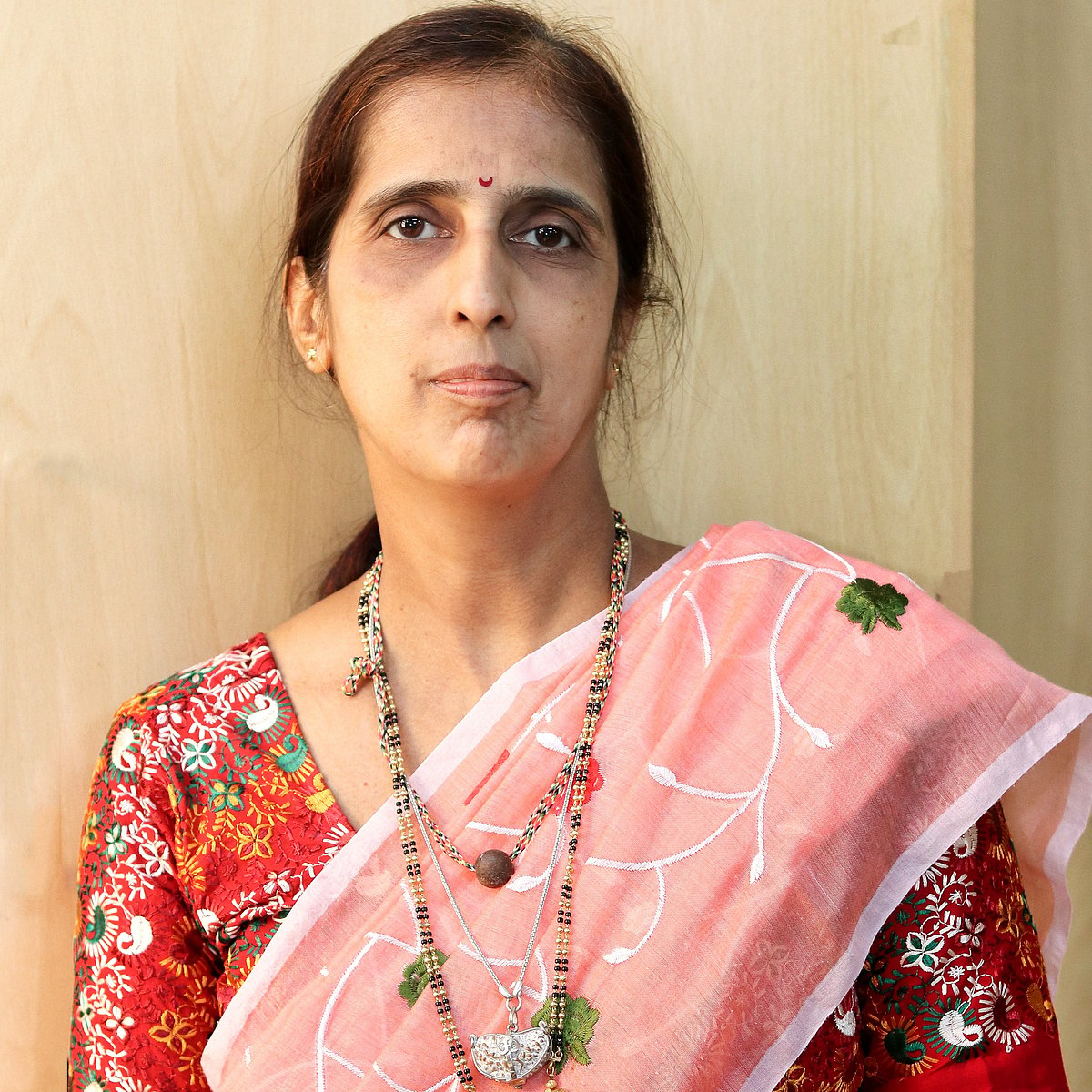
Urmila Betkar | Pic: Harsh Kabra
While purohitas have also become something of a talking point because of social media, Bapat says that has helped widen acceptance. A trainer since 2018, she also comes across “more professionally-minded learners” nowadays who cannot comprehend the need for rigorous training when everything is available online. “They soon realise that priesthood is not just about memorising mantras, but about helping people understand rituals,” she says. “Even in times of artificial intelligence, purohitas are continuing to make a mark through rigorous study and competence. Gender and caste matter far less today.”

For Shete, the real measure of progress is the change in societal attitudes towards purohitas and the conviction that there is nothing they can’t or shouldn’t do. “Ultimately it is all about merit,” she says. As torchbearers of Maharashtra’s seminal contribution to liberating priesthood from the shackles of gender, heredity and caste, the state’s purohitas continue to show that faith, when reimagined through new voices and perspectives, can remain both timeless and progressive.

