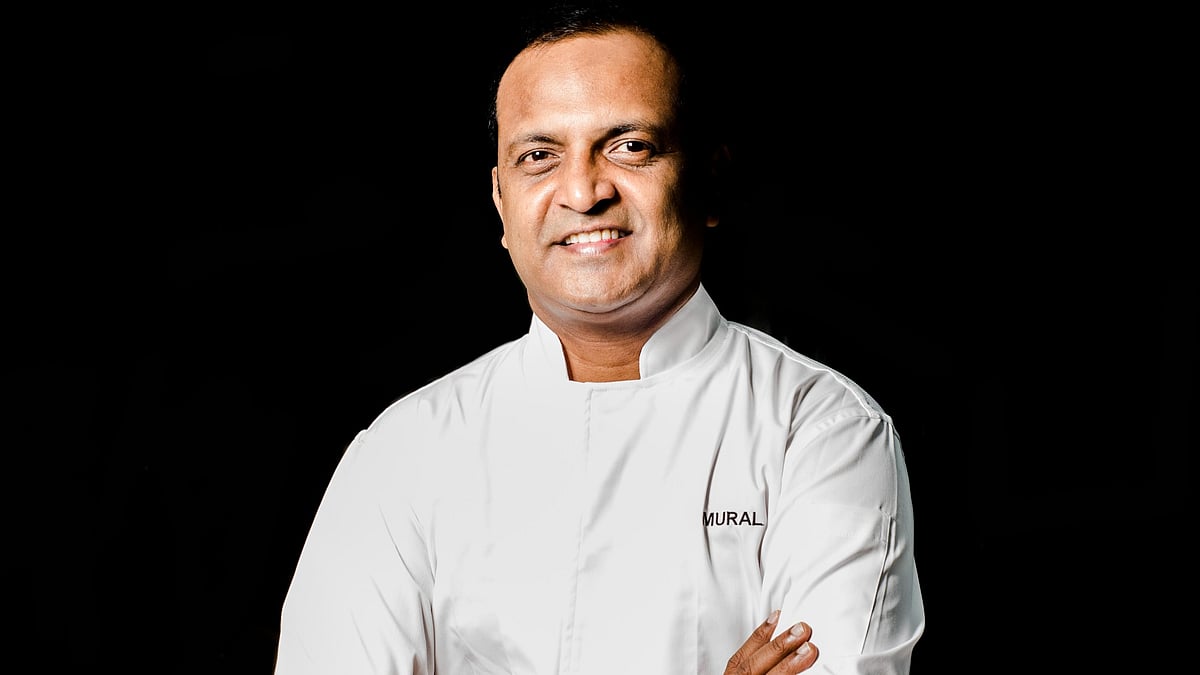
Manjunath Mural – a name that’s recognised in the culinary world as one of the few Indian chefs who have been honoured with a Michelin Star for their restaurant. Chef Manjunath’s journey has been interesting and exciting. While he started as an assistant at the Centaur Juhu post his graduation, his urge to do more took him away from India. He admits that he moved away from India, his family only because he thought there was no growth for him in India in the given circumstances.
Move to the eastern shores like Indonesia, Jakarta and Singapore helped. Each country helped him discover more of himself. “And food,” he adds. He has been a guest chef at restaurants in Dubai, Shanghai. And his dream Song of India in Singapore has won him many laurels including a Michelin Star, which still continues after 10 years.
In Mumbai for a pop-up at St.Regis, Chef Manjunath shares his journey and philosophy behind these pop-ups.
Excerpts from an interview:
How much does an IHM degree actually help in starting a restaurant?
An IHM degree helps build a strong foundation in the hospitality industry. It gives you structure, discipline, and an understanding of how hotels and kitchens function. But when it comes to opening a restaurant, practical experience matters even more. The time you spend working in kitchens, understanding operations, handling teams, and being part of pre-opening setups prepares you for the real challenges of running a restaurant.
Why did you move to Singapore?
I always wanted to gain experience in standalone Indian restaurants and work closely with regional Indian flavours. Singapore gave me the opportunity to present Indian cuisine to a global audience and create something unique, rooted in Indian flavours but relevant internationally.
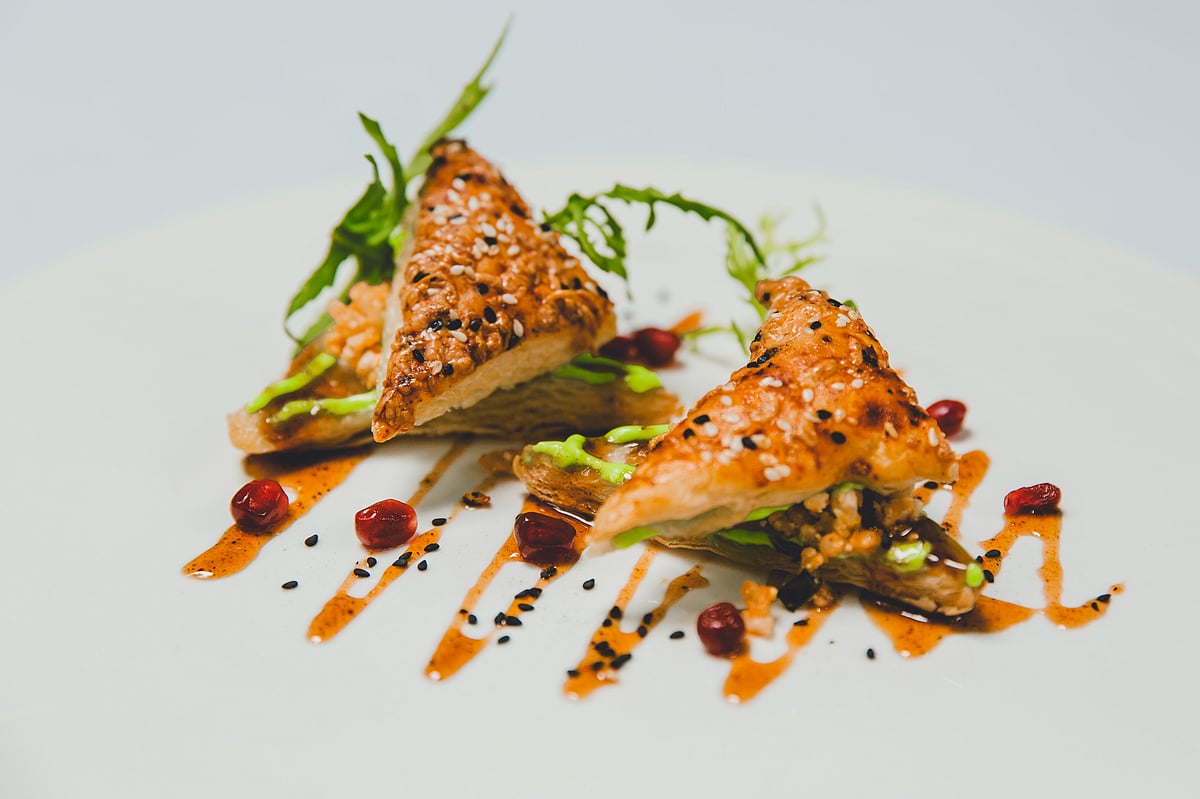
Deconstructed samosa |
How much did you contribute in deciding which cocktails should be paired with your food?
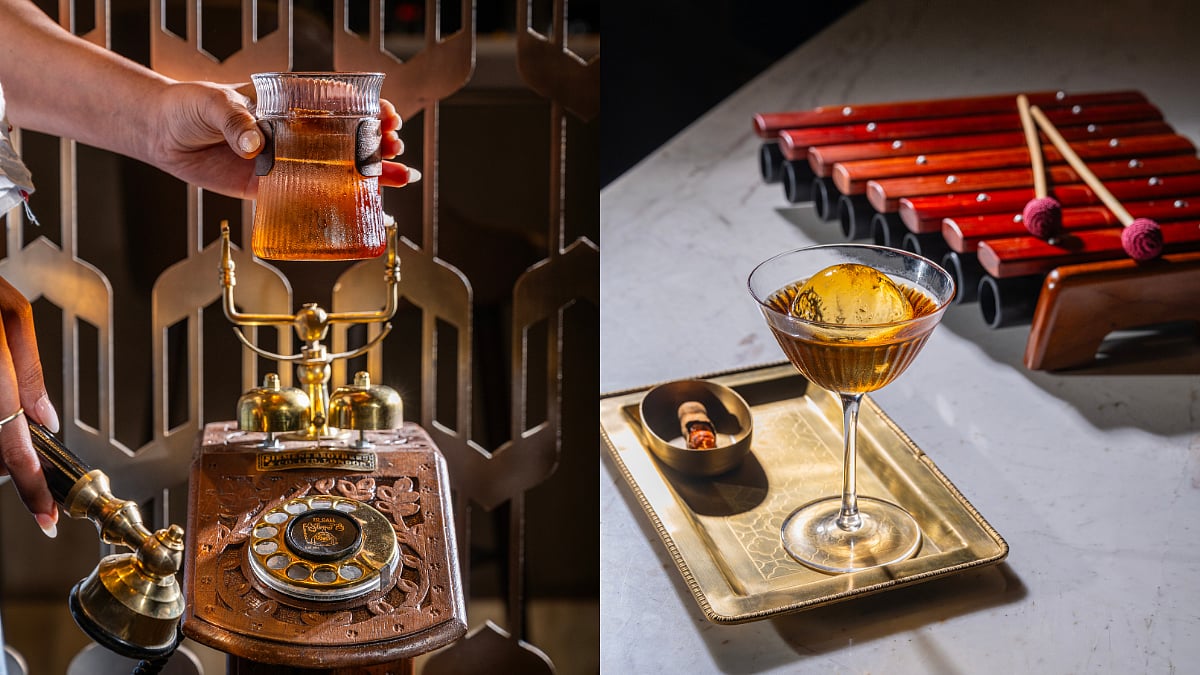
Food and drinks should work like an orchestra. As a chef, when I create a dish, I understand its spice levels, intensity, and depth of flavour. I share these insights with the mixologist so we can craft cocktails that complement the dish rather than overpower it. I believe chefs should actively contribute to beverage pairings. It creates a more complete and thoughtful dining experience.
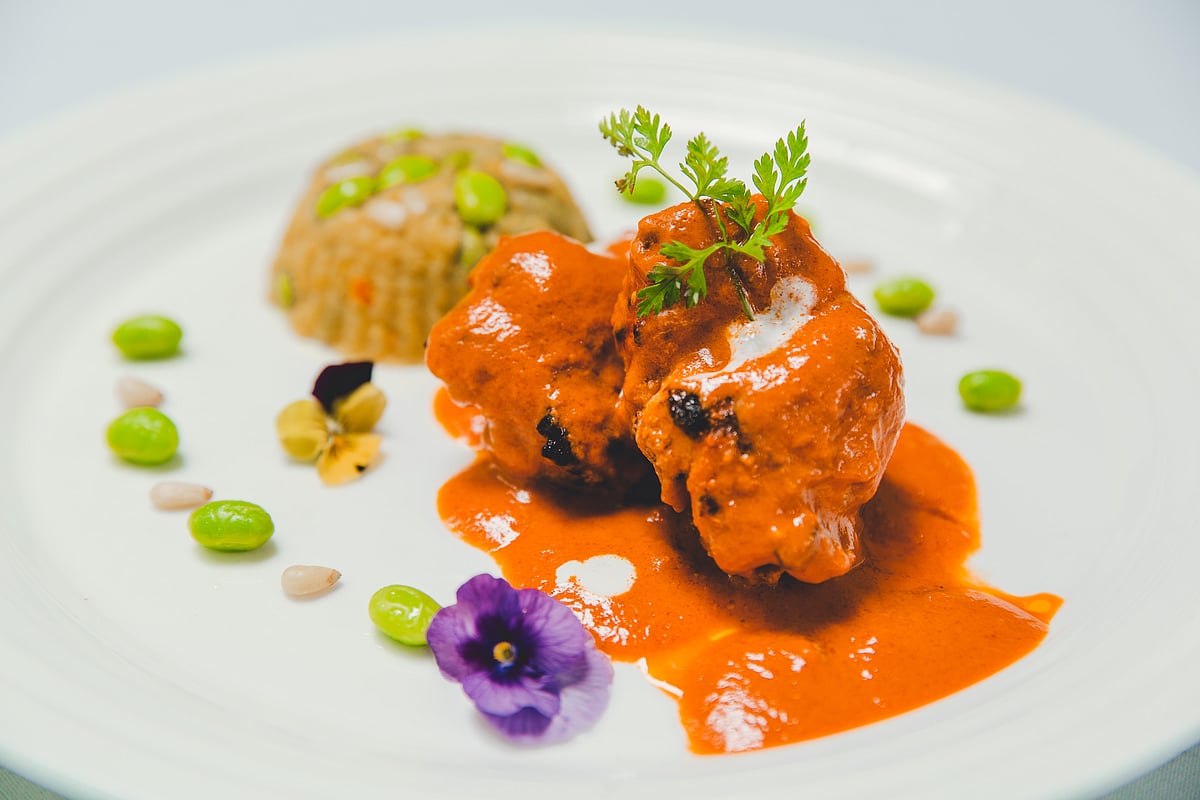
Butter chicken |
While experimenting with Asian and Indian flavours together, what commonalities struck you?
The strongest connection is flavour. Both cuisines rely heavily on spices, aromatics, bold ingredients, and layered cooking techniques. These similarities make it possible to bring the two together naturally. That’s how I approach Asian-Indian gastronomy.
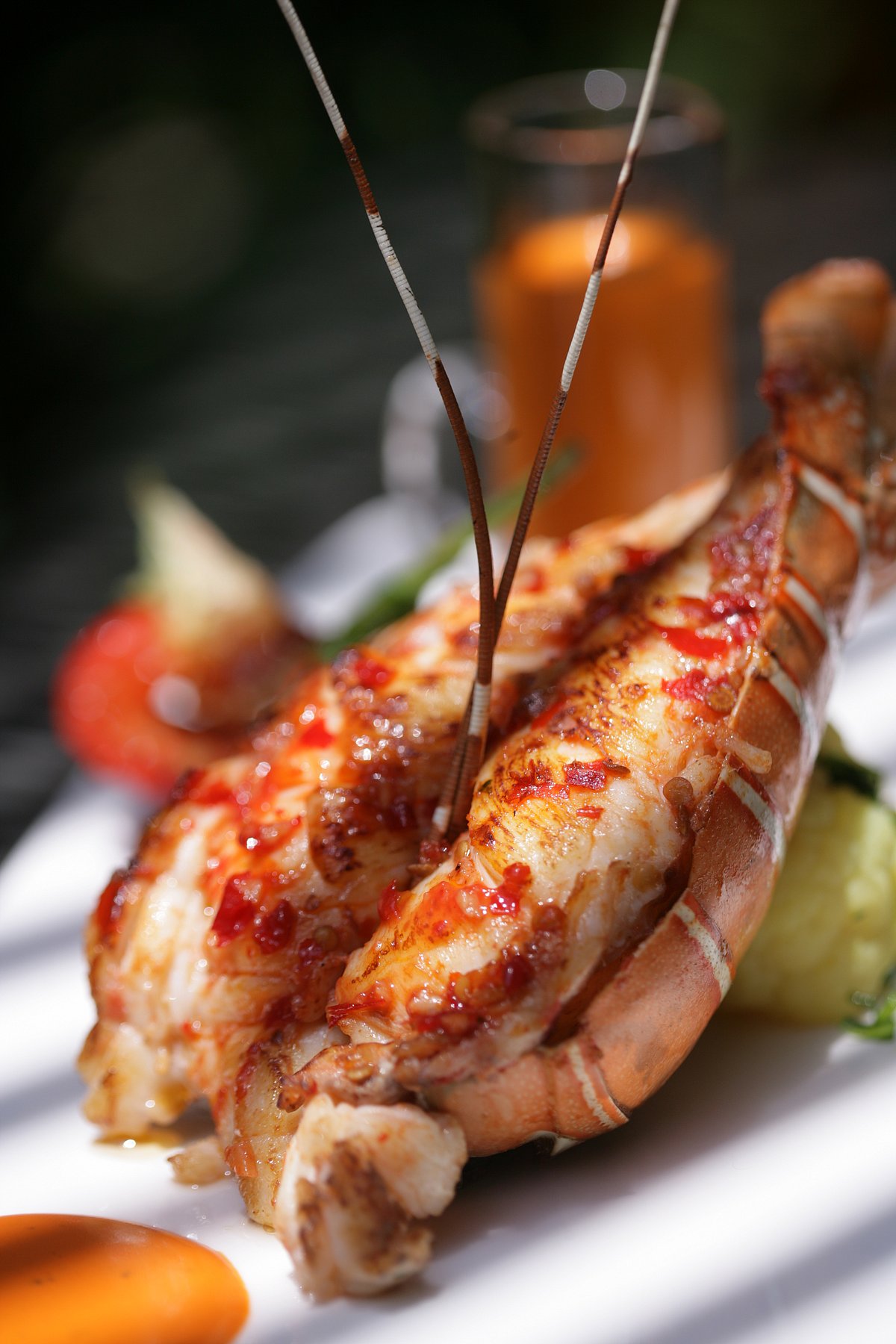
Lobster Moily |
Which is your favourite experiment and why?
One of my favourite experiments was working with Laksa sauce. I introduced it during a restaurant event, and the response from guests was overwhelming. It eventually became a favourite on the menu.
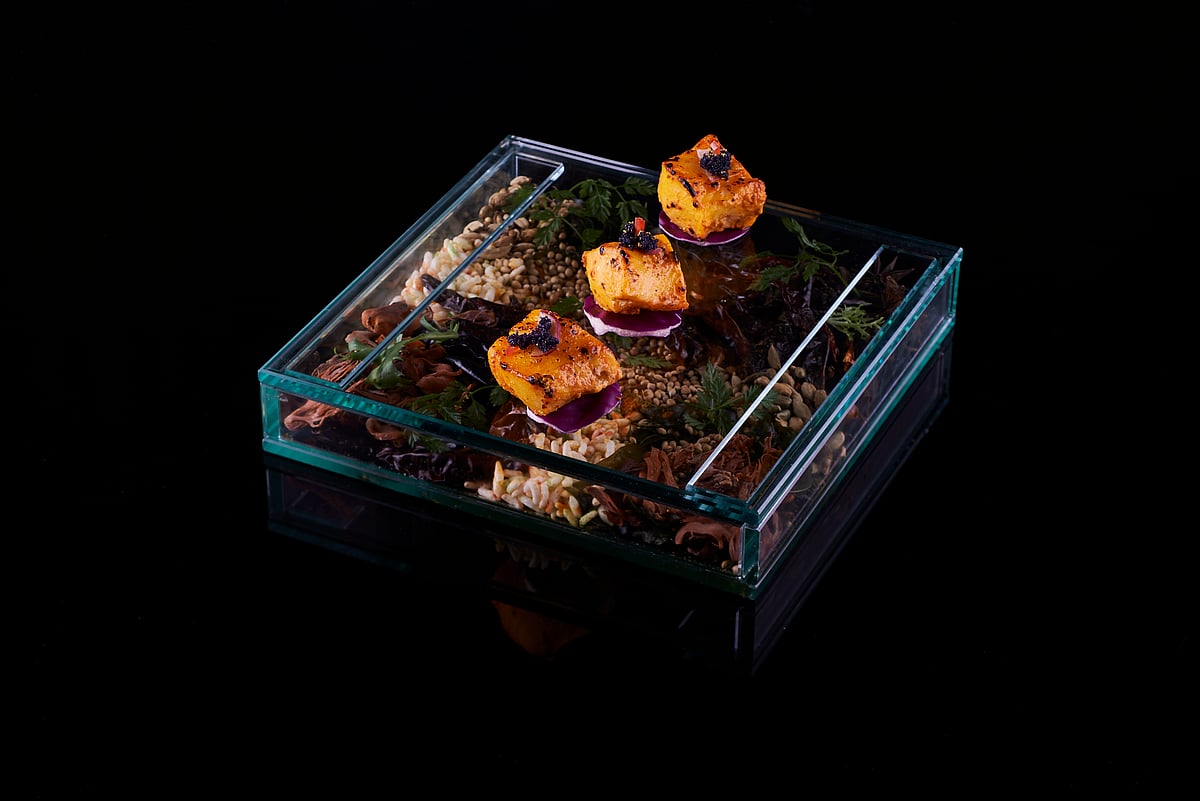
Sarson cod tikka |
Was there ever a time when an experiment didn’t work?
Of course. Not every experiment works the first time. There have been combinations that didn’t feel balanced. But I see that as part of the process. I go back, refine the elements, adjust flavours, and keep improving until the dish truly complements itself. Experimentation requires patience.
How do pop-ups like this help?
Pop-ups allow chefs to present their cuisine and philosophy to a wider audience. They create awareness, open conversations, and showcase how Indian cuisine continues to evolve. It’s also an opportunity to connect directly with diners and receive feedback.
How do you decide your menu for pop-ups?
The menu depends on the audience, the collaborating chef, and the type of restaurant or venue. I consider who I am cooking for, the setting, and what story I want to tell through the food. A pop-up menu should feel intentional and suited to that particular experience.

