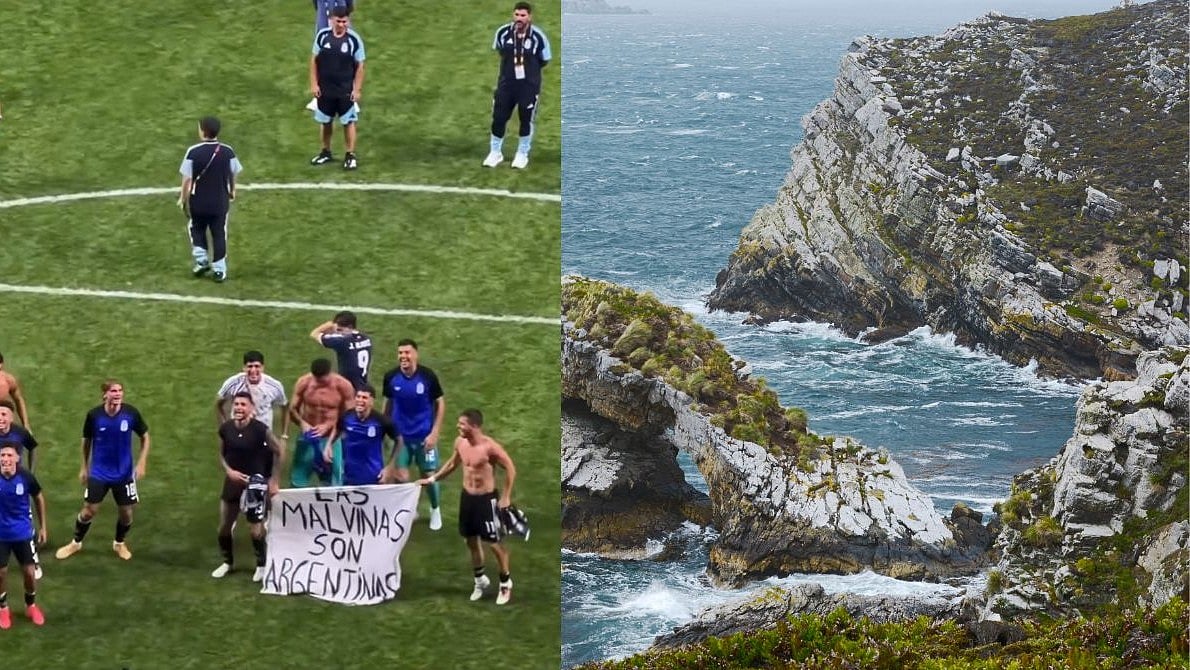
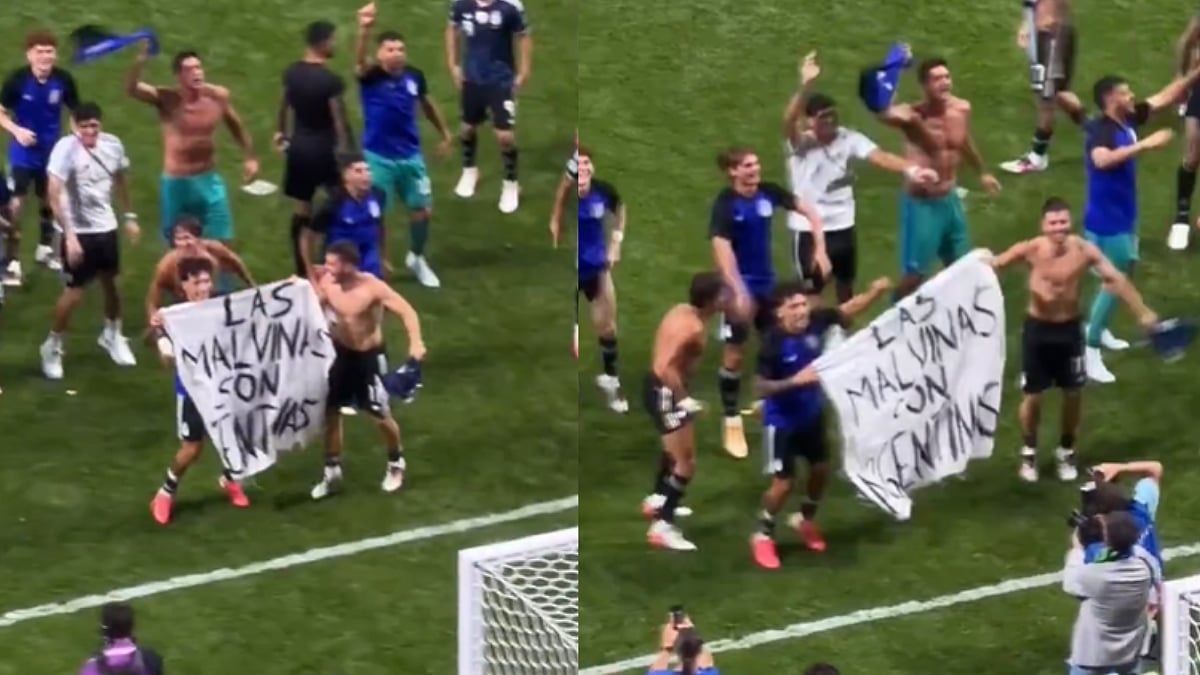
Argentina's long-standing claim over the Falkland Islands, known in the country as Las Malvinas, has once again made headlines after the dispute surfaced in the world of football. The controversy has sparked discussions after Lionel Messi and his teammates celebrated their semifinal win over England by holding a banner that reads "Las Malvinas son Argentinas", which translates as "The Falklands are Argentine". The political controversy has erupted after Argentina defeated England 2-1 and reached the FIFA World Cup 2026 final in Atlanta on Thursday, July 16, 2026.
What is the Las Malvinas controversy?
If you look closely at the world map, you will find an archipelago in the South Atlantic Ocean near Argentina named the Falkland Islands. The islands are a British Overseas Territory, located around 500 kilometres off the coast of Argentina. Argentina refers to the islands as Las Malvinas and has claimed sovereignty over them for nearly two centuries. The United Kingdom has administered the islands since 1833.
The dispute escalated into the 1982 Falklands War, a 10-week conflict between Argentina and the UK. British forces regained control of the islands, but Argentina has continued to maintain that the territory belongs to it.
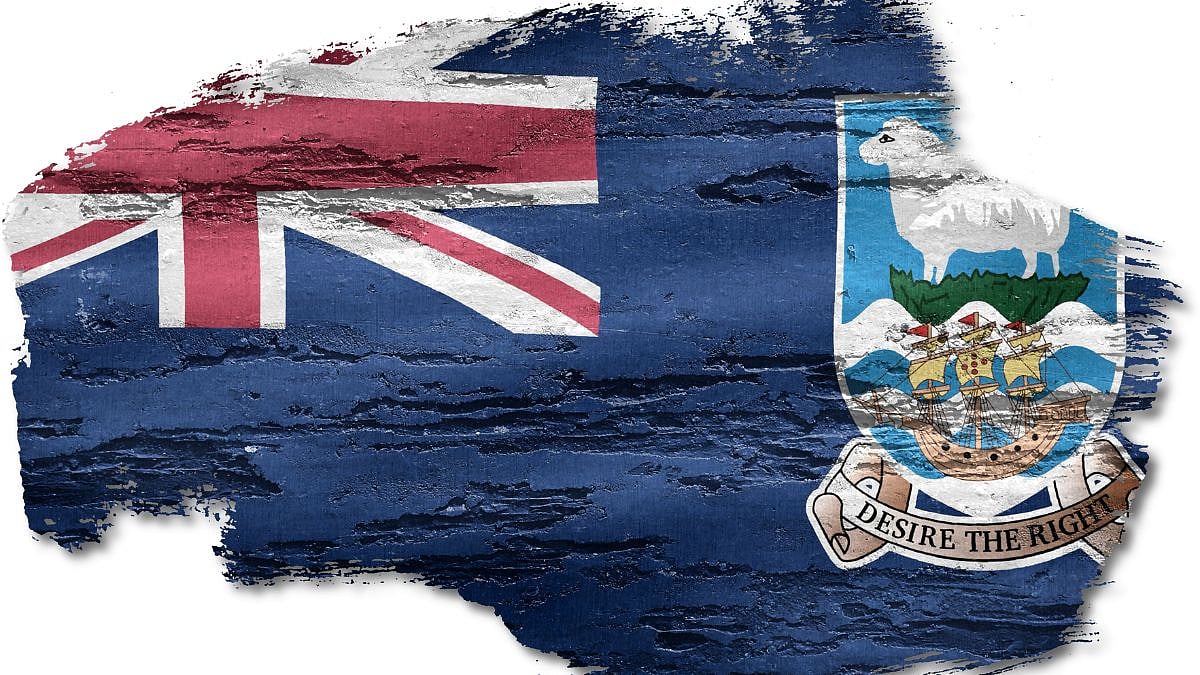
Falkland Islands Flag | Canva
Argentina players show Falkland banners
The conflict between Argentina and the United Kingdom is not from today; it's from the 19th century, just like any other dispute between countries, including Armenia and Azerbaijan, India and Pakistan, and more. However, the recent flag showing against the Falklands has once again reignited the unsolved issue between Argentina and the self-governing British Overseas Territory in the South Atlantic.
Why could FIFA act?
FIFA has strict regulations prohibiting political, ideological, or territorial messages during football competitions. If players, teams, officials, or football associations display symbols, banners, or slogans related to the Falkland Islands dispute during FIFA-sanctioned events, the governing body could investigate the matter and take disciplinary action. Argentina may face a penalty from the global governing authority of the sport. FIFA has previously sanctioned teams and associations for displaying political messages, arguing that football should remain neutral and free from geopolitical disputes. In the past, FIFA had enacted a penalty of 30,000 Swiss francs fine on Argentina Football Association in 2014.
The dispute in detail
The dispute escalated into the Falklands War in 1982, when Argentina invaded the islands, which led Britain to launch a military operation to reclaim them. The conflict lasted 74 days and ended with Argentina's surrender. Around 649 Argentine, 255 British, and three Falkland Islanders lost their lives.
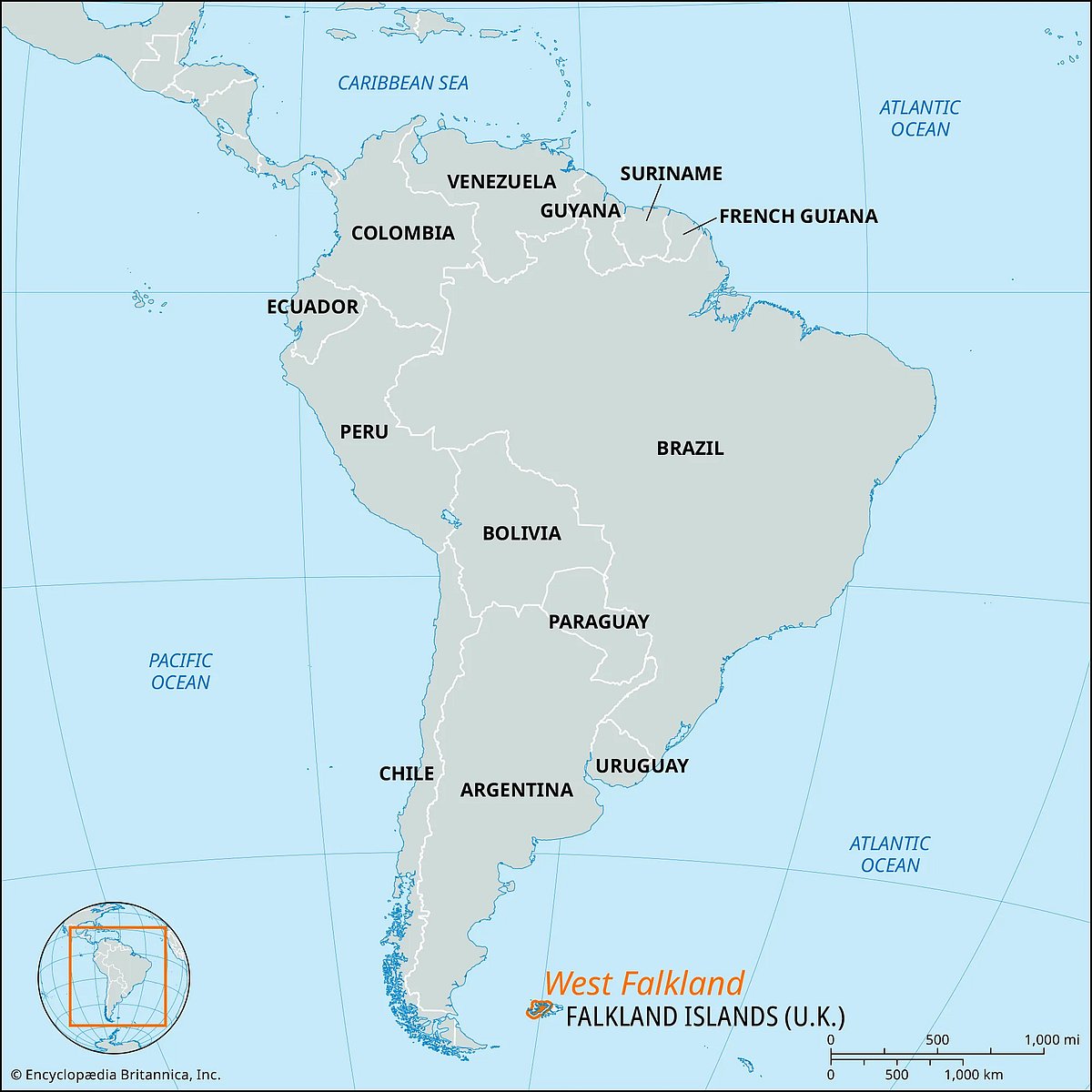
Britannica
Today, the UK continues to govern the islands, while Argentina regularly reiterates its claim in international forums. In a 2013 referendum, nearly all Falkland Islanders voted to remain a British Overseas Territory, a result the UK cites as evidence of the residents' right to self-determination. Argentina, however, does not recognise the referendum and continues to refer to the islands as Las Malvinas. It keeps the sovereignty dispute unresolved. Today, the islands are home to around 3,500 people, most of whom identify as British.

