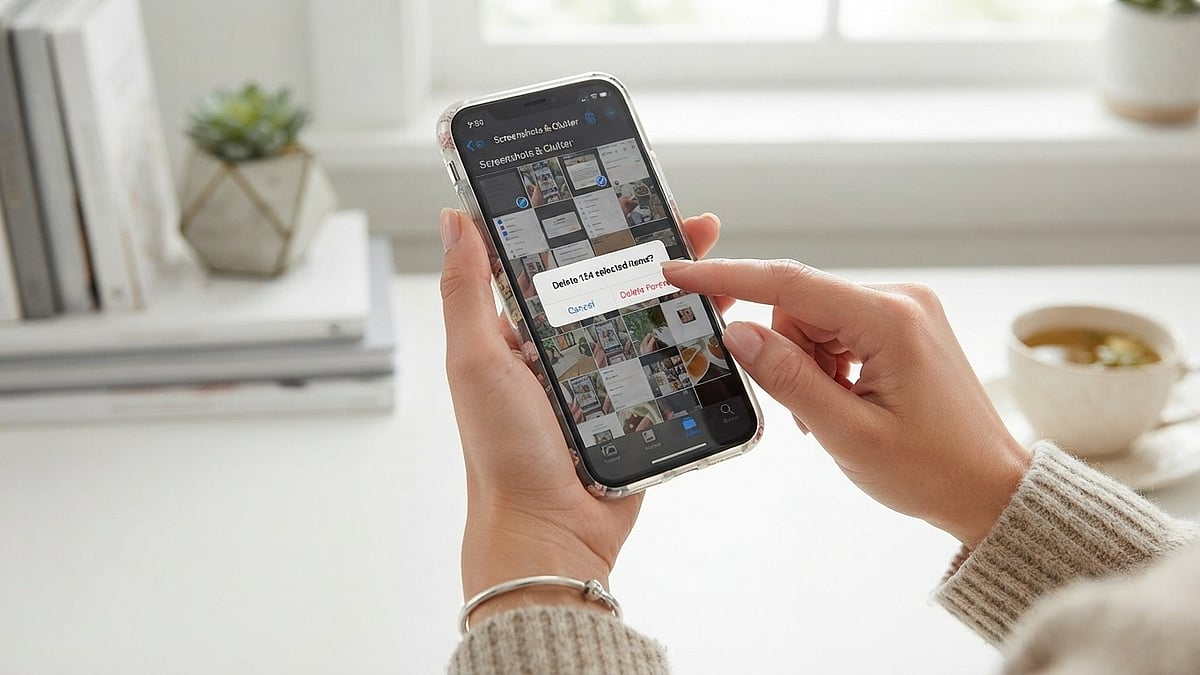
Your phone, tablet, or computer can be your window to the world, but also a space of maximum chaos, if left cluttered. That is why many opt for digital decluttering these days, to optimise the space or navigation.
All about digital declutter
Dr Jagjot Singh, Consultant Mental Health and Behavioural Sciences, Fortis Hospital Ludhiana, rightly says that a huge chunk of our daily working hours is filled with digital consumption. “What we do not realise is that the more time we spend looking at screens, the more overwhelmed the brain becomes. Attention spans become shorter, sleeplessness takes over, and our nervous system stays in a low-grade state of alertness that is not normal for the body.”
Shubham Rangadal, Founder of BlockP, points out that most of us associate digital clutter with running out of storage space. The truth is, it is about running out of attention. He sees digital decluttering as a help to create healthier relationships with technology, in which you decide your time to engage with your device and that too mindfully.
Dipal Dutta, CEO at RedoQ, equates digital clutter to a messy desk. “Just as a messy desk makes it difficult to focus on work in the office, an unorganised desktop or an inbox creates subconscious stress. Cleaning up the digital space frees up storage, improves device performance, and saves time when searching for important files.”
Appearance
Digital clutter is anything on your device competing for your attention, but not adding real value, reveals Shubham. “People assume it is thousands of photos or an overflowing inbox, but it also looks like 80 unread notifications, 30 browser tabs left open, apps constantly send alerts, WhatsApp groups you muted months ago but still check, excessive exposure to adult content or gambling, or opening Instagram for two minutes and realising half an hour has gone by.” He calls digital clutter a build-up of disorganised files, accounts, and notifications on electronic devices. “Unlike physical clutter, digital clutter is present on your computer, phone, and in cloud storage.”
Signs
Regarding signs to digital declutter, Dr Singh mentions, “Any one in isolation may mean nothing. But recognising several is a warning that your digital life is taking away more than it is adding.”
Getting anxious without the phone
Checking unimportant notifications
Reaching the phone whenever possible
Switching between tasks unconsciously without finishing the first
Fatigue within minutes of scrolling
Struggle to maintain or make conversations
Daily warnings about the device’s full memory
Fast drainage of the battery due to background apps
Computer taking time to start up
Micro digital Vs. digital
Dutta considers micro digital decluttering as a practice of breaking down your cleanup into tiny, manageable steps that take only 5 to 15 minutes each. “Instead of attempting to sort through your entire computer in one weekend, you tackle one category at a time.”
Dr Singh calls digital declutter as the bigger reset in which there is a conscious choice to deep clean everything. And it feels draining or of no value anymore. “Micro-decluttering is the small habit preventing you from reaching a point where a full audit and reset is needed.”
In Shubham’s experience, those who adopt small routines will stick to healthier digital habits over those trying to digital detox completely once in a few months.
Tips
Start with the phone: Dr Singh suggests looking at the home screen to reveal the apps one actually uses daily. “Remove the ones you hardly or never use.” Shubham wants everyone to check the weekly screen-time report, since ‘awareness is the starting point for meaningful change’.
Unsubscribe from or remove non-valuable lists: Dr Singh calls email a heavy source of digital clutter. “Unsubscribe from promotions, newsletters, or content you do not read, rather than letting them pile up,” he suggests. Dutta suggests deleting duplicate or blurry photos and unwanted screenshots whenever possible.

Set up a folder hierarchy: Dutta suggests creating broad categories like personal and work. “Delete temporary downloads, clear your desktop of random files, and empty your computer bin. Try to avoid keeping duplicate files in multiple places.”
Curate your social media: Unfollow accounts with no value or that make you anxious or unhappy, says Dr Singh. “Use the platform’s time limit feature. Consciously avoid using social media as the first thing in the morning and the last thing at night.”
Create phone-free routines: “Keep your phone away during meals, conversations and at least 30–60 minutes before bedtime,” Shubham mentions. He sees these small boundaries boost attention during the day and sleep quality at night.
Digital decluttering can be the deciding factor to move toward digital excellence with little to no undesirable baggage.

