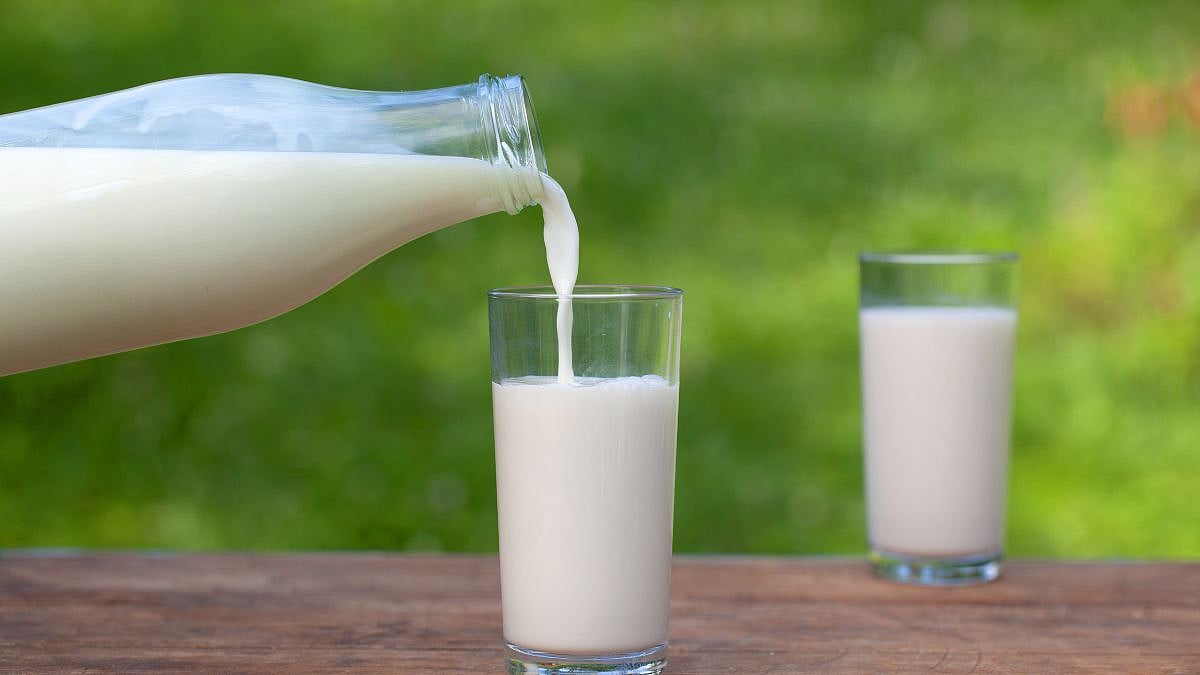
Growing up, we were always encouraged to drink milk and consume dairy products for strength and good health. In Ayurveda, milk and dairy products are held in high esteem for their numerous health benefits. However, many of us are unaware of the correct way to consume dairy and make the most of its nutritional value.
Every year, World Milk Day is observed on June 1 to raise awareness about the importance of milk consumption. Let us use this occasion to understand the common mistakes people make while consuming dairy, learn the Ayurvedic principles of proper dairy consumption, and explore the Patanjali milk products that can support overall health and well-being.
Dairy Consumption
According to Ayurveda, one of the biggest mistakes people make while consuming dairy is pairing it with incompatible foods such as sour or citrus items, bananas, meat, fish, and certain fruits. Such combinations can weaken the digestive fire (agni), leading to issues like gas, skin problems, allergies, and bodily blockages.
Drinking cold milk can also contribute to digestive discomfort and excess mucus formation. From milk to curd and other dairy products, each item is best consumed at a specific time to maximise its benefits. However, many people overlook these guidelines, which may affect sleep, bodily channels, and other essential functions.
Another common mistake is ignoring one's dosha while consuming dairy products. This can contribute to concerns such as respiratory issues, acidity, skin inflammation, and digestive imbalances. Overconsumption of dairy may also lead to nutrient-related imbalances, excessive mineral intake, heart-related concerns, and hormonal disturbances.
According to Ayurveda, consuming dairy products in the right way can significantly support overall health and well-being. Discover these Ayurvedic practices and learn about the Patanjali products that can be included in your diet.

4 Ayurvedic Tips to Consume Milk / Dairy
Food Pairing: Ayurveda recommends enhancing milk with digestive spices such as turmeric, cardamom, and cinnamon to reduce heaviness and support digestion. Similarly, adding spices like cumin and ginger to buttermilk or yoghurt can enhance their benefits. A teaspoon of ghee mixed into milk may help lubricate the digestive system and promote better sleep.
Dry fruits such as almonds, raisins, walnuts, and dates, when soaked, peeled (where applicable), and blended with milk, are considered nourishing and rejuvenating. For sweetness, opt for natural alternatives such as dates, honey, or raw sugar. While most vegetables are not considered compatible with milk, carrots and lauki (bottle gourd) are exceptions and can be paired with it.
Temperature: Milk is best consumed warm or at room temperature. Boiling milk makes it lighter and easier for the body to assimilate. As mentioned earlier, cold dairy products, including milkshakes, can negatively affect digestion. Extremely hot milk should also be avoided, as Ayurveda recommends consuming milk at a comfortable, warm temperature.

Timing: According to Ayurveda, the ideal time to consume milk is at night, around 30 minutes to an hour before bedtime, as it helps relax the body and promotes restful sleep. However, children and individuals focused on workouts or muscle building may also benefit from consuming milk in the morning. Yoghurt and paneer are best consumed during lunch, as they help support digestive fire (agni), while buttermilk serves as a refreshing and digestive-friendly drink in the afternoon.
Doshas: Dairy consumption should also be tailored to an individual's dosha.
Vata Dosha: People with a Vata constitution often experience dryness and coldness. Warm milk infused with spices such as cardamom, cinnamon, and nutmeg is considered beneficial. Fresh butter may also be included in moderation.
Kapha Dosha: Those with a Kapha constitution tend to experience heaviness and sluggishness and should consume dairy products in moderation. Warm, low-fat milk is generally preferred, along with digestive spices such as turmeric and black pepper.
Pitta Dosha: Individuals with a Pitta constitution are associated with heat and intensity. Milk consumed at room temperature is often recommended, and cooling ingredients such as rose petals and saffron can be added to help balance the dosha.
Among the wide range of Patanjali dairy products, you can begin with Patanjali Cow's Whole Milk Powder (200 Gms and 500 Gms) and Patanjali Cow's Skimmed Milk Powder (200 Gms and 500 Gms), both of which can be conveniently used in a variety of dishes.
Another option is Patanjali Cow's Ghee (200 Ml, 450 Ml, and 5 Ltr). Made from cow's milk, it can be incorporated into various preparations for both its taste and potential health benefits. For fitness enthusiasts, Patanjali Nutrela Sports Whey Performance – Malai Kulfi (1 Kg and 2 Kg) and Patanjali Nutrela Sports Whey Performance – French Vanilla (1 Kg and 2 Kg) are suitable choices. These products support faster muscle recovery, improved stamina, and reduced fatigue and muscle cramps.
This World Milk Day, observed on June 1, embrace the Ayurvedic approach to consuming milk and dairy products. Following the right practices can help you enjoy their benefits while ensuring they support your overall health and well-being

