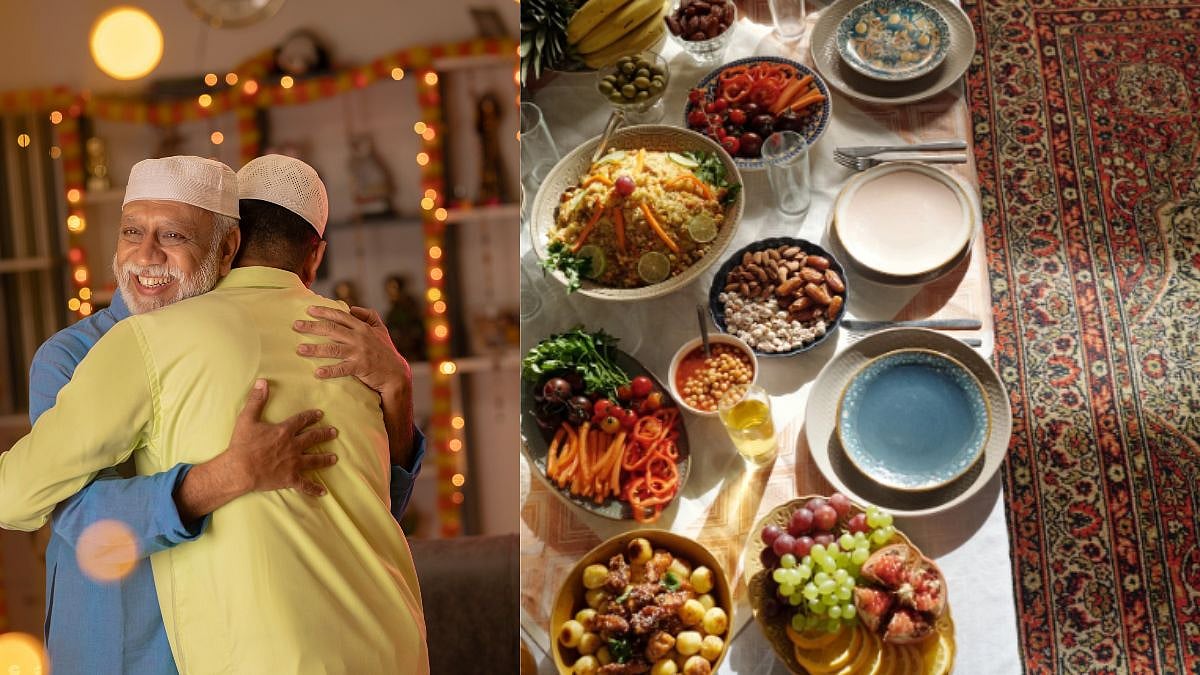
Eid-Ul-Fitr is one of the most important festivals in the Islamic calendar that marks the end of Ramadan. It is the holy month of fasting. The festival is celebrated on the first day of Shawwal, the tenth month of the Islamic lunar calendar. On this auspicious day, Muslims from around the world come together to pray, share meals, and spread joy and goodwill. But, do you know that Eid-ul-Fitr is also called Meethi Eid (Sweet Eid)? Keep on reading to know more about the Eid, celebration, and significance.

Eid-Ul-Fitr | Canva
Why Eid-Ul-Fitr is known as Meethi Eid?
Eid-Ul-Fitr is often called ‘Meethi Eid’, which literally means “Sweet Eid”. The name comes from the tradition of preparing and enjoying sweet dishes to celebrate the conclusion of a month-long fast. After fasting from dawn to sunset during Ramadan, families indulge in sweets like sewaiyan (vermicelli pudding), kheer, sheer khurma, and various desserts. It symbolises happiness, gratitude, and the sweetness of life after self-discipline. Sharing these sweets with relatives, friends, and neighbours is an integral part of the celebration, strengthening social bonds.
Eid-Ul-Fitr significance
Eid-Ul-Fitr is a major Islamic festival which marks the end of Ramadan, a festival where Muslims from around the world fast till dusk to strengthen their faith and self-discipline. Eid-Ul-Fitr, also known as Eid, follows the final days of fasting in Ramadan and is usually celebrated over three consecutive days. This is also an important day to perform charity and help the needy. Zakat-ul-Fitr is also donated on this day, which is compulsory even for children.
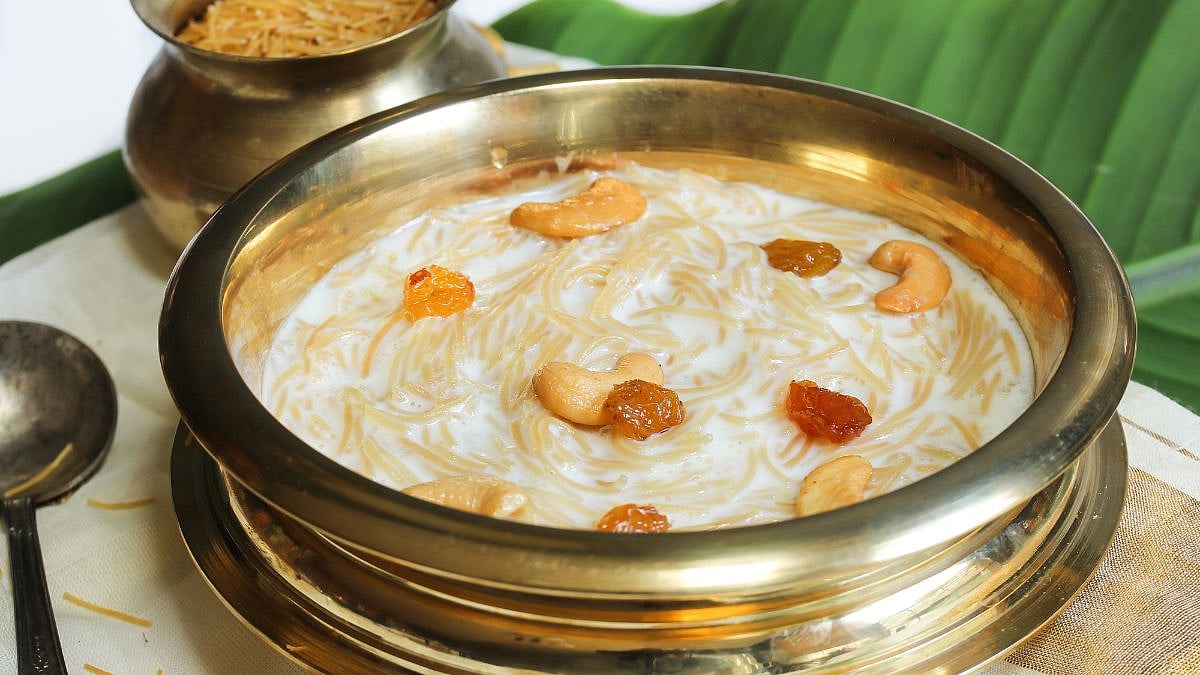
Eid-Ul-Fitr | Canva
Eid-Ul-Fitr rituals
On this day, Muslims from around the world wake up early in the morning and take a holy bath. Muslims visit the mosques and recite prayers shoulder to shoulder. People also read Namaz and the holy Quran. Following all important rituals, they celebrate the festival and rejoice with friends and family. Homes are decorated with lights and special meals are prepared like aromatic biryani, succulent kebabs, sheer khurma, and meat-related dishes such as nihari, curry, and haleem.

