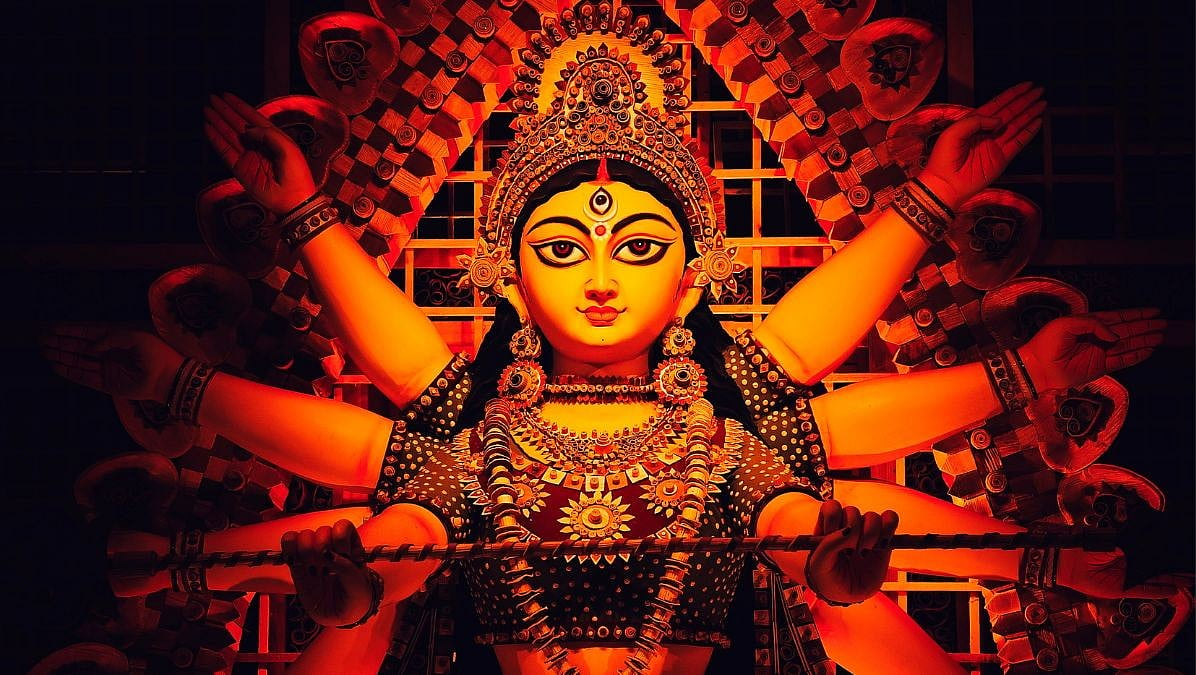
Durga Puja is one of the most significant Hindu festivals, celebrating the victory of Goddess Durga over the buffalo demon Mahishasura, and symbolising the triumph of good over evil. The festival is celebrated with great devotion and enthusiasm, particularly in eastern and southern parts of India, including West Bengal, Tripura, Assam, and Odisha, among others. In 2026, Durga Puja festivities will begin on October 16, with devotees preparing to welcome the goddess through traditional rituals, prayers and cultural celebrations.
Durga Puja 2026: Dates
Durga Puja is one of the important Hindu festivals, which is celebrated as a five-day festival. This year, the festival is set to be observed from Thursday, October 15, 2026, and it will continue until Wednesday, October 21. Maha Ashtami, one of the most important days, falls on Monday, October 19.
Day-wise Durga Puja celebrations
Durga Puja celebrations are observed over several days, with each day holding religious significance. The major festivities include:
On October 16, 2026 – Maha Shashti will be observed. The ceremonial unveiling and welcoming of Goddess Durga mark the beginning of the main celebrations.
October 17-18, 2026, marks Maha Saptami rituals, which include the ceremonial bathing of the Nabapatrika, a group of nine plants associated with the goddess.
October 19, 2026, marks Maha Ashtami: On this day, devotees offer prayers, flowers and pushpanjali. Kumari Puja is also performed in several traditions.
October 20, 2026, will be Maha Navami: On this day, special prayers and bhog offerings are made to Goddess Durga.
October 21, 2026, marks the conclusion of Vijayadashami: The festival concludes with the immersion of Durga idols, symbolising the goddess's return to her divine abode.
Significance of Durga Puja
Durga Puja is also known as Durgotsava. Durgotsava refers to all five days of festivity, and these five days are observed as Maha Shashti, Maha Saptami, Maha Ashtami, Maha Navami, and Vijaya Dashami. Durga Puja is a significant Hindu celebration, especially for Bengalis, commemorating the victory of Goddess Durga over the demon Mahishasura, representing the conquest of good over evil. The celebration signifies the yearly return of Goddess Durga to her maternal home, featuring lavish public festivities with intricate decorations and pandals.
Rituals and celebrations
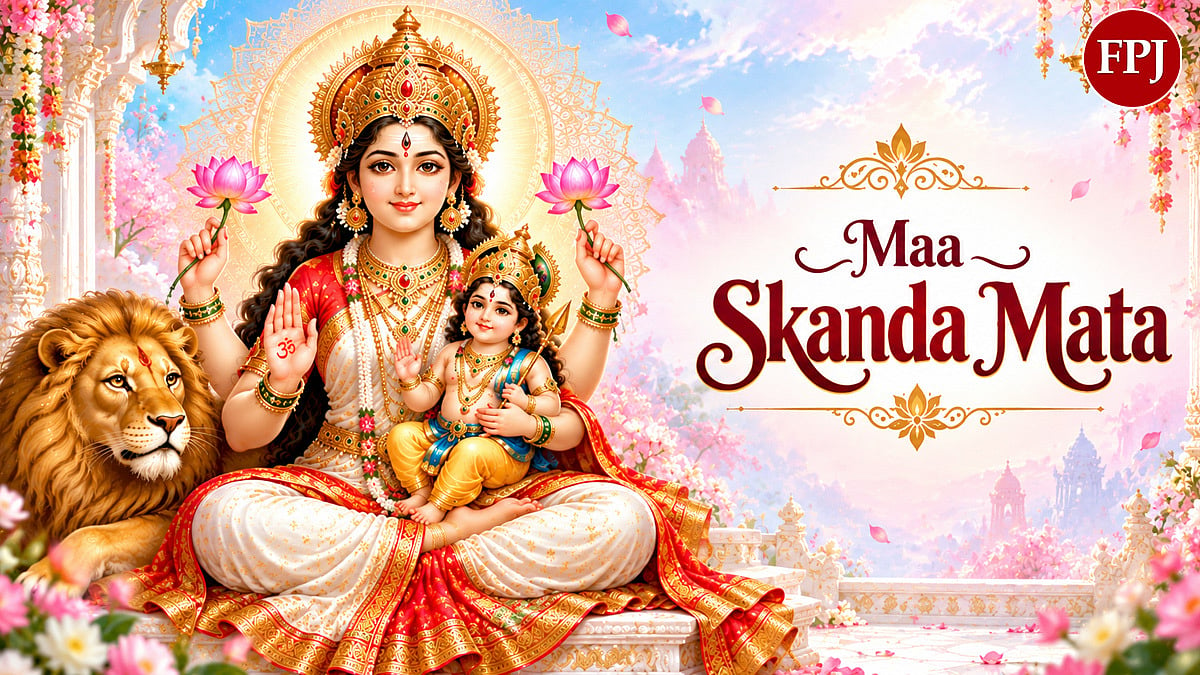
Durga's victory over Mahishasura is a symbolic victory of good forces over evil, light over darkness, and justice over tyranny. Durga is revered as a powerful feminine deity, symbolising "Shakti" or divine feminine energy. The festival is a tribute to the strength, wisdom, and protection offered by women and the mother figure in particular.

