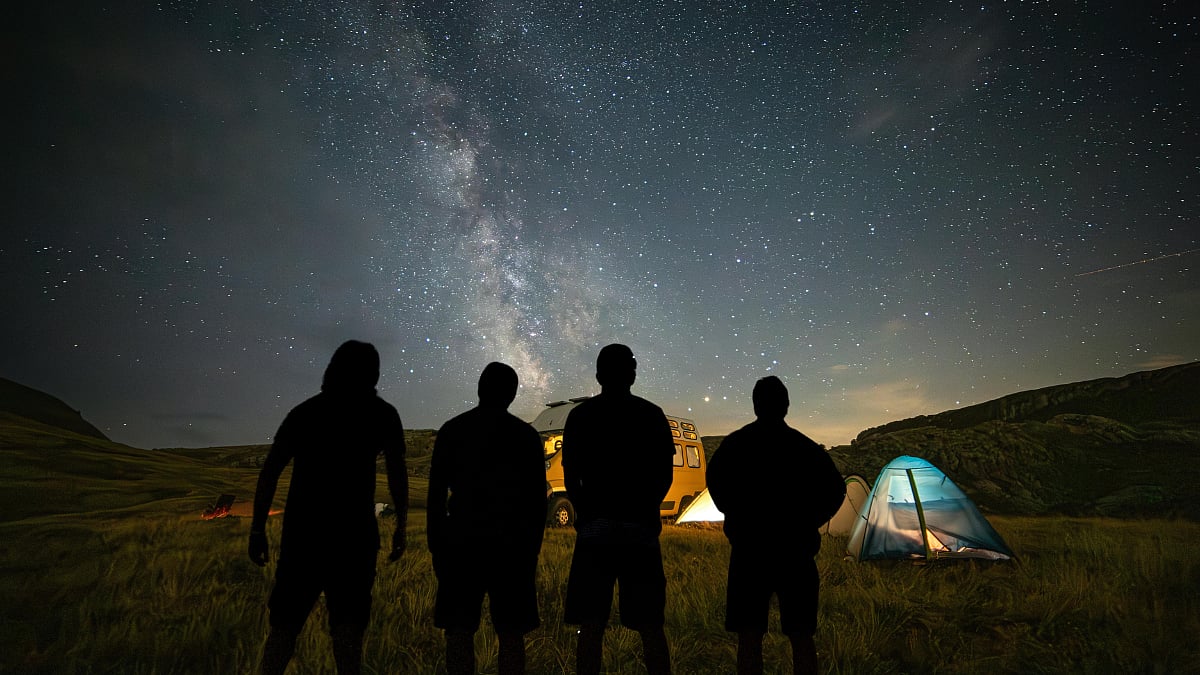
Skywatchers and travel enthusiasts in Maharashtra have a new reason to look up, quite literally. In a first-of-its-kind initiative, the state has stepped into astro-tourism with a dedicated stargazing festival set across two of its most unique locations, Lonar Crater Lake and Harihareshwar.
Organised by the Maharashtra Tourism Development Corporation (MTDC), the festival is being held from April 24 to 26, marking its golden jubilee year. The initiative also ties in with International Dark Sky Week, which promotes reducing light pollution and reconnecting with the natural night sky.
With this move, Maharashtra aims to revive interest in astronomy and nature-based tourism. The state government has already identified 11 locations to promote stargazing and celestial observation under its Dark Sky policy. These sites will focus on astronomy education, eco-tourism, and reducing artificial light interference, especially important in remote and naturally dark regions.
The Khagol Darshan Mahotsav 2026, as the festival is called, brings together science, travel, and sustainability. From guided stargazing sessions to learning about constellations, the event is designed to make astronomy accessible and engaging for visitors of all ages.
Why Lonar & Harihareshwar?
Lonar Crater Lake, formed by a meteorite impact, offers a rare geological and astronomical backdrop, making it an ideal destination for such an event. Meanwhile, the coastal serenity of Harihareshwar, with minimal light pollution, provides clear night skies perfect for celestial viewing.
More Stargazing Spots In The State
Beyond these two locations, Maharashtra is planning to develop several other sites for astro-tourism. These include:
Pench Tiger Reserve
Tadoba-Andhari Tiger Reserve
Bhandardara
Toradmal
Udmal
The initiative is part of the broader Vikasit Maharashtra 2047 vision, aimed at transforming the state into a major tourism and economic hub. By investing in infrastructure and promoting sustainable tourism practices, Maharashtra is positioning itself as a unique destination where nature, science, and travel converge.

