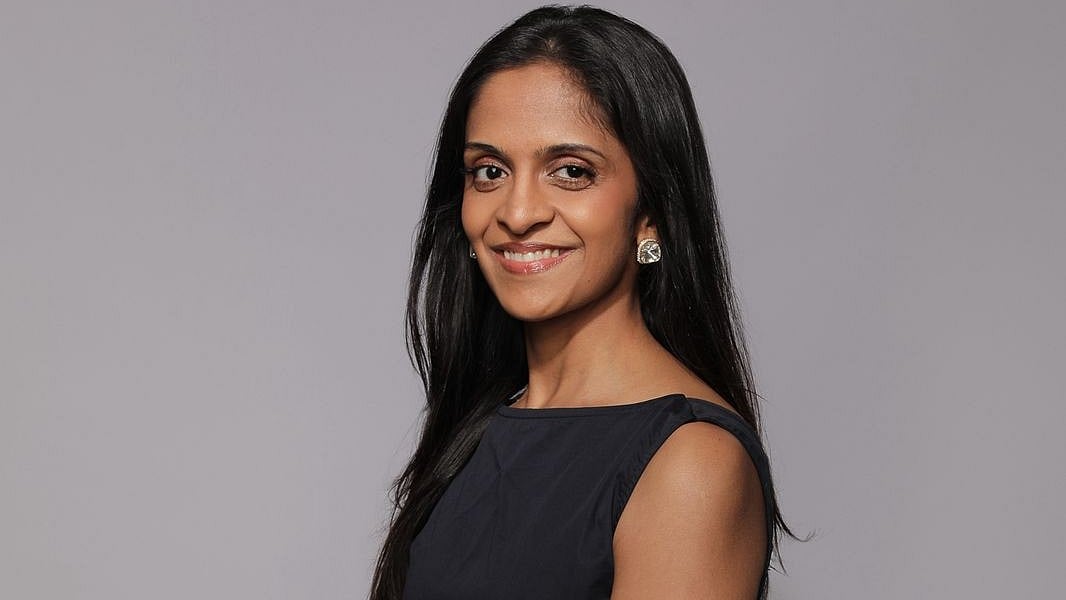
Books may have changed in format, readers may be discovering them through Instagram and BookTok, and artificial intelligence may be reshaping the way content is created, but the charm of a good story remains timeless. As the Crossword Book Awards celebrate their 20th edition, they mark two decades of recognising literary excellence and bringing Indian authors and their stories into the spotlight. In a changing publishing landscape, bookstores are also evolving from places to buy books into spaces for discovery, conversations and community building. In this conversation, Nidhi Gupta, Director, Crossword Bookstores, reflects on the journey of the awards, emerging trends in Indian writing, the changing habits of readers and the future of books in an increasingly digital world.
The Crossword Book Awards have now reached their 20th edition. What does this milestone mean to you personally, and what does it represent for Crossword?
Twenty editions is a milestone we're incredibly proud of. What makes it particularly meaningful is the responsibility that comes with recognising and celebrating good writing. Over the years, the Awards have recognised some extraordinary literary voices and being part of that journey is a privilege.
For Crossword, the Awards have always been about something larger than selling books. They're about encouraging a culture of reading, recognising literary excellence and giving deserving authors and their work the attention they merit. Reaching our 20th edition only strengthens that commitment.
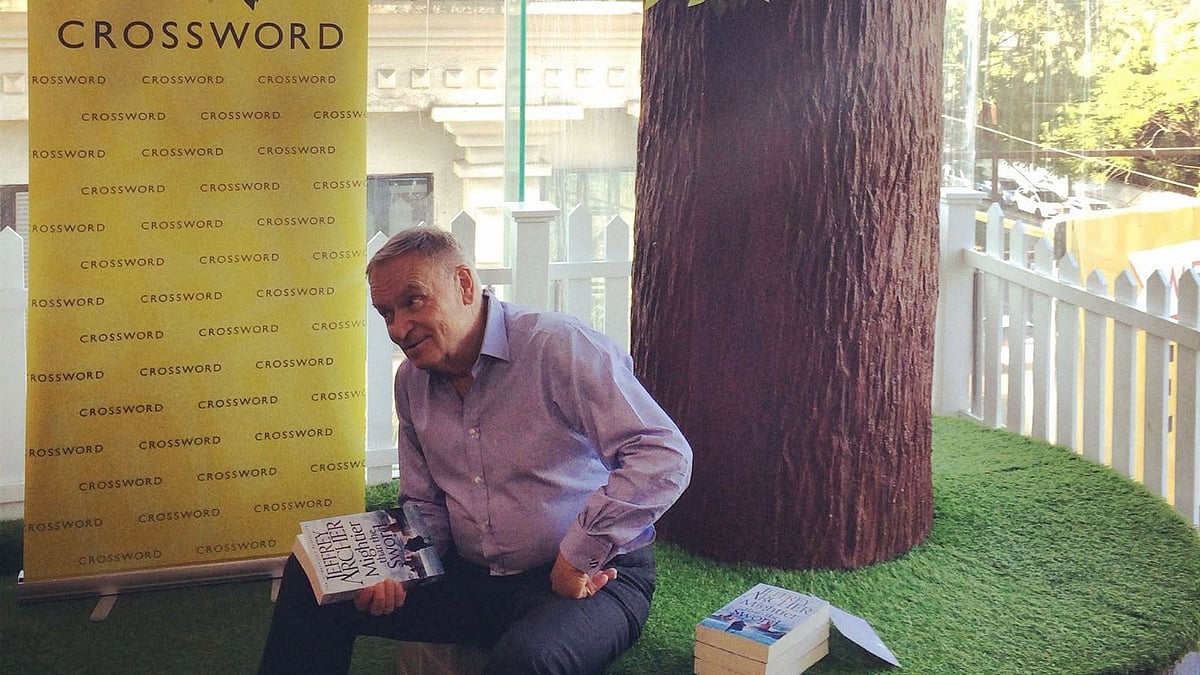
Over the past two decades, Indian publishing and reading habits have changed considerably. How have the Awards evolved alongside these changes?
Indian publishing today is far more diverse, both in the stories being told and the voices telling them. We're seeing greater experimentation with formats and genres, more Indian-language literature reaching wider audiences through translation and a growing interest in books that examine our history, society and contemporary realities.
The Awards have evolved to reflect this landscape, recognising literary excellence across Fiction, Non-fiction, Translations, Children's Books and Business & Management.
What's particularly encouraging is the diversity within the categories themselves. This year's shortlist includes everything from graphic novels and investigative journalism to environmental writing, business biographies and children's non-fiction. It reflects the remarkable breadth of Indian writing today, both in the subjects being explored and the ways in which stories are being told.
Looking at this year's shortlist, what trends, themes or new voices particularly excite you about the future of Indian writing?
What excites me most is the range and confidence of Indian writing today. Authors are exploring subjects that are relevant, sometimes uncomfortable, and often deeply rooted in our histories and experiences.
In non-fiction, we're seeing a growing interest in investigative journalism, history, politics, identity and environmental issues. Fiction is becoming more experimental, both in the themes being explored and the ways in which stories are told.
Translations remain particularly exciting, bringing voices from different Indian languages to a wider readership and introducing readers to stories they might not otherwise discover.
Children's literature is also becoming increasingly diverse, moving beyond conventional storytelling to explore science, nature, history and important social themes.
What stands out is that Indian writing isn't moving in one direction. It's becoming more varied, more confident and increasingly reflective of the many voices and experiences that make up our country.
Crossword has built a reputation not just as a bookstore but as a space for author interactions, readings and literary events. What have these interactions taught you about what today's readers want?
Readers want connection. An author interaction is rarely just about getting a book signed. People want to understand what inspired a story, what shaped its characters and the person behind the writing. Some of our most memorable events have been those where conversations continued long after the formal session ended. These interactions reinforce something we strongly believe at Crossword: a bookstore should be more than a place to transact. It should be a space where people discover ideas, exchange perspectives, and feel part of a larger reading community.
How would you describe the Indian reader today? Has the way people discover books changed more than the way they actually read them?
The Indian reader today is curious, informed and increasingly open to exploring different genres. Readers are discovering books through Instagram, BookTok, podcasts, online communities and recommendations from people they follow.
I would say discovery has changed more dramatically than reading itself. The routes to finding a book have multiplied, but the reasons people read remain remarkably consistent. We still look for a compelling story, a fresh perspective, or something that resonates with our own lives.
What's interesting is how digital discovery often translates into physical purchases. Someone may discover a title online but still want to walk into a bookstore, browse and experience the book before buying it.
What is the biggest misconception people have about the business of running a bookstore today, and what is the most valuable lesson you have learnt from customers?
The biggest misconception is that running a bookstore is simply about buying and selling books. In reality, it's a business that requires a deep understanding of readers, changing preferences, and the ability to anticipate what people will want to read next.
It's a constant balance between commercial decisions and thoughtful curation. A bestseller may be an obvious choice, but recognising the potential of an emerging author or an unfamiliar genre is equally important.
The most valuable lesson customers have taught me is to never make assumptions about what people will read. Readers are constantly evolving, and the best thing we can do is remain curious, observant and willing to adapt alongside them.
If you could change one thing about India's reading culture, what would it be?
I would love to see reading become a more natural part of everyday life, particularly for children. Too often, reading becomes associated with academics, examinations or something children are expected to do rather than something they genuinely enjoy. I think the emphasis needs to shift towards reading for pleasure.
It doesn't matter whether a child starts with comics, graphic novels, fantasy or illustrated books. What matters is developing that relationship with reading early. If we can raise a generation that sees reading as something enjoyable rather than obligatory, we've achieved something significant.
Looking ahead, what worries you most about the future of books, and what excites you the most — particularly with AI changing how content is created and discovered?
What concerns me is not a shortage of content, but the possibility of losing originality and depth in a world where content can be produced almost instantly. AI will undoubtedly change how books are discovered, recommended, and even created. It has the potential to make literature more accessible and help readers find books suited to their interests.
I believe there will always be value in original thought, authentic storytelling and the distinctly human experiences that shape great writing. What excites me is that technology could introduce books to audiences who may never have discovered them otherwise. The challenge will be to use it to strengthen the reading ecosystem without compromising the quality and integrity of what we read.
On a personal note, has running a bookstore changed the way you read? And is there one book you would recommend to someone who says, “I don't read”?
Running a bookstore has given me a very different perspective on reading. It's made me more curious, adventurous, and appreciative of the extraordinary range of ideas and perspectives that books offer. One of the greatest privileges of being in this business is being constantly exposed to new writing, emerging voices, and conversations that challenge the way one thinks. Over the years, I've come to value not just what a book has to say, but how it can broaden one's understanding of the world.
For someone who says they don't read, I'd recommend Tuesdays with Morrie by Mitch Albom. It's a simple, deeply moving story about life, relationships and the things that truly matter. It's an accessible read, but one that stays with the reader long after the last page.
Do you have a favourite bookstore anywhere in the world, and what does it do exceptionally well?
One of my favourite bookstores is Daunt Books in London. What makes it special is the way it brings together striking architecture, thoughtful curation and a genuine sense of discovery. There's a distinct personality to the space, and the way books are organised encourages readers to explore beyond what they originally came looking for.
I believe the best bookstores have the ability to surprise and inspire. They understand that while books bring people through the door, it's the experience of browsing, discovering and spending time among them that makes a bookstore truly memorable.

