
It’s common knowledge that a glassful of milk is highly nourishing for health. But milk drinkers keep arguing over the nutrition-quotient of each mammal of the cattle family that gives the silvery white liquid. In line with this, the current heated debate continues over whether cow milk is more nutritious than the buffalo milk.
Cow Milk Versus Buffalo Milk
Ritesh Bawri, chief wellness officer at nirā balance, rationalises: “Buffalo milk wins on the weighing scale of more protein, fat, calcium and antioxidants. But cow milk is anyday more digestible and bioavailable. While buffalo milk is denser, cow’s dairy donation is congenial to sensitive stomachs and definitely a smarter choice. In that case, neither is superior in terms of quality. Both serve different needs."
For weight gain and sticking to a flavourful profile, buffalo milk has brighter prospects as the creamy delight provides more fat, more calories and slightly more protein. Hence, it is heavier and more filling. Cow milk has less fat and is lighter on the gut. So, it is easier to digest for many. “The choice between the two really depends on an individual’s body, activity level and goals set in life,” reasons functional nutritionist and high-performance coach Prateek Kumar, who’s also the founder of Fitcru, a personalised health and fitness platform built for planned, ambitious, modern lifestyles.
Nutrition Load
Milk is an essential health food in many Indian households. “Cow milk specifically contains an array of nutrients like high-quality protein, calcium, vitamin B12, riboflavin, phosphorus, potassium and sometimes vitamin D, depending on the type of milk that comes in the packet purchased. It also consists of lactose, a natural milk sugar,” informs Amreen Sheikh, chief dietitian at KIMS Hospitals, Thane.
Cow milk boasts of complete protein (8g/cup), magnesium, iodine, selenium, zinc, conjugated linoleic acid, among other nutrients. “One glass of ubiquitous milk promises solid bones, nerves, immunity, metabolism and smooth thyroid function,” sums up Bawri.
Cow’s protein-rich gift to humanity has lactose as well as vitamin D, when fortified. Mainly, it is a good source of valuable health addition. It’s a nutrient-dense whole food that is a dietary staple on your daily breakfast table.
Wealth of Health
Cow milk offers multiple health benefits. It nurtures bones and teeth with its abundance of calcium, phosphorus and vitamin D. Plus, cow milk helps build muscles as it has plenty of protein.
“Suitable for stronger bones, lower blood pressure (via whey peptides), better immunity (lactoferrin: protein present in milk), muscle recovery (leucine/whey) and improved gut health (butyrate), cow milk is a vital liquid refreshment consumed for both hydration and nutrition. In other words, it supports at least five biological systems simultaneously,” emphasises Bawri.
If someone can digest the beverage properly, it can support bone health because of calcium, help muscle repair courtesy of protein, and lift nerves and energy, thanks to vitamin B12.
“But if anybody complains of digestion issues, then milk intake could cause gas or bloating. So, it only helps if the body tolerates it,” insists Kumar.
Brain Booster?
A potent question frequently crops up on everyone’s mind out of curiosity, which is whether cow milk is better for boosting IQ than buffalo milk.
“There is no strong scientific proof that manifests whether cow milk elevates IQ level more and faster than buffalo milk. Brain development depends more on overall diet constituting protein, iron, iodine, B12, omega 3 besides getting adequate sleep and experiencing a proper, energy-driven, culturally-vibrant learning environment. Milk alone does not drive IQ or brain power. Better nutrition on the whole does,” Kumar argues his point.
Bawri admits that “particularly for cognitive development, cow milk might come in handy”. “It has copious iodine, which is critical for thyroid-driven brain development. In clinical trials, its bioactive milk fat globule membrane is shown to raise children's IQ scores by five points,” he chips in.
When quizzed if cow milk is more beneficial for increasing IQ compared to buffalo milk, Sheikh rests all speculations to that. “None of the milk types can augment IQ. It is actually developed through a balanced diet, sufficient sound sleep, intellectual skills and a flurry of activity. Cow milk reinforces our cerebral capacity with its ample protein and vitamin B content,” she reacts.
Buffalo Milk Card
Given buffalo milk’s bulk nutrient composition, it is reckoned as more nutrient-dense than any other bovine product, actually. “It has massive calcium, protein, antioxidant and mineral components, a notch higher than cow milk. Good news is that despite possessing greater fat, it ensures lower cholesterol. On the flip side, it is harder to digest, making it less consumable by sensitive individuals with squeamish bellies,” reveals Bawri.
Buffalo milk is way thicker or more concentrated to gulp down. Nonetheless, it is never less nourishing than its rivals in the livestock flock as many would believe. “In fact, it releases more energy per glass. However, for people who are sluggish or have an inert lifestyle and are trying to shed a few kilos, the extra fat in buffalo milk could worsen their condition,” reminds Kumar.
Lactose Lacuna
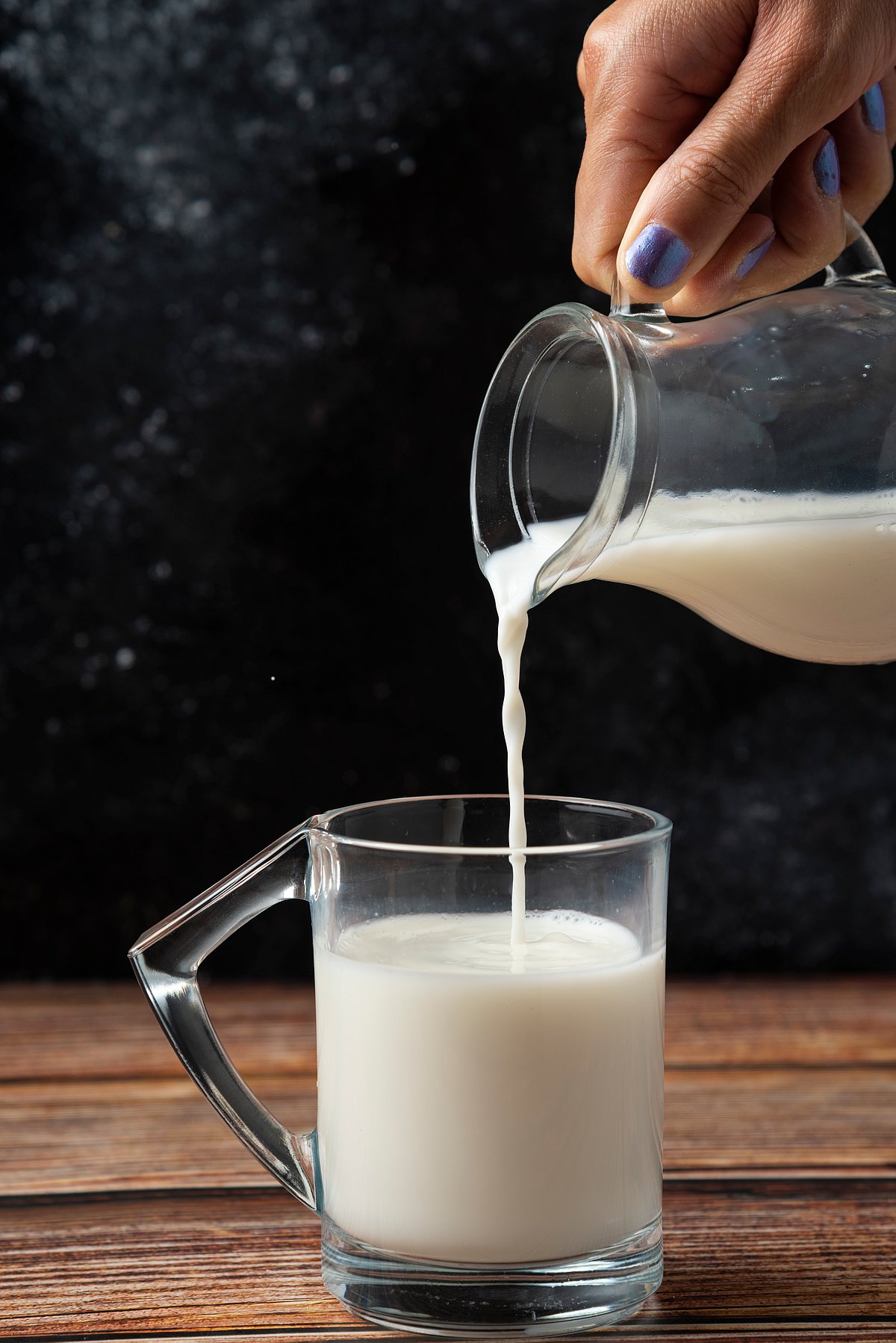
Many kids and adults grouse about dairy allergies. What options do they have in terms of milk consumption?
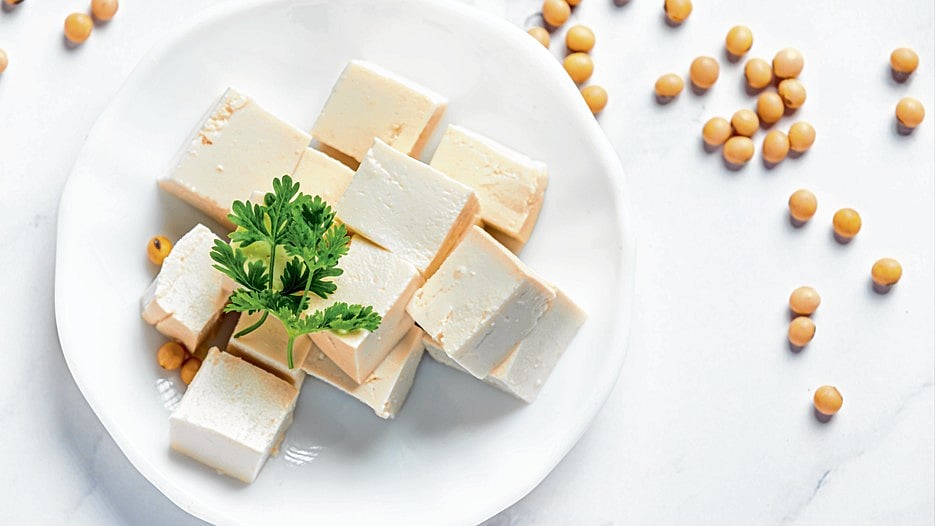
“It’s true that numerous Indians have lactose intolerance as in they cannot digest lactose properly. Instead, they can ingest lactose-free milk, curd, buttermilk or paneer in small quantities. People with milk allergy are prescribed to avoid dairy intake fully. They may avail of plant-based options like soy milk, almond milk, oat milk or coconut milk,” shares Kumar.
Nutritionists suggest that soy and pea milk are the closest nutritional matches (with 7-8 gm protein and complete amino acids). “Oat milk supports heart health. Almond milk is low-calorie but protein-poor. Rice milk is safest for multiple allergies but nutritionally weakest,” reports Bawri. “Fortified soy milk is closest to dairy milk in terms of protein content,” endorses Sheikh.
Mental Block
Many children suffer from brain fog or brain rot due to cognitive impairment, excessive screen time or virtual burnout. Can regular intake of cow milk tide over this problem?
“Partially or to some extent, yes. This is because cow milk supplies iodine, zinc, B12 and iron — all critical for intensifying focus and neural signalling. Studies show that micronutrient-fortified milk improves working memory in children. Fact of the matter is, milk supports brain architecture. It can never replace deep uninterrupted sleep, movement, mindfulness or reduced screen time,” observes Bawri.
Experts opine that “brain fog or mental barrier in children is usually because of too much screen time, poor sleep, low outdoor activity, junk food or nutrient deficiencies.” “Milk alone cannot fix this gap. The issue could be redressed a little with a spike in protein or B12 intake. But the real solution lies in better-quality sleep, relaxation of the mind, outdoor play or activity, balanced food and less screen exposure. A restorative lifestyle spurs mental alertness,” claims Kumar.
“The brain fog resulting from surplus screen time can be reduced through appropriate sleep habits and wholesome meals. Though milk is a nutritious food item, other factors are more important,” ratifies Sheikh.
Less Agility With Age
Old adults face dementia or Alzheimer issues and abstain from drinking milk citing gastric problems after reaching a certain age. Can cow milk or any plant-based milk address such issues or help nourish a senior’s brain?
“Older adults sometimes avoid milk because of gas or digestive problems. They can try lactose-free milk, curd or buttermilk in limited amounts. For brain health of the elderly, nutrients like B12, protein, vitamin D and omega 3 are important. Milk can help if it improves these nutrients but it does not cure dementia or Alzheimer’s. Overall lifestyle, mobility, a good night’s nap and blood sugar control impact much more during the sunset years,” corroborates Kumar.
Moderately, cow milk could be useful. According to a meta-analysis of 300,000 plus people, dairy intake (roughly one serving daily) in recommended measures is found to have trimmed dementia risk by 12%. Fermented dairy, such as cheese, reaps the strongest gains. Lactose-free milk works for those with digestive issues. Soy milk also lowered 31% dementia risk as per statistical data entry in a single wide-scale UK study.
“If an elderly person cannot digest normal milk, they can try lactose-free milk or curd. They can also resort to fortified plant-based milk. Well-balanced meals, assisted or free motion and mental alacrity are key levers for the greying population,” advises Sheikh.

