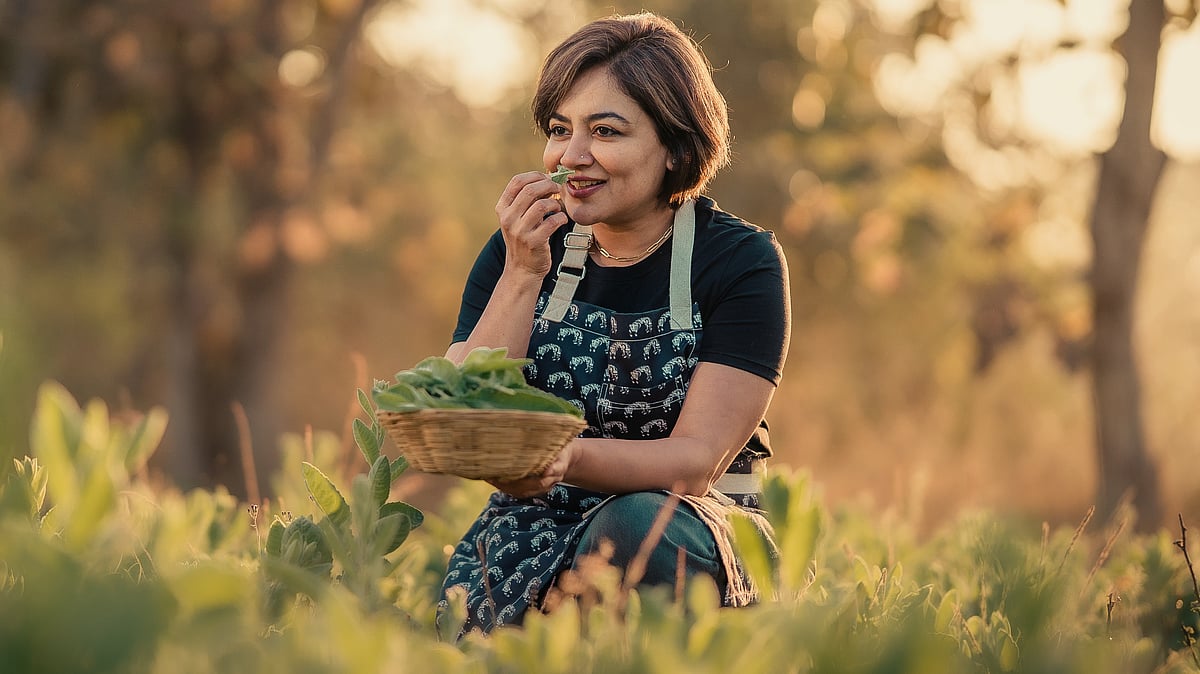
Chef Amninder Sandhu is a force to reckon with in the Indian F&B industry. The National Award winner who helmed Arth, the first gas-free restaurant in India in 2017, has been at the forefront of creating some of the most dynamic dining establishments in the country, whether it is Bawri in Goa and Mumbai, Palaash at Tipai in Nagpur and, Kikli and Barbet & Pals in Delhi. Chef Sandhu has also been instrumental in empowering local women from Nagpur by providing them with employment opportunities at Palaash.
She recently hosted the Delhi chapter of Let’s Talk Womxn (LTW), a global community that brings together women restaurateurs and entrepreneurs from across the food and beverage industry, along with Priya Paul (Apeejay Surrendra Park Hotels), Akriti Malhotra (Aku’s The Burger Co.), and Rohini Dey, PhD (Vermilion, LTW). We caught up with the chef to discuss the evolving landscape for women in the F&B industry.
Excerpts from the interview:
Can you tell us about how you got involved with LTW and what prompted you to become a part of this initiative?
I’ve always believed that hospitality is as much about people as it is about food, and LTW brings that belief to life by creating a space where women can connect, share, and grow together. My association with LTW felt organic because it aligns with everything I stand for, community, collaboration, and creating opportunities. Hosting the Delhi chapter was a way to contribute to a larger movement that supports women in our industry, not just professionally but emotionally as well. It is important to have spaces where conversations are honest and inclusive, and LTW does exactly that.
How does LTW benefit women in hospitality and how do you plan to contribute to it?
LTW creates a much-needed support system for women in hospitality by fostering mentorship, dialogue, and visibility. It allows women to share experiences, learn from each other, and feel less isolated in what can often be a demanding industry. For me, contributing to LTW means being accessible, sharing my journey, mentoring where I can, and creating opportunities for women to grow within my own spaces. It is about building a culture where women feel empowered to take risks, lead, and define success on their own terms.
What are some of the issues faced particularly by women in this field? How do you propose to address those issues?
Women in hospitality often navigate challenges such as lack of representation in leadership roles, work-life balance pressures, and sometimes even a lack of safe, inclusive work environments. There is also the constant need to prove oneself in spaces that have traditionally been male-dominated. Addressing this requires a cultural shift, more women in leadership, more inclusive workplaces, and stronger mentorship networks. It is equally important to create systems that support flexibility and respect individuality. Change does not happen overnight, but consistent effort in the right direction can make the industry more equitable.
You have been working with the local women in Nagpur and encouraging them to explore their culinary prowess at Palaash. How has your experience been?
Working with the women at Palaash has been one of the most fulfilling experiences for me. There is so much untapped knowledge and skill within local communities, especially when it comes to food. My role has been to create a platform where that knowledge is respected and celebrated. Seeing their confidence grow and their stories come through on the plate has been incredibly rewarding.
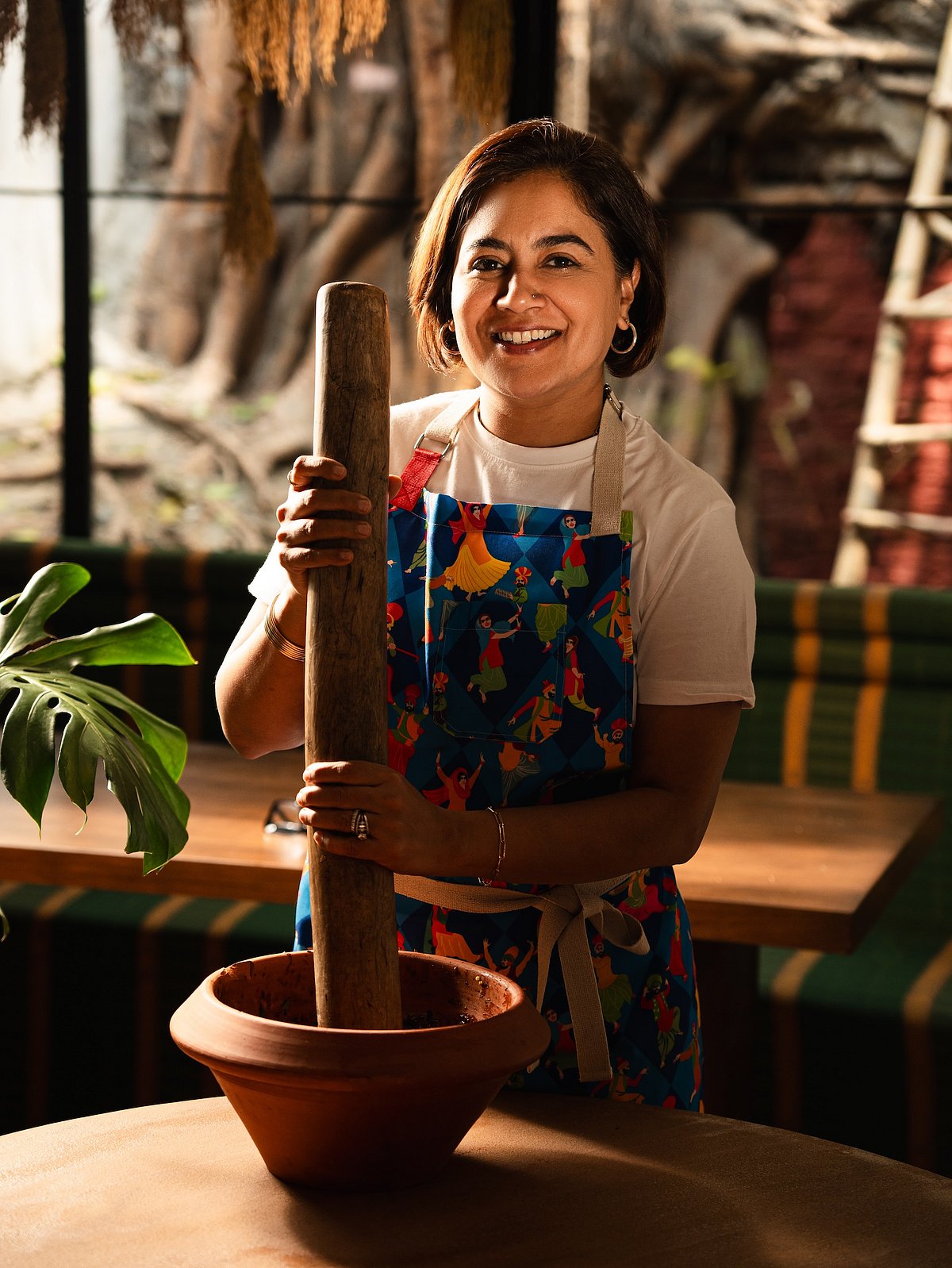
All of your restaurants and bars have people at the heart of it. How much importance do you place on people rather than systems?
People will always come before systems. Systems are important, they bring consistency and structure — but they should never overshadow the human element. Hospitality, at its core, is about warmth, intuition, and connection, and that comes from people. I believe in building teams that feel valued and heard because that directly translates into the experience we create for guests. When people feel invested, they bring a sense of ownership that no system can replicate.
Talk to us about your food philosophy, especially when it comes to ingredients and techniques.
My philosophy has always been to let ingredients take centerstage. I believe in working closely with what is local, seasonal, and available, and then build dishes around that, rather than force an idea. Techniques are important, but only as tools to enhance the ingredient, not overpower it. I try to keep the food honest and rooted, while still pushing boundaries in subtle ways. For me, it’s about respecting the journey of the ingredient, from where it comes from, to how it finally reaches the plate.
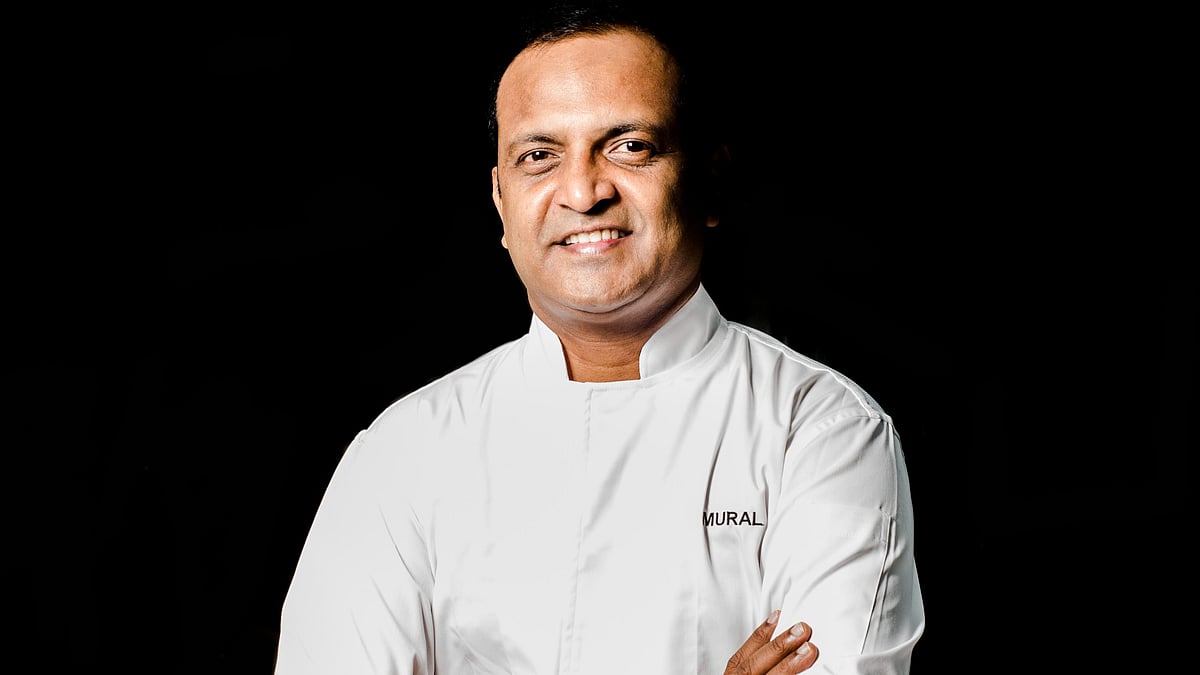
You have recently opened a new bar in Mumbai. What can you tell us about it?
Now that Punchline has officially opened, it’s been incredibly fulfilling to see the space come alive with the energy we had imagined from day one. There’s a certain ease to the place, it feels warm, social, and almost like a house party that’s been thoughtfully put together. That atmosphere really shaped how I approached the menu. I wanted the food to move with that rhythm, bold, expressive flavours, but designed to be shared, picked at, and enjoyed over long conversations. Everything is built to sit effortlessly alongside the cocktails, without ever feeling heavy or formal. At its core, Punchline is about people coming together, and it’s exciting to see that translate so naturally every evening.

