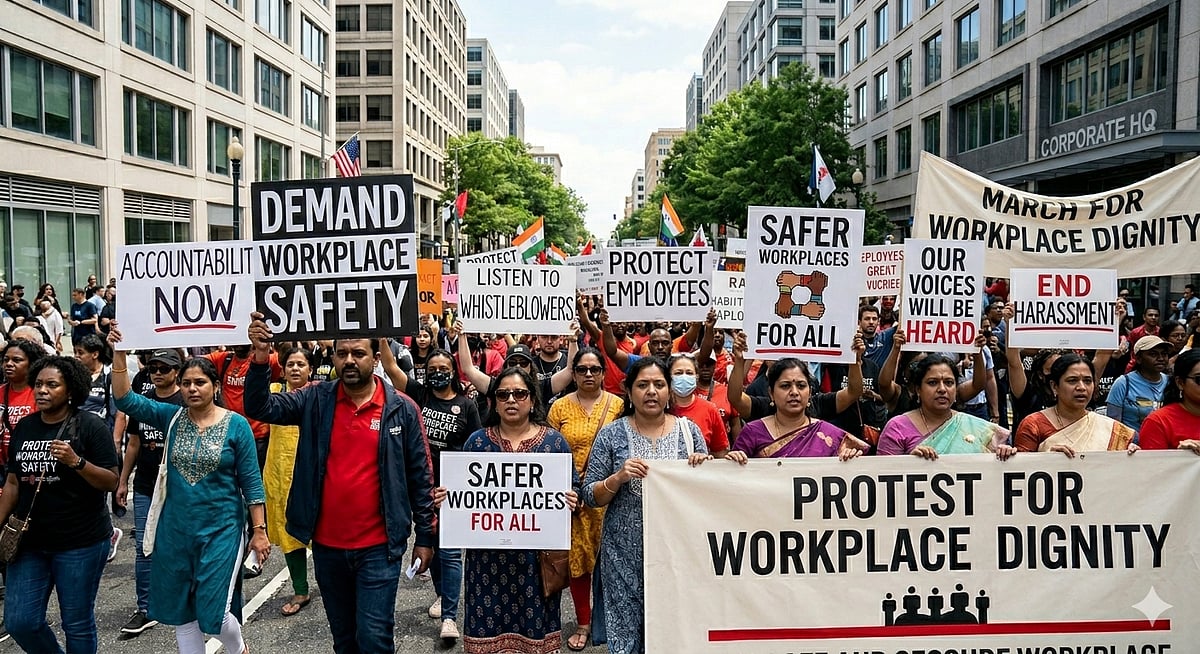
The recent controversy involving Tata Consultancy Services in Nashik has reignited debate on workplace safety of employees and corporate accountability for the same. The incident highlights gaps in whistleblower mechanisms, the need for direct emergency communication channels, and raises concerns over whether the deterrent effect of the POSH Act 2013 is waning in Corporate India. Satya Tirtharaj Ghosal moderates a debate.
Archana Khosla Burman, CEO and Co-founder of ZONE

The real barrier to reporting workplace harassment isn’t the absence of formal channel, most organizations have them. The problem is trust. Employees file complaints when they see concrete action taken against wrongdoing, not just promises. When people witness accountability and fair outcomes, confidence grows.
Even with anonymity guarantees, hesitation persists. Employees worry about indirect identification through details they provide or subtle retaliation like missed opportunities or workplace isolation. Organizations must demonstrate that anonymity is valued both technically and culturally.
Whistleblower units serve a purpose, but only if they connect meaningfully with leadership. When isolated from decision-making, they become passive complaint repositories rather than catalysts for change. True empowerment requires transparent communication, clear feedback loops, and visible closure on reported concerns.
Hierarchy itself shouldn’t block reporting. Complete elimination of structure creates chaos and confusion. Instead, organizations should offer flexibility, allowing employees to report at any organizational level based on their comfort and judgment. This balance maintains clarity while providing security.
Direct access to leadership democratizes voice when structured properly. Without a clear triage system, leadership becomes overwhelmed, and critical issues get lost in noise. A prioritization framework lets employees reach senior management while maintaining organizational efficiency.
When someone faces harassment or danger, access to top leadership should be a right. This balance between accessibility and escalation creates responsiveness without chaos.
Internal committees face an inherent tension: delivering justice while protecting organizational reputation. Their credibility depends on independence and transparency. Including external members, using unbiased processes, and communicating clearly build trust. Prioritizing fairness and integrity actually protects reputation better than managed messaging.
Zero-tolerance policies are tested when senior leaders face allegations. Exceptions send a dangerous message: rules apply selectively based on rank. When all employees face the same standards of accountability, cultures of fairness develop.
Many companies treat the POSH Act as a compliance checkbox which is only limited to mandatory training, documentation, procedures, rather than a cultural shift. The law’s real impact depends on how deeply organizations implement it. Continuous cultural commitment, not box-ticking, creates genuine workplace safety.
Finally, when employees speak up, systems must listen with genuine engagement rather than manage risk through procedure. Organizations that prioritize empathy, fairness, and psychological safety, even accepting short-term reputation damage, build long-term credibility. Employees who feel truly heard develop confidence in the system’s trustworthiness.
The question isn’t whether mechanisms exist. It’s whether they function as vessels for real change.
Himanshu Bhardwaj, Cyber Security Manager, at Newfold Digitals

In my experience working in a corporate setup, I know that the problem with workplace harassment isn’t really whether there are ways to report it they almost always are. The real problem is trust.
Employees often know where to report, but they don’t do it because they’re not sure how their concerns will be handled or if it will just be a way for the company to improve its image. People always worry, "Will this somehow trace back to me?" even when they promise to keep their identity a secret.
I’ve seen coworkers hold back because they weren’t sure the system would protect them beyond the policy document, not because they didn’t want to speak up. Dedicated whistleblower units are useful in theory, but they can sometimes feel like a separate channel that doesn’t fully connect with the decisions made every day.
When things go wrong, hierarchy becomes another problem. It shouldn’t stop escalation, but skipping it altogether can cause problems and misunderstandings in teams. We need to find a balance between access and chaos.
Having direct access to senior leadership sounds empowering, but if it’s not filtered properly, it could overwhelm leadership and drown out important issues in a sea of noise. Being able to talk to top leaders, especially when things are tense, should feel like a right” but it should be a structured one.
Employees need to know that if something bad happens, they won’t have to wait for a lot of people to approve it. Internal committees are very important, but employees often wonder if they are truly neutral or if they are being swayed by the company’s interests.
When senior people are involved, the idea of "zero tolerance" is put to the test. This is when culture really shows itself, beyond just rules.
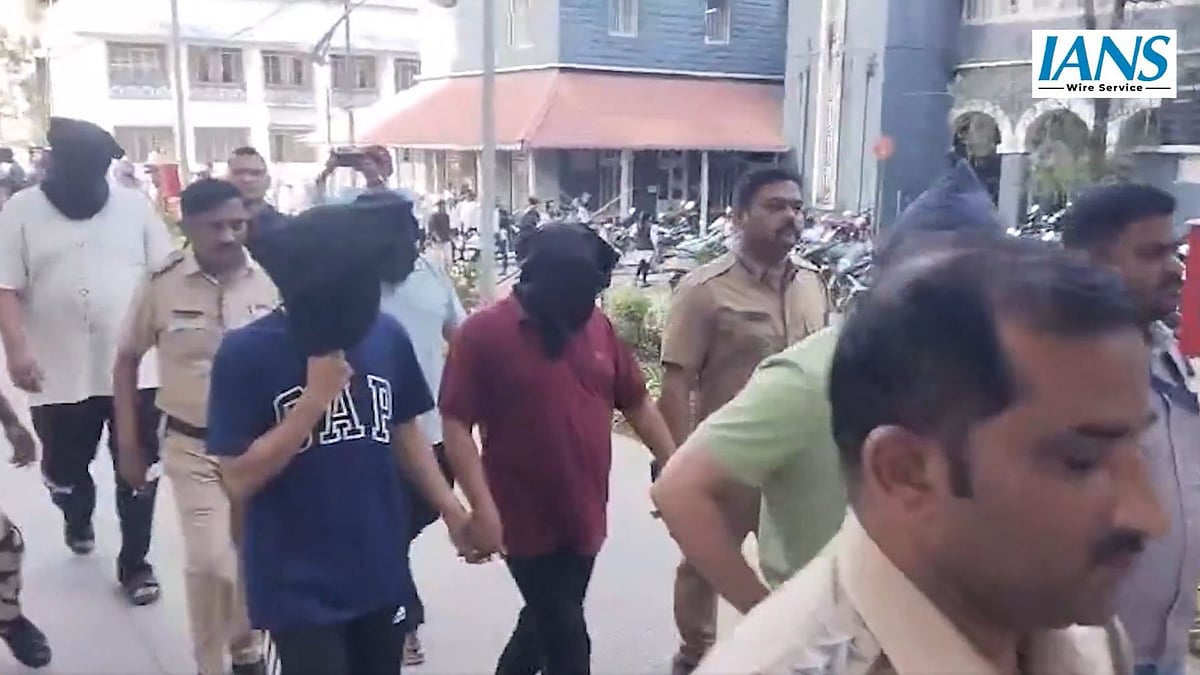
Laws like POSH have raised awareness, but in a lot of places, they could become more about following rules than about changing culture. In the end, the real question is whether the system is listening to someone who speaks up with the intention of fixing things or quietly managing the situation behind closed doors.
From the employee’s point of view, the best thing to do is to make sure everything is clear, use official reporting channels, and move up the chain of command if the first responses aren’t good enough. It’s also important to get help from trusted coworkers, HR partners, or outside advisors instead of trying to deal with it on your own.
Most importantly, workers should remember that bringing up a problem is not a problem, it is a step toward making the workplace safer for everyone.

