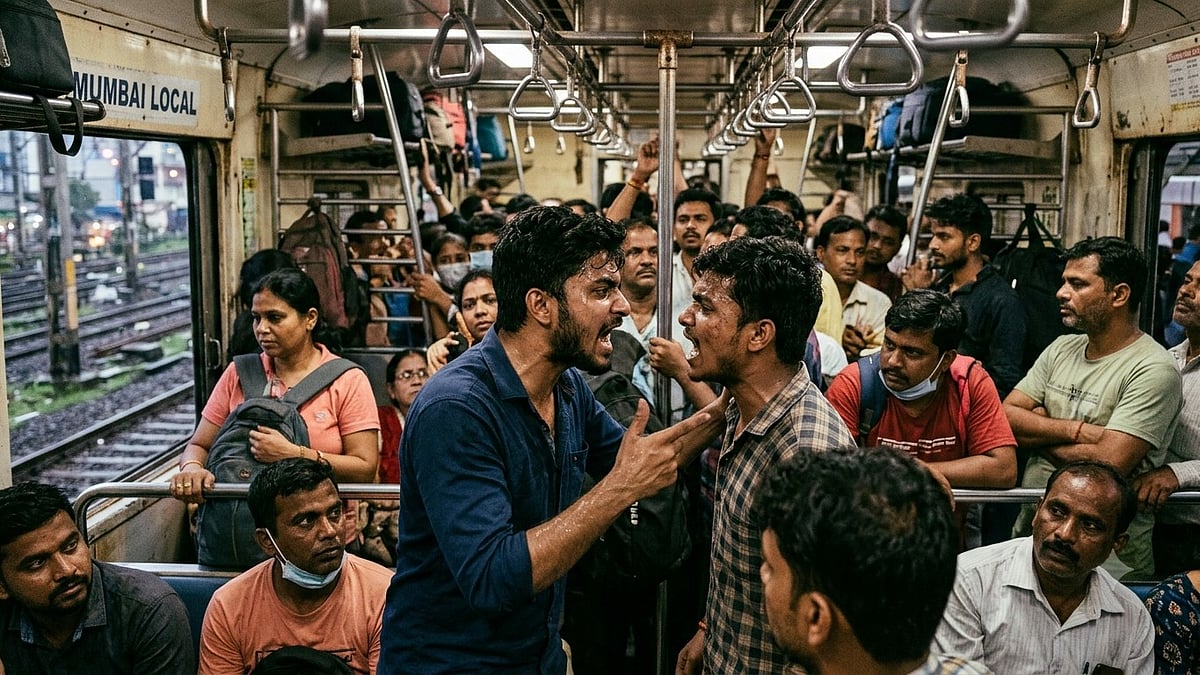
The fatal stabbing of a 22-year-old commuter on a Mumbai local train following a minor dispute has reiterated concerns about public safety, rising aggression and the pressures of urban life. Satya Tirtharaj Ghosal talks to people across generations and professions to know why the Maximum City has become city of anger and unexpressed emotions.
Soubhit Mondal, 21, Postgraduate Advertising Student

As a Gen Z commuter, I feel people today are carrying immense stress from work, studies, financial pressures and long daily commutes. In crowded spaces like Mumbai locals, patience often runs thin, and even a minor disagreement can feel much bigger in the moment. Social media has also normalised instant and aggressive reactions, making people less likely to pause and de-escalate a situation.
I think crowded cities contribute significantly to frustration. Mumbai's fast-paced lifestyle means people spend hours travelling in packed trains under stressful conditions. When you are exhausted and constantly rushing, your tolerance for inconvenience naturally decreases. While crowding is not an excuse for violence, it certainly adds to everyday pressure.
Many people hesitate to intervene in public disputes because they fear becoming targets themselves. With incidents escalating unpredictably, commuters often worry about their own safety. At the same time, the growing "mind your own business" attitude has weakened the sense of collective responsibility in public spaces. People are increasingly focused on their own lives, making communities feel less connected during emergencies.
I would not say all young people struggle with emotional control, but many have fewer opportunities to learn conflict resolution face-to-face. Much of our communication now happens online, where interactions can be more impulsive and less personal. The challenge is turning mental health awareness into practical emotional-management skills.
This incident highlights how easily empathy can be lost in moments of anger and frustration. While the public response shows people still care deeply about such tragedies, it also reminds us that empathy must be reflected in our daily behaviour, not just in our reactions afterward.
Rohit Chavda, 23, 3D Animation Student

I believe minor disagreements escalate quickly today because many people carry stress, frustration and anger that they do not express in healthy ways. Social media has increased people's desire for attention, respect and validation, making them more sensitive to criticism or opposing opinions. As a result, even small disagreements can feel like personal attacks, causing people to react emotionally and defensively.
Crowded cities also contribute to frustration. People move to major cities for better job opportunities, leading to overcrowding and increased competition for housing, transport and public services. Constant exposure to crowds, traffic and daily pressures can make people more irritable and impatient in everyday situations.
Many people avoid intervening in public disputes because they fear for their safety and the consequences. Some worry about becoming involved in lengthy legal or police procedures, while others simply do not want additional problems in their already busy lives. For many, staying away seems like the safer option.
I do not think the "mind your own business" culture has completely weakened community responsibility. Indian communities still often help one another, but there needs to be a balance between supporting others and respecting individual privacy. Excessive interference can sometimes create its own problems.
I also do not believe emotional control is only a challenge for young people. People of all ages struggle with managing emotions, especially in a world shaped by social media, comparison and the need for validation.
This incident does not necessarily reflect a lack of empathy. Rather, it highlights how fear, pressure and uncertainty often prevent people from acting on the empathy they may genuinely feel. The challenge is creating an environment where people feel safe enough to help others when needed.
Odell Dias, 36, Digital Marketing Manager at St Pauls Institute – SPICE

In my view, incidents like this are the result of pent-up frustration. People are dealing with stress from work, personal challenges, financial pressures and the demands of living in a fast-paced city. When these frustrations build up over time, even a minor disagreement can become the trigger for a serious conflict.
Crowded cities like Mumbai only add to this pressure. The city is heavily populated, commuting is exhausting and the heat makes daily life even more difficult. For many people, travelling by local train has become a stressful experience rather than a routine part of the day.
I believe most people avoid intervening in public disputes because they do not want to risk their own safety. No one wants to become the next victim. Recent incidents have made commuters more fearful, and many feel that security on the railway network is inadequate.
I do not think the public should be blamed for this situation. The government and authorities have failed commuters by not ensuring adequate safety measures. There are too few railway security personnel on the ground, and people can often move through stations and trains without proper security checks. When passengers do not feel protected, it is unrealistic to expect them to step in during dangerous situations.
Young people may be facing the worst of today's pressures, including job scarcity, low salaries, rising living costs and intense workplace demands. These challenges can increase frustration and emotional strain.
This incident also reflects a decline in empathy and trust. With violent cases appearing more frequently in the news, many people feel less safe and more cautious in public spaces than they did a few years ago.
Abhijeet Raja Patil, 60, Chairman of The Board at Raja Rani Travels and Globe Hoppers
One of the biggest reasons behind rising public apathy is the declining fear of the law and, more importantly, the declining confidence in its implementation. Laws may exist on paper, but when people repeatedly see offenders escaping accountability, legal cases dragging on for years, or influential individuals avoiding consequences, it creates a perception that rules are not applied equally. Over time, this weakens respect for the law and encourages a culture where people believe they can act without facing serious repercussions.
At the heart of this problem, I believe, is corruption at the highest levels. When citizens witness corruption among those entrusted with power, it sends a damaging message that unethical behaviour is acceptable if one has enough influence. This attitude gradually trickles down through institutions and society. People begin overlooking small acts of dishonesty because they see larger violations going unpunished. What starts as frustration with the system eventually becomes acceptance of it.
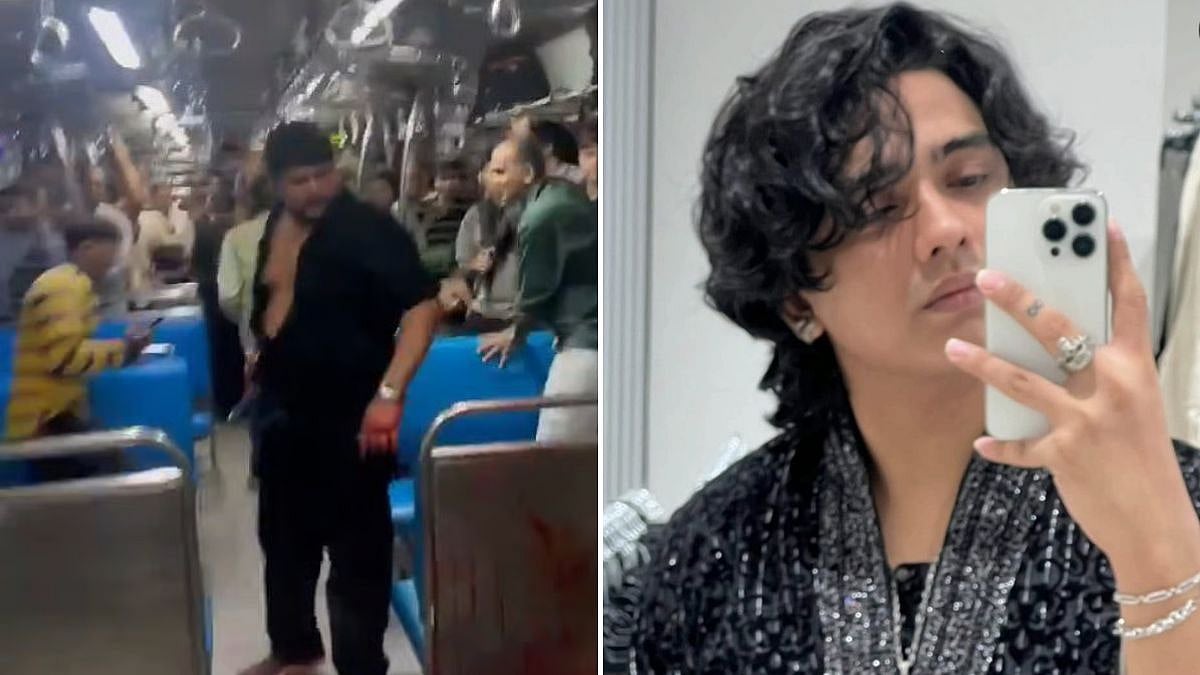
As this mindset spreads, people become less willing to speak up, intervene or challenge wrongdoing. They assume that reporting issues will not lead to meaningful action. This creates a cycle, where apathy feeds corruption and corruption feeds apathy.
Incidents of violence and public indifference cannot be viewed in isolation. They reflect a deeper erosion of trust in institutions. Unless accountability is strengthened and laws are enforced consistently, rebuilding public confidence and civic responsibility will remain a difficult task.

