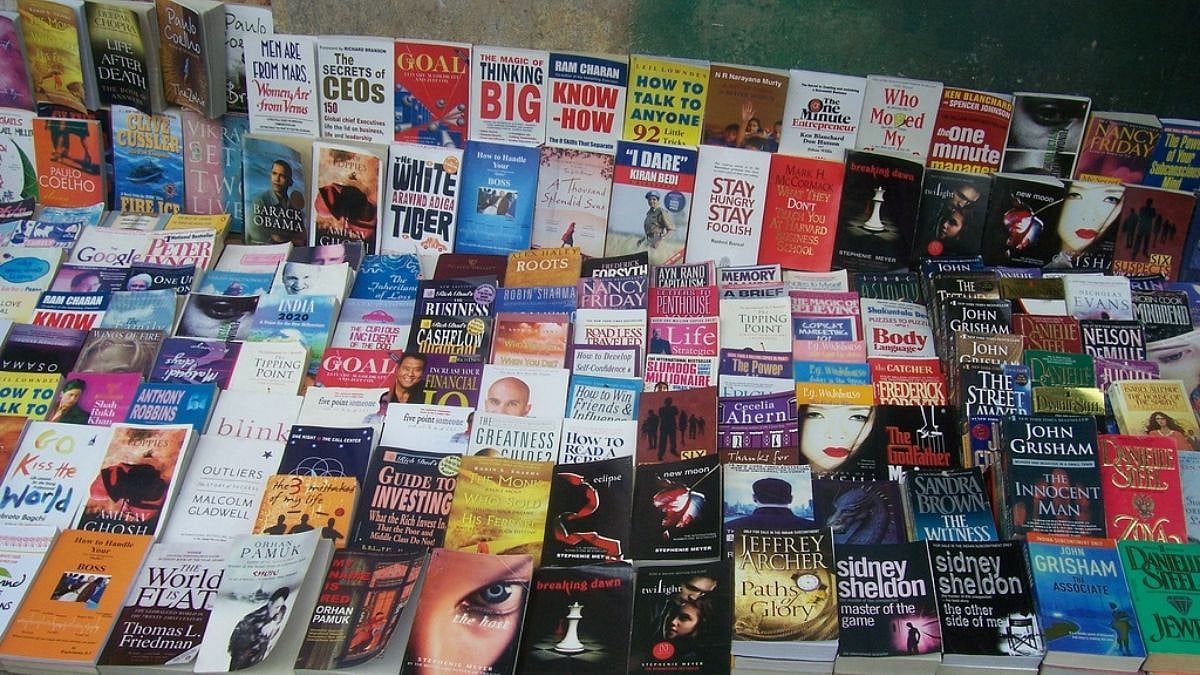
On March 26, 2026, most mainstream media carried a story of 20,000+ pirated books being seized in New Delhi. The gist of the reports highlighted a few things that need attention. The number of books is around 20,000. The press seized accessories such as ‘plates and negatives’. The authors listed by Penguin Random House suggest names who last published as late as 26 years ago. The other names thrown around were authors whose last book was at least 4 years ago.
Questioning the piracy narrative
The issue is about piracy, but the inference remains unclear. Since the dawn of the digital era, publishers have shortened the internal shelf-life of a book. There was a time when the ‘long tail’ (older titles) contributed significantly to sales. But that changed to a lifespan of two years or less. For accounting purposes, all printed stocks are written off within eighteen months. Then why worry about titles that are many years old?
The other aspect that doesn’t make sense is the use of off-set printing presses. Today, if the scale of publishing is truly as large as one is made to believe, then digital printing is more cost-effective. As a publisher, I cannot make sense of the use of offset machines.
Economics of pirated books
The most common angle one is tempted to explore is price arbitrage between Indian editions and foreign ones. I have heard the argument that publisher originals are priced higher than pirated copies. This then leads to the question – how profitable is the pirated version? If the total sales of pirated copies in India are calculated, versus the net profit per copy (after distribution costs), accounting for dead stock or slow-moving titles, the economics simply doesn’t add up. To my mind, offset printing of books in the quantities seized suggests a different market pirated copies are catering to.
Perhaps the piracy angle is profitable when someone prints copies in India but sells them overseas; Amazon facilitates this rather easily. As an academic publisher, I have encountered editions sold in the USA that were, to the naked eye, identical to originals from there. When the seller was investigated, the roots led to India. This, to me, makes sense. The economics, including the cost of shipping from India, fits in rather well. Here is how it generally works:
A Dan Brown paperback, printing cost in India (for 300 pages) is around INR 120 (digital and/or offset). The selling price of this book on www.amazon.com is around US$ 18. Even after shipping and Amazon fees, the sale would be sufficiently profitable.
Global pricing and access
Many have suggested that foreign editions of books are priced out of the market in India. This may be true for USA college textbooks; reference books were also in the same boat a long time ago. This pricing is by design; publishers don’t want to sell copies outside of the USA. European books don’t generally travel well because they cater to a limited local market. I have seen copies of academic titles with student editions specifically for China, Australia, and some parts of Asia Pacific. But these are limited to academic titles.
The digital shift and piracy reality
There is a set of the publishing community that still believes pirated copies dent their markets. There are larger groups that have resigned themselves to reality – copyright violation and piracy is like the mythical Hydra. When one head is sliced, two or more new ones sprout. The digital era has sort of democratized availability, even if it created a ‘Hydra’ of pirates. Most book PDFs are available through community networks. A pirate doesn’t make these PDFs; ordinary citizens do. They believe it is their moral duty to share multiple digital copies of a single hard copy that they purchased. Mobile phones make the job easier than it was even a few years ago. The shift is in the mindset of the born-digital generation; they believe any content on the Internet is free to use and distribute at will. It is difficult for a generation brought up on freemiums to understand the concept of first purchase and then use. There is no simple solution to this conundrum.
Content consumption over print
I have long maintained that content consumption is the elephant in the room, not books being pirated. We need to remind ourselves that books are a means of content consumption. They are not the beginning and certainly not the end of how content is delivered, let alone consumed. With videos, audio files, and digital books being freely available, why would one want to read a physical book? New-age parents are sometimes forced to teach digital consumption over print simply because that is how schools want it.
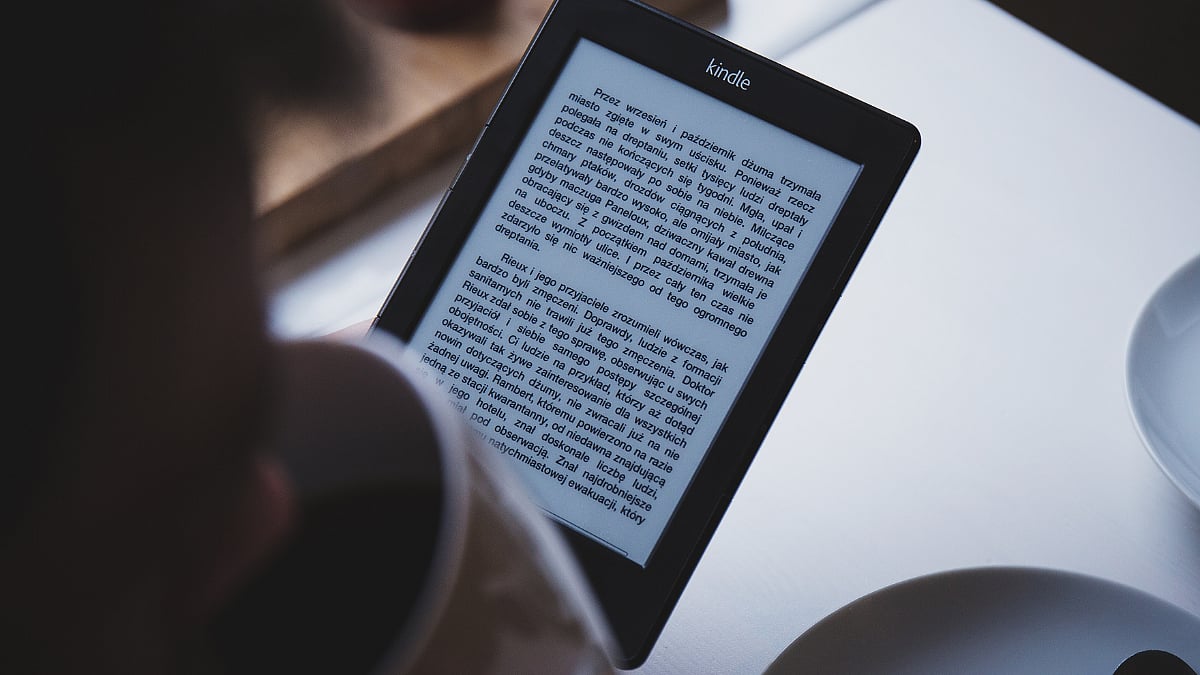
We are perhaps the generation sitting on the cusp of a radical change. There are a bunch of those born in the 50s and 60s who still cling on to printed books. Those in the 90s first encountered the digital world. The ones born in this century are digitally literate, and it is a matter of time before the world of printed books recognises this. Print may never really go away; but the mass appeal of the Beatles’ legendary song ‘Paperback Writer’ is all but over.
(Dr Vivek Mehra is an Open Access advocate, a publisher, and a professor of practice.)

