I arrived at jüSTa Luxe Highpoint Jawai in Bijapur, Rajasthan’s Pali district, expecting, like most visitors, to spend my two-day stay looking for a leopard. Instead, Jawai gave me something more interesting: freedom to look beyond the obvious.
This is not a national park. Jawai is a landscape of privately held and community-used land around a protected conservation reserve, with the Jawai Bandh Leopard Conservation Reserve II officially covering 61.98 sq km. The granite hills, caves and scrub create shelters for leopards, while the Jawai river and its reservoir sustain a wetland ecosystem. Rajasthan’s Forest Department lists the area as a conservation reserve, and that distinction matters: wildlife here exists within a lived-in landscape rather than behind the boundaries of a national park.
The Search For The Spotted Cat
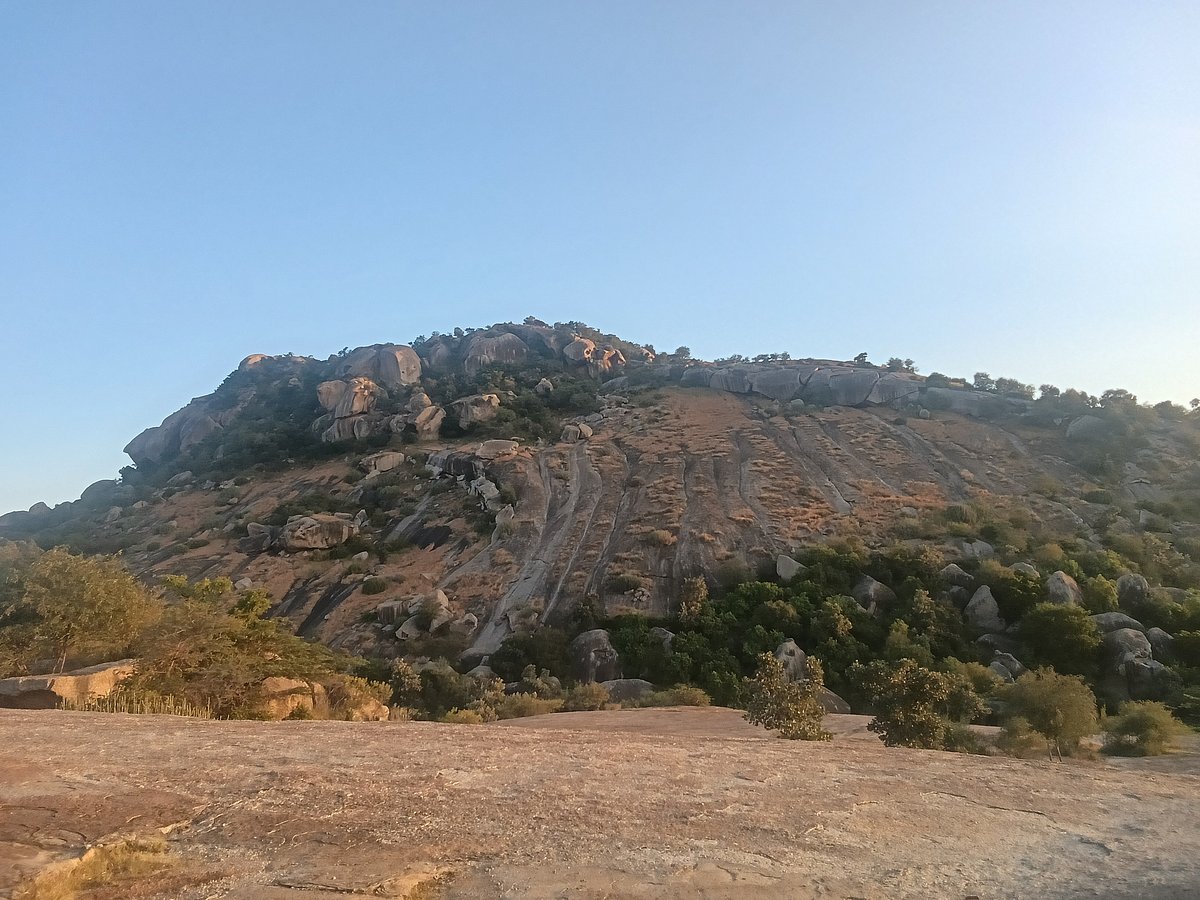
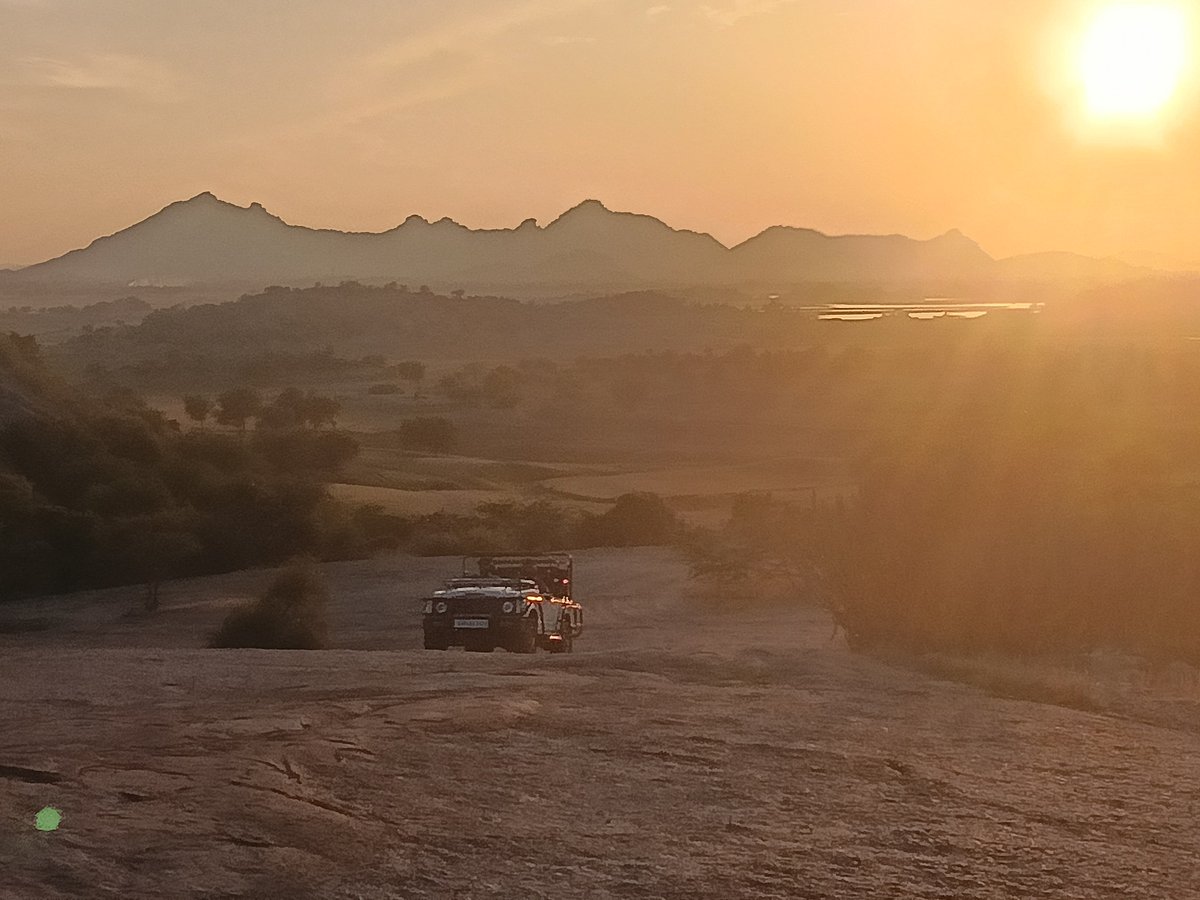
The star, naturally, is the leopard. Jawai’s leopards are famous for using caves and rocky ledges as lairs, appearing relaxed around grazing livestock and villages. We went out twice a day on safari, scanning the hills and caves, following tracks and watching the changing light. No leopard appeared for us. And I wasn’t disappointed.
That is perhaps the first lesson of a safari: nature does not take requests. You cannot guarantee a sighting, and forcing one can make you miss everything else happening around you.
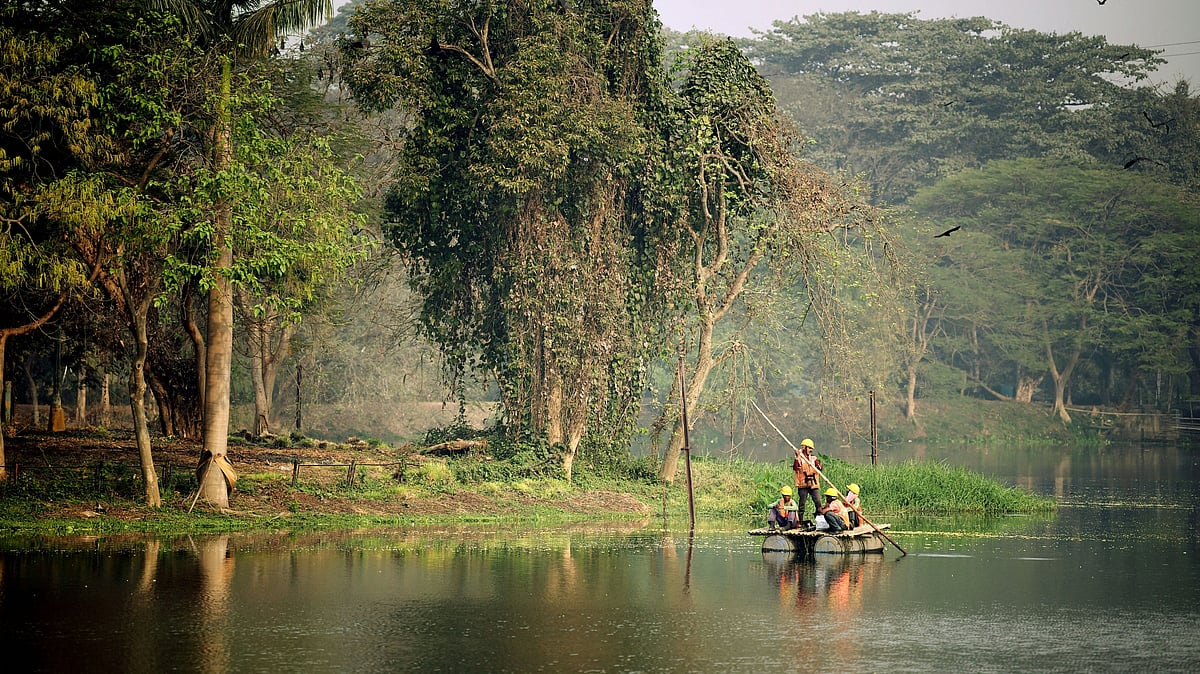
At Jawai Dam, the Jawai Bandh reservoir, we found another side of the landscape. The dam was built across the Jawai river, a tributary of the Luni, built between 1946 and 1957 under Maharaja Umaid Singh of Jodhpur. Its waters are important for people and wildlife. The wetlands attract resident and migratory birds, while mugger crocodiles bask along the banks, indifferent to visitors.
Those crocodiles were a highlight for me. So were the peacocks, birds of prey and smaller creatures that appeared once I stopped looking exclusively for the big cat.
Out of Africa?
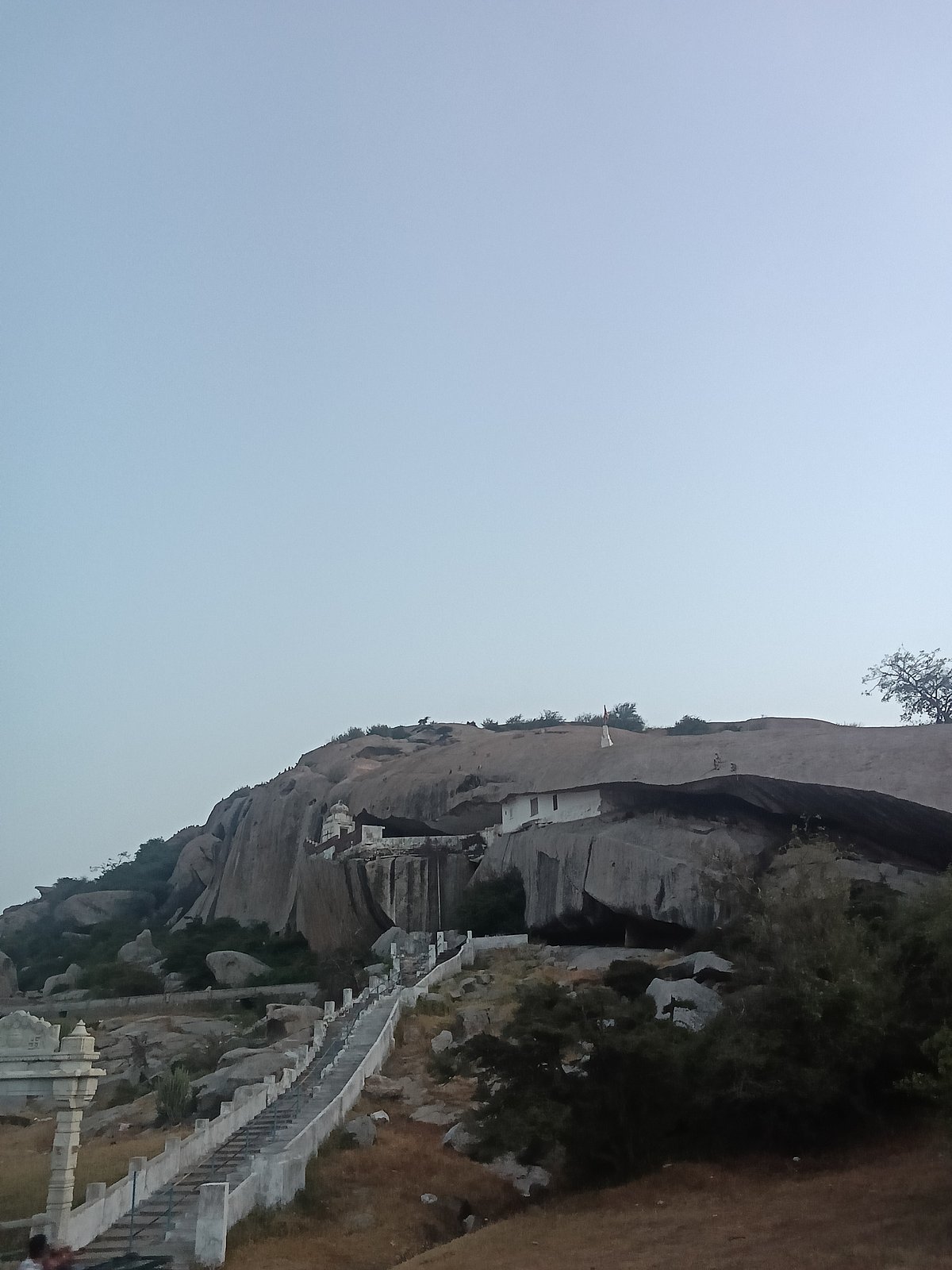
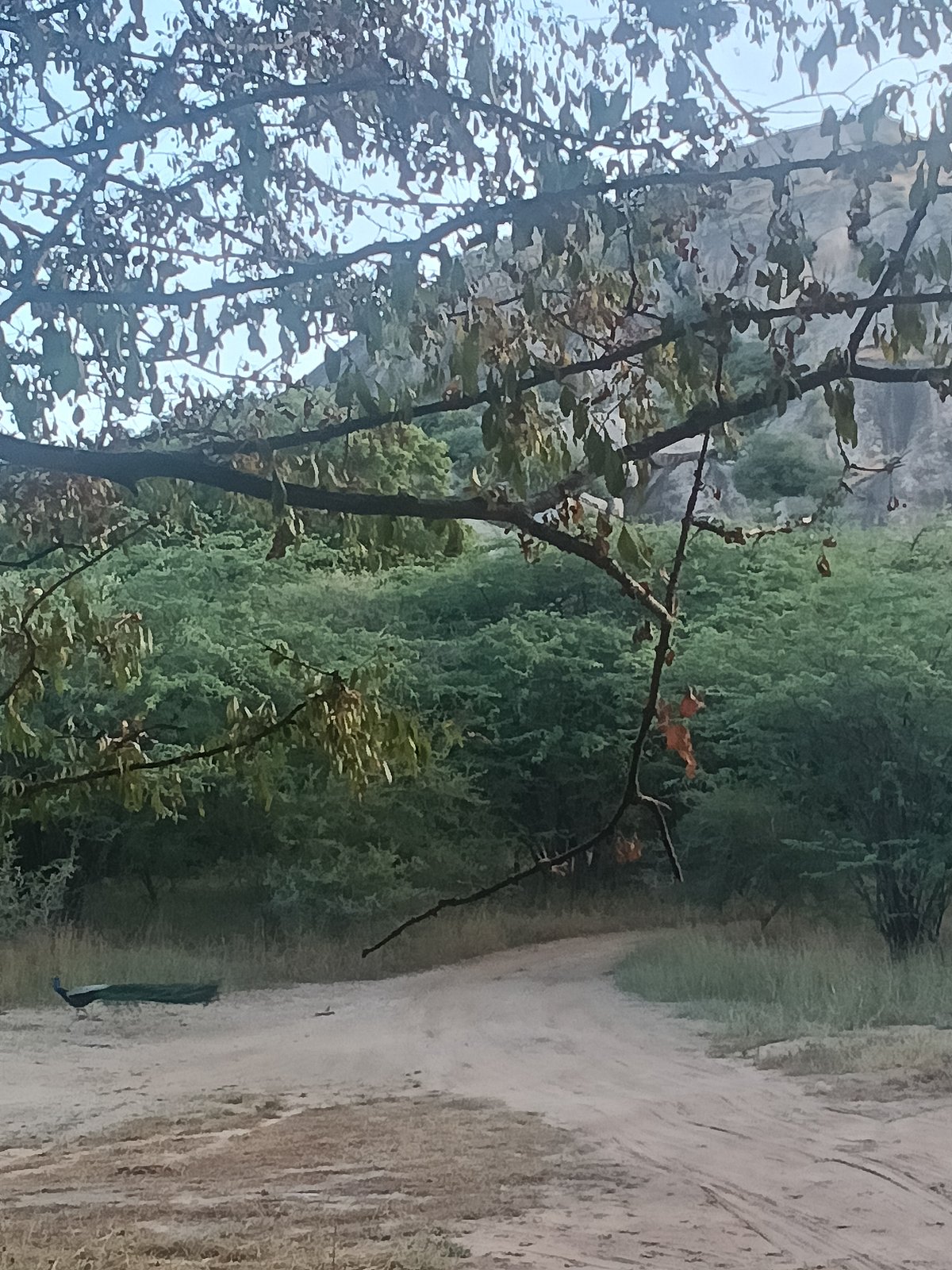
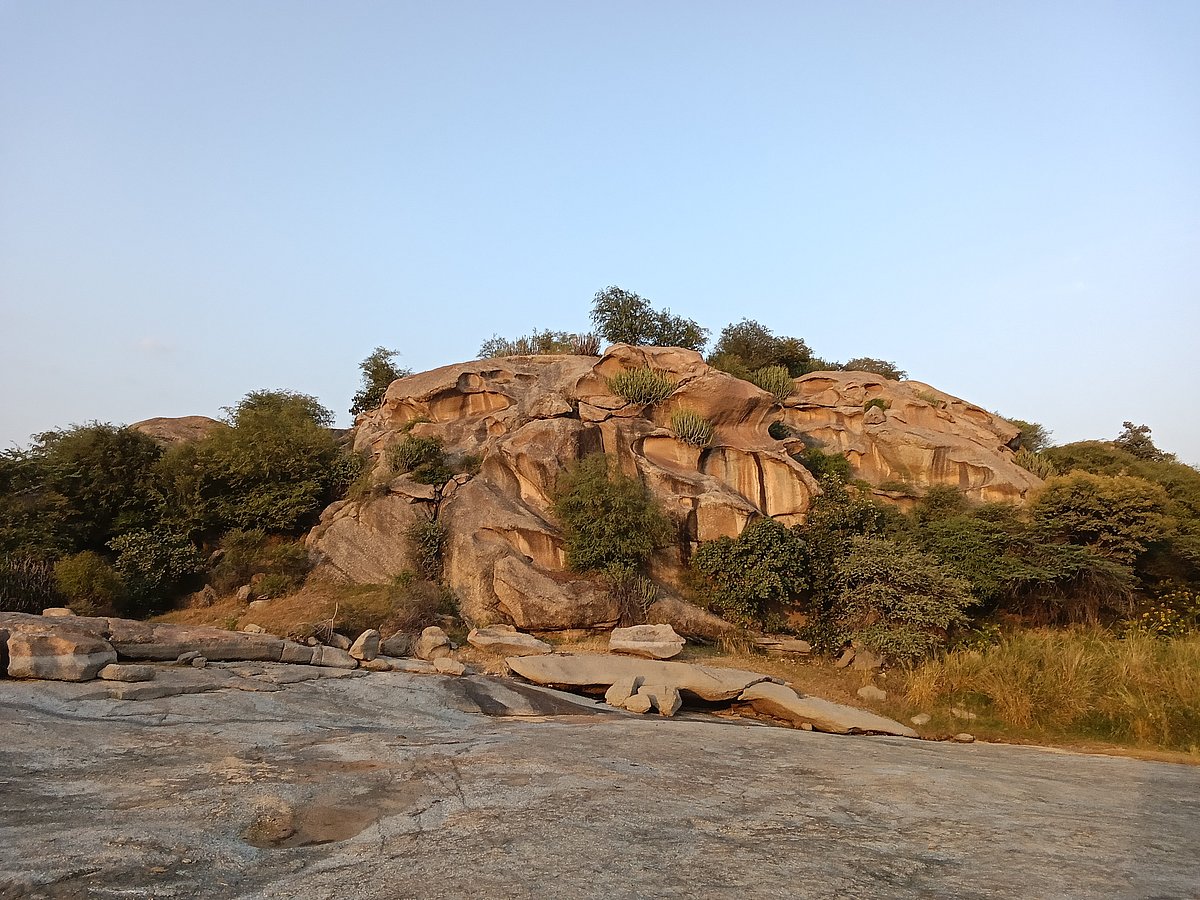
The scenery was reason enough to be out. Huge granite boulders rise from the earth in improbable formations, giving Jawai an almost sculptural quality. At times I found myself thinking of Kenya’s Maasai Mara, because of the trees scattered across it. They look like acacias from a distance, but many are actually Prosopis Juliflora, or vilayati keekar, an invasive species native to Mexico and parts of Central and South America.
There is an extraordinary story attached to them. In the 1930s, Maharaja Umaid Singh, a passionate aviator and founder of the Jodhpur Flying Club, is said to have carried bags of Prosopis seeds aboard his aircraft and scattered them across his kingdom in an attempt to green the arid landscape. What began as a well-intentioned experiment had unintended consequences: the fast-growing species spread aggressively and displaced native vegetation.
Back at jüSTa Luxe Highpoint Jawai, the luxury was decidedly uncomplicated. Spread over two and a half acres, the retreat has just 18 accommodations, including villas and a few tented options, some with heated plunge pools. Open-air showers, private gardens, bathtubs and spacious sit-outs made my accommodation feel wonderfully connected to the landscape without sacrificing comfort.
The hospitality was warm in that distinctly Rajasthani way. I particularly enjoyed a lavish Rajasthani thali, a leisurely procession of regional flavours that suited the setting. And on our final evening, Manganiyar musicians performed beneath the open night sky, their music carrying across the darkness.
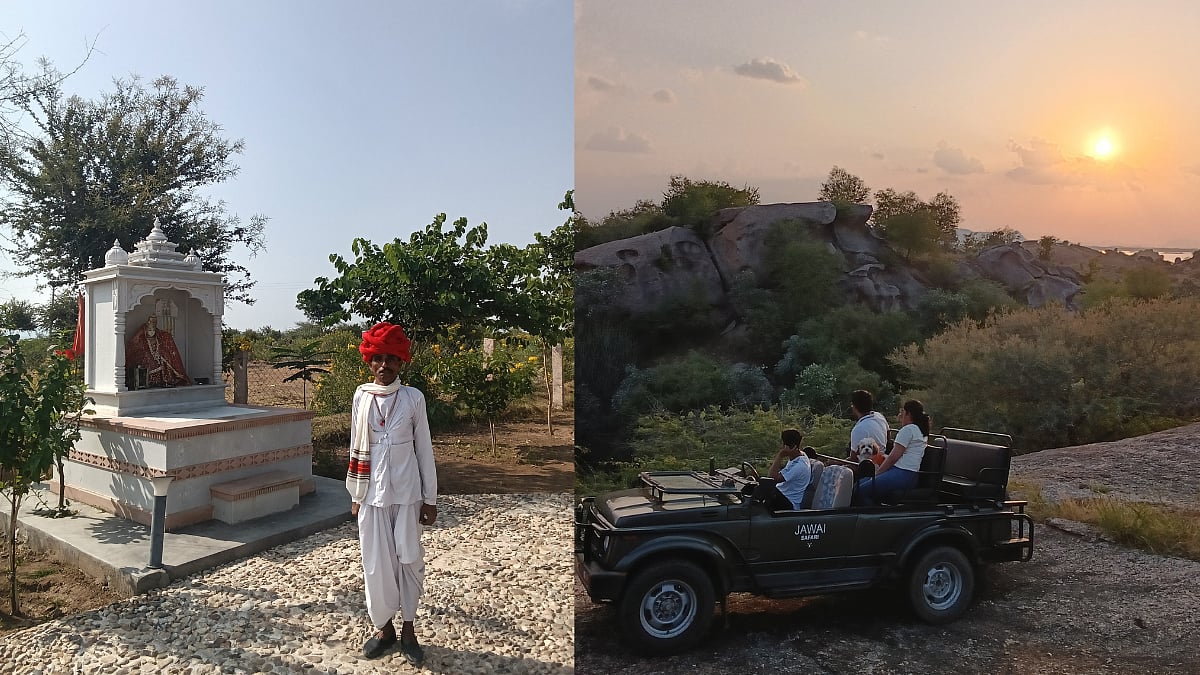
There was culture here, too, in the person of Panna Lalji, one of the resort’s principal greeters. A member of the Rabari pastoral community, he embodies a culture deeply woven into Jawai. Rabari men are traditionally associated with shepherding and are recognisable in their white dhotis and peplum tunics, topped with striking red turbans and intricate brass chest pieces. Panna Lalji’s presence gave the resort a human connection to the land beyond the safari track.
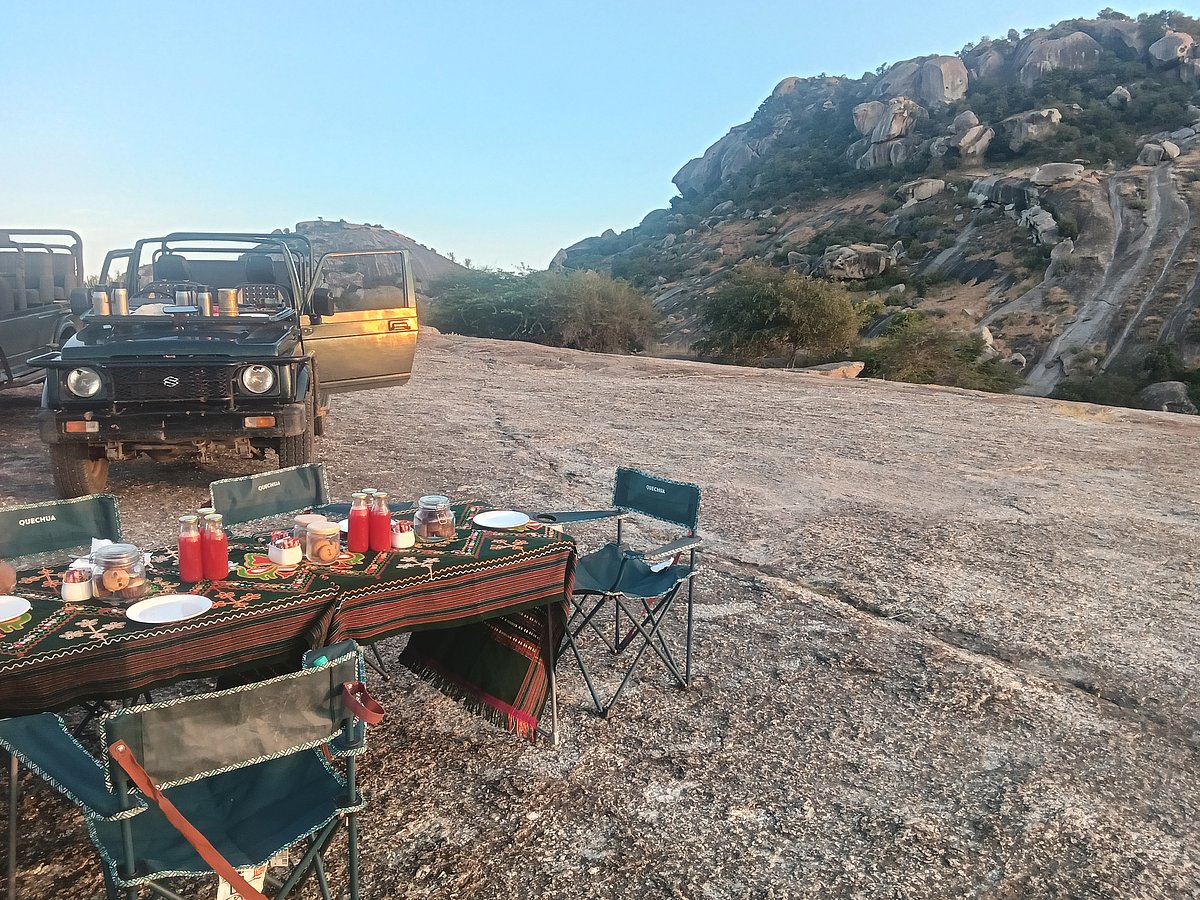
One of my favourite moments came not from a wildlife sighting, but from sitting atop the granite boulders for a picnic as the sun slipped towards the horizon. The rocks turned gold, the sky softened and the hills became silhouettes. Jawai was putting on its own show, and I was happy to watch.
Perhaps that is what I will take away from these two days: a safari need not be measured by whether its most famous animal appeared. Jawai offered me crocodiles, peacocks, birds, granite hills, sunsets and the chance to experience a landscape where wildlife and people share the same space.
Would I return? Absolutely. And perhaps next time, somewhere among those grey boulders, a leopard will decide to make an appearance. But if it doesn’t, I know Jawai will still have plenty to show me.
(The writer is a food and travel columnist and editor)

